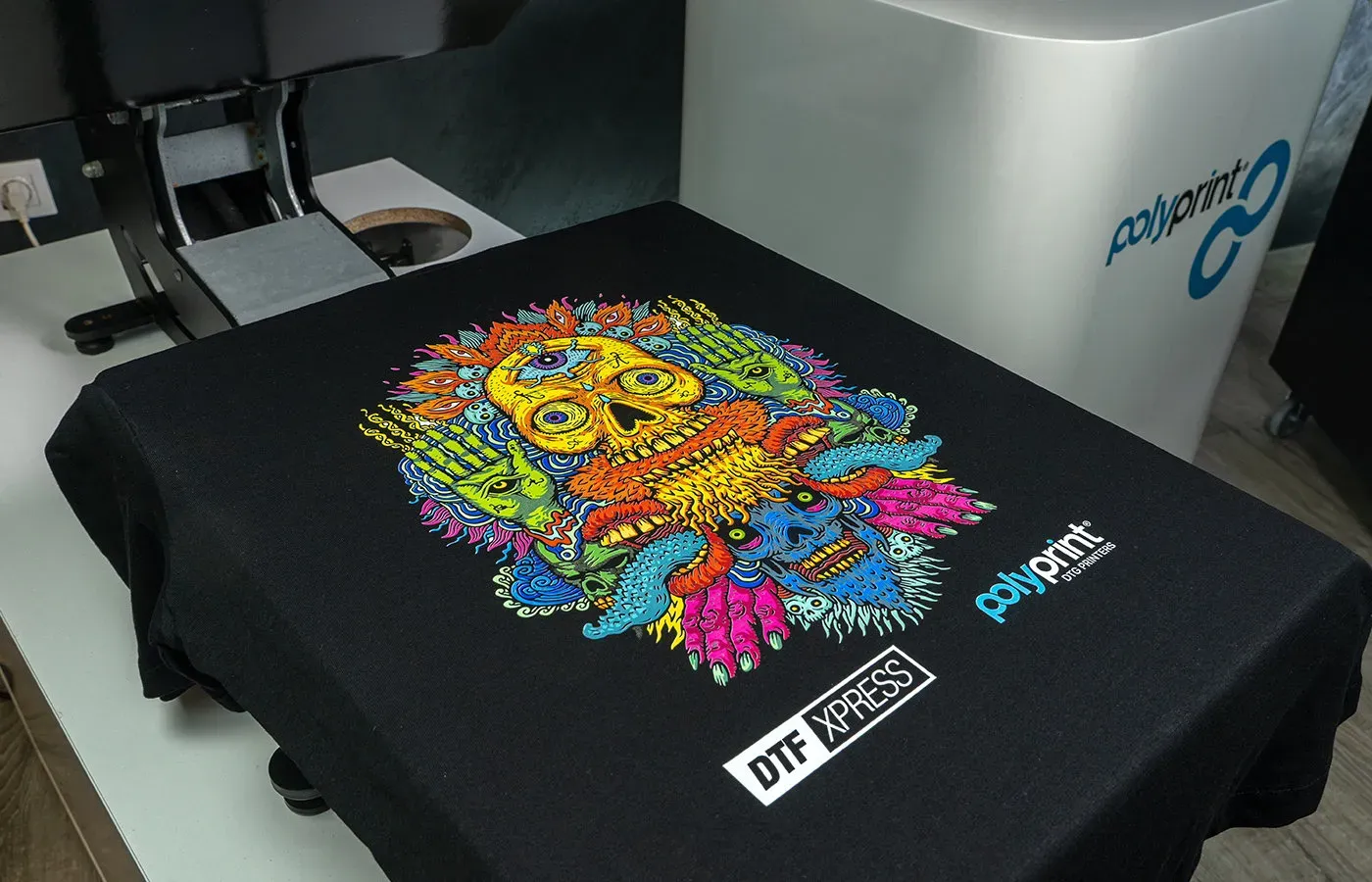
DTF Printing: Unlocking Its Power for Quality Apparel
DTF printing, or Direct to Film printing, is transforming the landscape of textile printing with its cutting-edge technology and versatile applications. This innovative method utilizes specialized transfer film to produce stunning designs that can be applied to a variety of fabrics, making it a go-to solution for businesses in the apparel and promotional merchandise sectors. The benefits of DTF printing are manifold, including high-resolution outputs, durability, and cost-effectiveness when compared to traditional methods like screen printing. Additionally, DTF printing embraces sustainability with eco-friendly inks and processes, catering to the increasing consumer demand for environmentally conscious practices. As we delve deeper into the advantages and applications of DTF printing, it becomes clear why this technique is rapidly gaining traction in the industry.
Known also as Direct to Film or transfer printing, DTF printing stands out for its unique approach to creating high-quality textile designs. This method replaces traditional prints with state-of-the-art technology that transfers intricate graphics onto supportive film before application. The process is gaining popularity due to its versatility across various materials, making it suitable for a wide range of industries. Furthermore, considering the environmental impact, sustainable DTF printing methods have emerged, appealing to a growing market focused on eco-responsibility. Thus, exploring the intricacies of DTF printing reveals its remarkable potential as an efficient and innovative solution.
What is DTF Printing?
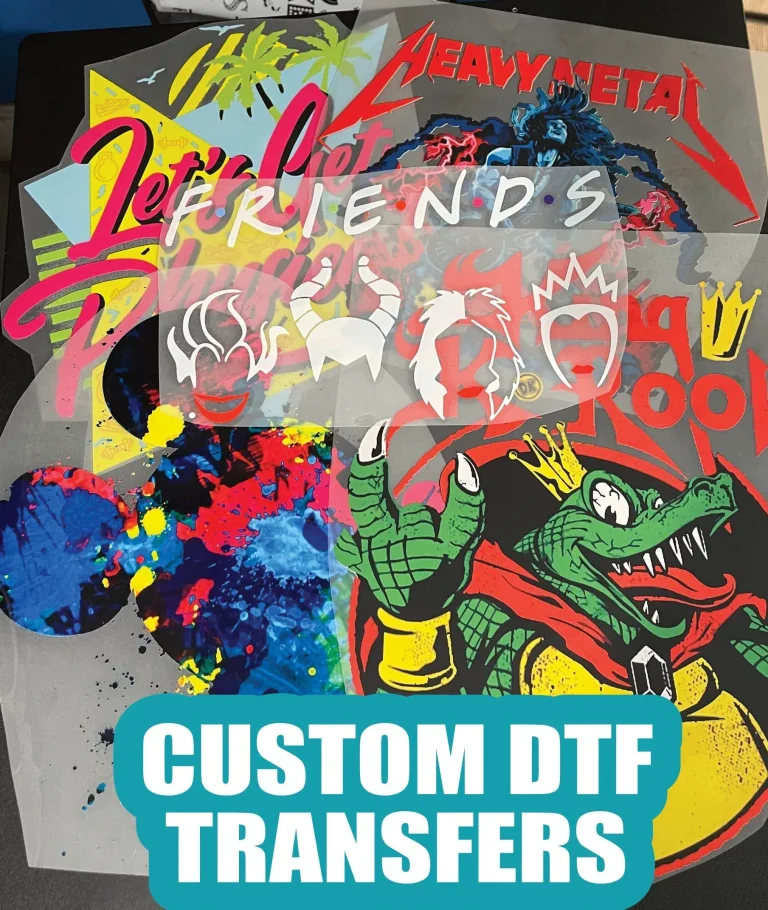
Direct to Film (DTF) printing is an innovative printing technique that involves transferring designs from a special film directly onto various fabrics. This method utilizes a heat press to apply the printed film onto the fabric, creating vibrant and long-lasting designs. Unlike traditional printing methods, DTF printing allows for intricate and detailed designs to be printed with high accuracy, making it an ideal choice for custom apparel and promotional items.
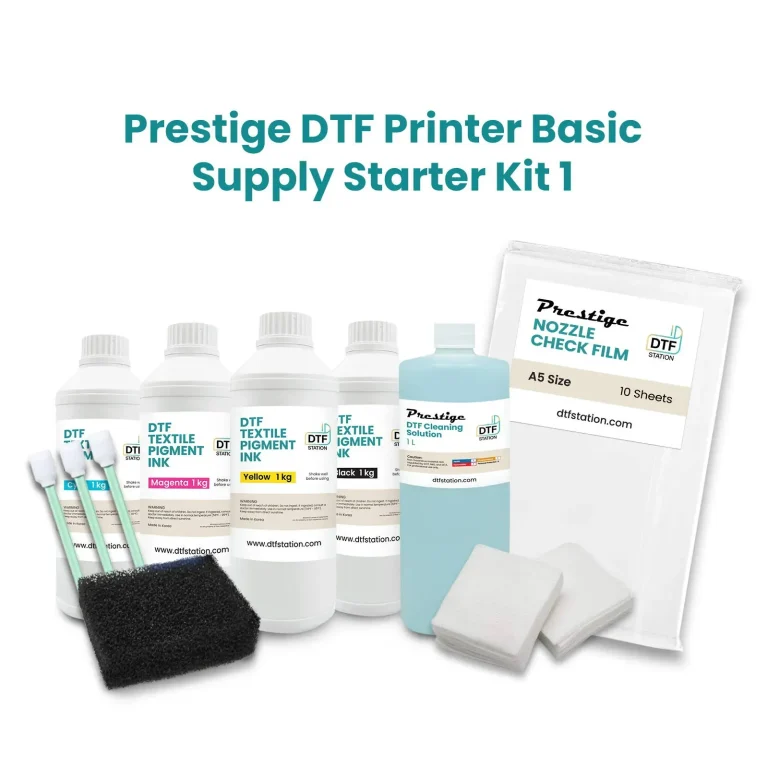
The process begins with the creation of a digital design, which is printed onto a film using specialized DTF printers. These printers use high-quality, often eco-friendly inks, which contribute to the sustainable nature of this technology. Once printed, a powder adhesive is applied to the wet ink, enhancing adhesion to the fabric during the transfer process. This combination of quality materials and advanced technology makes DTF printing a sought-after option for various printing needs.
Frequently Asked Questions
What is DTF printing and how does it work?
DTF printing, or Direct to Film printing, is a printing method that involves transferring designs onto a special film before applying them to fabric. The process includes printing the design onto the film, applying a heat-sensitive powder adhesive, and then using heat and pressure to transfer the design onto various textiles.
What are the benefits of DTF printing compared to other methods?
The benefits of DTF printing include versatility in application across different fabrics, high-quality and durable prints, lower setup costs compared to screen printing, and the use of eco-friendly inks for sustainable printing practices.
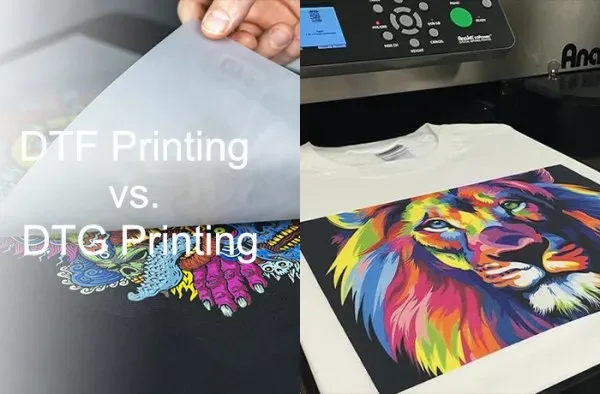
How does DTF printing compare to DTG printing?
DTF printing differs from Direct to Garment (DTG) printing in that DTF can be applied to a wider variety of materials, offering more flexibility. While DTG is ideal for high-detail designs on cotton, DTF can handle multiple fabric types efficiently and economically.
What are some common applications of DTF printing?
DTF printing is used in various applications, including custom apparel, promotional merchandise, home décor items, and craft projects. Its ability to produce vibrant designs makes it ideal for businesses in merchandising and textile customization.
Is sustainable DTF printing a viable option for businesses?
Yes, sustainable DTF printing is a viable option, as many printers utilize eco-friendly inks and processes. This not only helps businesses reduce their environmental impact but also meets the increasing consumer demand for sustainable products.
What innovations are currently shaping the DTF printing market?
Innovations in DTF printing include advancements in printer technology leading to faster print speeds, improved ink formulations for better quality, and the development of more eco-friendly practices. These trends contribute to the growing popularity of DTF as a leading choice in textile printing.
| Key Point | Details |
|---|---|
| Introduction to DTF Printing | Revolutionizes textile printing, allows intricate designs, combines quality with versatility. |
| DTF Printing Process | 1. Design Creation 2. Printing on Film 3. Powder Application 4. Heat & Pressure Transfer 5. Peeling |
| Benefits of DTF Printing | A. Versatility B. Quality & Durability C. Cost-Effectiveness D. Environmental Considerations |
| Key Developments | 1. Market growth 2. Technological advances 3. Sustainability efforts 4. Diverse applications 5. DTF vs. other techniques |
Summary
DTF printing is an innovative and efficient method that represents a significant advancement in the textile printing landscape. By allowing high-quality, vibrant designs to be transferred onto a variety of fabrics, DTF printing meets the increasingly diversified demands of consumers and businesses alike. Its cost-effectiveness, coupled with environmentally friendly practices, positions it favorably within the competitive print market. With a focus on both customization and durability, DTF printing not only satisfies current consumer expectations but also stimulates future growth and relevance in the industry. As more businesses embrace this technology, it may well become a cornerstone in sustainable and versatile printing solutions.