DTF Supplies: A Beginner’s Guide to Everything You Need
DTF Supplies are revolutionizing the world of textile printing, providing creators and small business owners with the tools needed to produce stunning designs effortlessly. Direct-to-Film (DTF) printing is a game-changer, merging quality and versatility in a way that traditional methods struggle to match. From high-quality DTF printers to specialized transfer films, these supplies ensure that every print is nothing short of excellent. If you’re eager to explore the exciting realm of direct-to-film printing, understanding the essential DTF accessories will set you on the right path to success. Dive into our comprehensive guide, where we’ll unravel everything you need to know about DTF supplies, modes of operation, and the latest trends in the industry.
Exploring the world of film-based printing techniques, also known as direct-to-film (DTF) printing, introduces a plethora of options for artists and entrepreneurs looking to make a mark. Utilizing a dedicated DTF printer, along with premium transfer films, can drastically elevate the quality of your fabric prints. This innovative approach not only streamlines the printing process but also allows for a vibrant range of colors and intricate designs. Whether you’re familiar with heat press machines or searching for the best DTF inks, understanding the necessary accessories and setup methods is crucial. Join us as we delve into the essential components that will empower your creative journey with this cutting-edge printing technology.
Understanding DTF Printing Technology
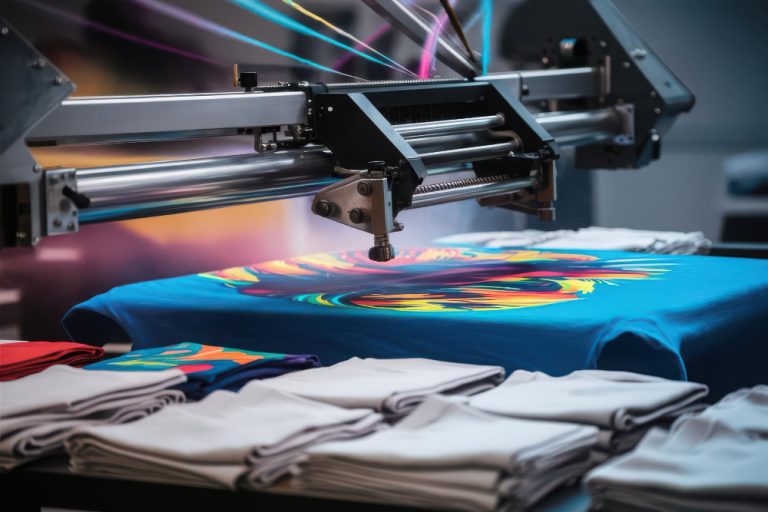
Direct-to-Film (DTF) printing technology has revolutionized the way designs are transferred onto fabrics. Unlike traditional methods that require complex setups, DTF employs a unique process that allows for vibrant, durable prints that can adhere to a variety of materials. By using a specialized DTF printer, inks, and transfer films, users can achieve high-quality results with relative ease. As the popularity of DTF printing grows, more hobbyists and professionals are exploring its potential for creating intricate designs without the limitations often faced in screen printing.
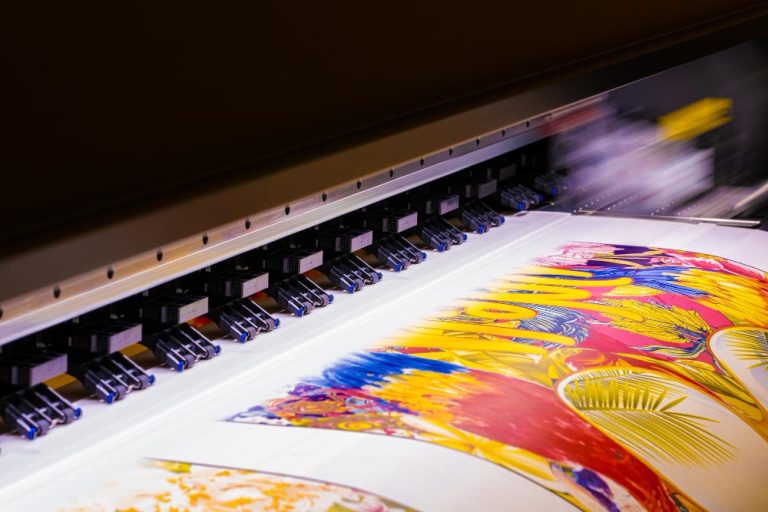
The DTF process starts by printing designs onto a special transfer film using high-quality DTF printers. These printers are designed to handle the nuances of DTF inks, which are typically water-based and environmentally friendly. The beauty of DTF is that it allows for full-color prints, including photographic images, to be applied to textiles, making it an ideal choice for custom apparel and promotional products. As you delve deeper into DTF technology, you’ll discover tips and tricks that can enhance your printing outcomes.
Key Supplies for Successful DTF Printing
When embarking on your DTF printing journey, understanding the key supplies involved is essential. The first and foremost is the DTF printer itself. High-performance printers like those from Epson and Ricoh are popular because of their ability to produce high-resolution prints. Coupled with quality DTF inks, these printers can reproduce rich colors and fine details that customers demand. In addition, the choice of transfer film can greatly impact the final product; high-quality films designed specifically for DTF applications allow for optimal adhesion and print clarity.
Another critical component of DTF printing is adhesive powder, which plays a vital role in ensuring the print adheres properly to the fabric. Using the right type of adhesive powder, typically a hot-melt adhesive, will secure the design during the heat transfer phase. Additionally, investing in a sturdy heat press helps in applying the necessary pressure and temperature to create a lasting bond between the design and fabric. Together, these supplies form the backbone of any successful DTF printing operation.
Best Practices for DTF Printing
To maximize the success of your DTF printing projects, following best practices can make a significant difference. First, always test your prints on scrap fabric before committing to final products. Each material responds differently to heat and adhesive, so testing will allow you to adjust your settings accordingly. Understanding fabric types and their reactions to DTF processes can save you time and resources. Experimenting with different fabrics can lead to exciting discoveries and elegant designs that stand out.
Additionally, investing in high-quality DTF supplies is crucial for producing vibrant and durable prints. While the initial investment might seem high, it pays off in the long run through the longevity of your designs and satisfied customers. Quality DTF printers, inks, and materials contribute to print consistency and aesthetics, ultimately enhancing your brand’s reputation. Incorporate feedback from customers and engage in DTF printing communities to stay updated on evolving practices and materials.
Innovations in DTF Printing
As of 2023, DTF printing technology has seen several innovative advancements that enhance print quality and ease of use. New formulations of DTF inks offer brighter colors and improved adhesion capabilities. Many manufacturers are releasing eco-friendly inks that not only meet the demands for performance but address environmental concerns as well. These innovations provide printers the opportunity to expand their offerings to include sustainable options without sacrificing quality.
Moreover, developments in DTF printer hardware, such as faster printing speeds and improved user interfaces, have made these machines increasingly accessible for beginners. This democratization of technology encourages more individuals to enter the DTF printing space and experiment with their creative ideas. By investing in the latest innovations, printers can optimize their workflow and deliver products that meet today’s competitive market standards.
Recommended DTF Accessories
Beyond the essential supplies, there are several recommended accessories that can enhance your DTF printing experience. For instance, a quality cutter can help you prepare your designs by precisely trimming transfer films and creating intricate shapes. Many printers also benefit from utilizing a color profile adjustment tool, which ensures that the colors you see on-screen match what comes out of the printer. These accessories play a supporting role in refining your printing process and improving overall results.
Additionally, investing in a dedicated workspace equipped with adequate ventilation and storage for your DTF supplies can create a better workflow. Having a designated area not only organizes your materials but also allows for efficient multitasking when preparing and transferring designs. Whether you’re a hobbyist or running a small business, these accessories and workspace optimizations significantly enhance your DTF printing efficiency and creativity.
Frequently Asked Questions
What are the essential DTF supplies needed for printing?
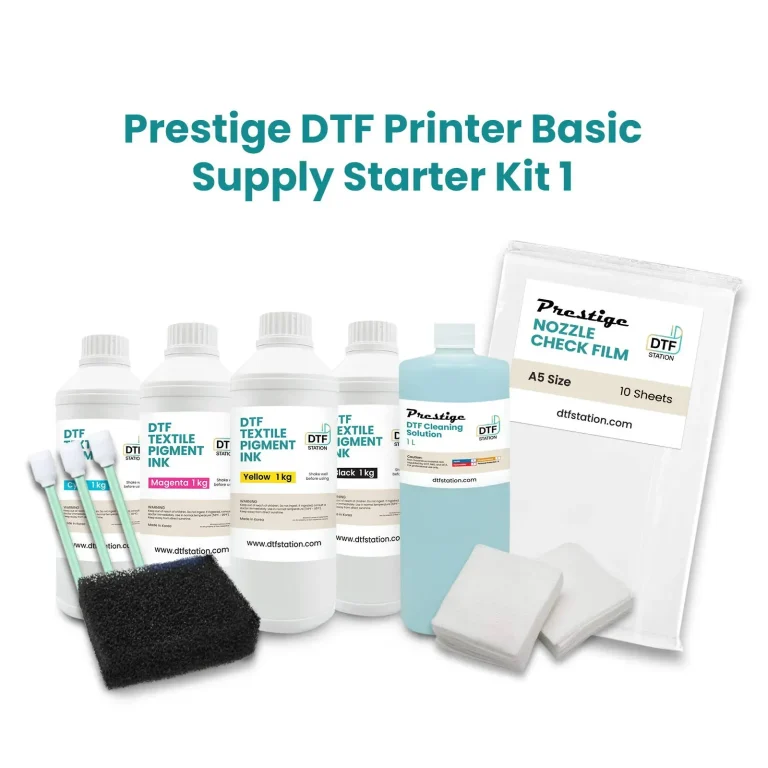
To successfully execute DTF printing, you will need several essential supplies: a specialized DTF printer, DTF transfer film, water-based resin inks, hot-melt adhesive powder, a heat press machine, and design software like Adobe Photoshop or CorelDRAW.
How do DTF printers differ from traditional printers?
DTF printers are specifically designed for direct-to-film printing, utilizing unique technologies to handle DTF transfer film and inks. Unlike traditional printers, DTF printers can achieve vibrant colors and detailed prints, ensuring successful transfers onto various fabrics.
What is the role of DTF transfer film in the printing process?
DTF transfer film plays a crucial role in the DTF printing process by providing a clear and printable surface that allows inks to adhere and transfer effectively. Using high-quality DTF transfer film ensures the clarity and durability of your prints on fabrics.
Can I use any ink with DTF supplies?
No, it is essential to use inks specifically formulated for DTF printing. Water-based resin inks are ideal for DTF supplies, as they provide vibrant colors and excellent durability when used on fabrics, ensuring optimal print quality.
What type of heat press machine is best for DTF printing?
For DTF printing, a clamshell or swing-away heat press machine is recommended. These machines allow for precise heat and pressure application, which is vital for achieving a permanent bond between the printed design and the fabric.
What are some common mistakes to avoid when using DTF supplies?
Common mistakes include mismatching DTF printer settings, using incompatible inks or transfer films, and improper curing of adhesive powder. To ensure success, always test your designs on scrap materials and follow best practices for each step of the DTF printing process.
| Key DTF Supply | Description |
|---|---|
| DTF Printer | A specialized printer like Epson or Ricoh that delivers high-quality prints. |
| Transfer Film | High-quality film that ensures effective color transfer onto fabrics. |
| DTF Inks | Water-based resin inks known for their vibrant colors and durability. |
| Adhesive Powder | Hot-melt powder that secures the printed design to the fabric. |
| Heat Press Machine | A clamshell or swing-away press used to apply heat and pressure for transfers. |
| Software | Programs like Adobe Photoshop or CorelDRAW for design and print preparation. |
Summary
DTF Supplies are crucial for anyone looking to delve into the exciting world of Direct-to-Film printing. Understanding the essential supplies such as a specialized DTF printer, high-quality transfer film, vibrant DTF inks, effective adhesive powder, reliable heat press machines, and proficient design software is the key to achieving stunning results. By investing in quality materials and staying informed about the latest developments in the DTF printing landscape, you can enhance your printing skills and ensure long-lasting designs. Engaging with the DTF printing community will also provide valuable insights that can help streamline your process and expand your creative potential.