DTF Supplies: Materials that Make the Difference in Printing
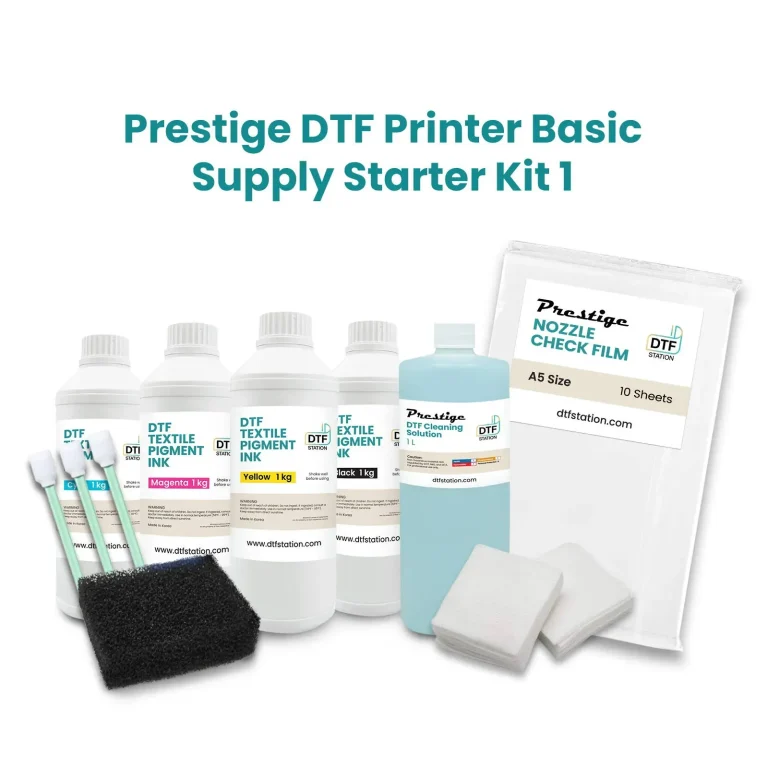
DTF supplies are the quiet backbone of successful DTF printing, powering vibrant results across fabrics. Understanding the core components—transfer film, DTF ink, and powder adhesive—helps you choose materials that deliver consistent color, strong adhesion, and enduring performance across a range of fabrics. This combination influences adhesion, wash durability, and cost efficiency, especially when considering DTF vs sublimation as alternative techniques for cotton, blends, and synthetics. Access to a reliable set of materials supports sharper details, smoother gradients, reduced halos, and a softer hand feel across multiple garment types. For beginners and pros alike, selecting the right trio of film, ink, and adhesive unlocks higher quality prints, faster production times, and greater customer satisfaction across product lines.
Alternative terms for these materials include film-based transfer systems, ink-on-film workflows, and powder-bonding processes used in garment decoration. When evaluating a film carrier, compatible pigment inks designed for transfer, and a fine powder adhesive, you’re addressing the core of a transfer-based approach. This broader vocabulary helps teams discuss printer compatibility, heat-press timing, fabric compatibility, and color management without getting tied to a single brand. If you’re weighing DTF printing against other methods, consider how the transfer film, printing ink, and adhesive powder influence color accuracy, texture, and wash durability across cotton, blends, and synthetics.
DTF supplies: Core Materials That Elevate Color, Durability, and Cost
DTF supplies revolve around a tightly coordinated trio—the transfer film, DTF ink, and powder adhesive—that together determine color fidelity, edge definition, and wash durability. When these components work in harmony, artwork remains vibrant through countless washes, gradients stay smooth, and fine details stay intact on cotton, blends, and poly blends alike. The quality of the transfer film influences how faithfully the image transfers from the powder stage to fabric, while the DTF ink provides the color depth and gamut needed for rich, multi-color designs.
In practice, selecting a compatible powder adhesive and tuning the curing process are just as critical as picking the film and ink. A well-matched adhesive minimizes puffiness and ensures even bonding during heat application, reducing issues like edge lift or cracking after washing. Investing in reliable heat-press calibration and consistent curing temperatures helps maximize the durability of the entire DTF print, delivering cost-per-garment efficiency over time and better overall value for your operations.
DTF Printing vs Sublimation and HTV: How Material Choices Impact Quality
DTF printing offers a flexible alternative to sublimation, HTV, and screen printing by using a printed film and powder adhesive that can yield strong results on a wide range of fabrics. Sublimation, for example, performs best on polyester substrates and polymer-coated papers, delivering vivid colors but often with limited applicability on cotton or cotton blends. The key to leveraging DTF’s versatility is selecting materials—transfer film, DTF ink, and powder adhesive—that are engineered for multi-fabric performance, so you don’t sacrifice image quality when switching between cotton, blends, and poly fabrics.
Compared with HTV and traditional screen printing, the DTF material stack adds different considerations: film durability, ink color management, and how the powder adheres to and releases from the garment. HTV can produce bold, graphic results but may feel heavier on the garment and risk cracking with repeated washing if not applied correctly. Screen printing excels at large runs but involves separate emulsions and screens. In contrast, the right DTF supplies—especially a stable film, color-accurate DTF ink, and a well-muited powder adhesive—enable higher-quality multi-color prints on diverse fabrics with simpler post-processing.
Frequently Asked Questions
What are the essential DTF supplies for reliable DTF printing, and how do transfer film, DTF ink, and powder adhesive work together?
DTF printing relies on three core supplies: transfer film, DTF ink, and powder adhesive. The transfer film carries the printed image and its stability affects detail and edge crispness. DTF ink provides color depth and wash-fast pigments, while the powder adhesive enables transfer to fabric and final bonding during heat pressing. Together with proper curing settings, this trio delivers consistent color, good adhesion, and durable results across cotton and poly blends. For best results, test paper runs, confirm compatibility with your printer and heat press, and monitor wash durability to optimize your DTF supplies.
In the DTF supplies vs sublimation comparison, how do transfer film, DTF ink, and powder adhesive influence durability and color accuracy across fabrics?
DTF supplies offer broader fabric compatibility than sublimation, which works best on polyester substrates. DTF uses transfer film, DTF ink, and powder adhesive that bond to a wide range of fabrics, including cotton blends. The transfer film governs detail retention, ink color range, and transfer consistency, while the powder adhesive and heat-curing process determine wash durability and edge adhesion. Compared with sublimation, DTF can deliver more versatile color performance on cottons and blends, though optimizing the same three core supplies is key to achieving durable, color-accurate results.
| Aspect | |
|---|---|
| Core DTF supplies | Key components are transfer film, DTF ink, powder adhesive, and the curing/heat-press process. A high-quality transfer film minimizes distortion and preserves detail; DTF ink affects color depth and wash durability; powder adhesive impacts adhesion and edge integrity; proper curing and heat-press settings ensure a strong bond. |
| DTF vs Sublimation | DTF excels on cotton and blends with versatile material compatibility, while sublimation favors polyester substrates and coatings. The materials differ (inks, films, heat processes), influencing color gamut and garment compatibility. |
| DTF vs HTV | HTV uses cut vinyl and adhesives; it can be heavier and risk cracking after washing. DTF relies on a printed film and powder, enabling full-color designs with a different workflow and feel. |
| DTF vs Screen Printing | Screen printing is cost-effective for large runs and simple colors but requires screens and emulsions. DTF shines in short runs and rapid design changes with a focus on film, ink, and powder workflow. |
| Quality factors | Print fidelity and color accuracy hinge on film and ink quality; adhesion and durability depend on the powder and curing; fabric compatibility and cost-per-shirt depend on material choices. |
| Practical guidance | Choose a reliable trio (film, ink, adhesive), verify printer/heat-press compatibility, conduct wash durability tests, manage color with profiles, and consider safety and sustainability. |
| Supplier evaluation | Focus on quality control, responsive technical support, transparent pricing, and access to data sheets, sample sheets, and recommended heat settings. |
| Real-world scenarios | Small boutiques with cotton tees benefit from durable DTF inks and cotton-friendly powders; POD on poly blends requires broader color gamut and faster curing; sustainability-focused studios prioritize low-odor, low-VOC options and recyclable materials. |
Summary
HTML table above summarizes the key points about DTF supplies, including core materials, comparisons with sublimation, HTV, and screen printing, quality factors, practical guidance, supplier evaluation, and real-world usage scenarios.