DTF Supplies: The Ultimate Guide to DTF Printing Essentials
DTF Supplies are essential for anyone looking to excel in the world of Direct to Film (DTF) printing, a transformative technology that’s reshaping custom fabric designs. This innovative printing method utilizes high-quality DTF printing materials, including specialized transfer paper and eco-friendly DTF ink for fabric, to deliver vibrant and detailed prints. As you embark on your DTF printing journey, understanding the DTF heat press instructions and the complete DTF printing process will be crucial for achieving optimal results. Whether you’re a seasoned professional or a beginner, the right DTF supplies can significantly elevate your printing capabilities. This guide will explore the essential tools and techniques needed for successful DTF printing, ensuring you are well-equipped to create stunning fabric designs.
Exploring DTF printing supplies is akin to discovering a toolkit designed for the modern fabric artist. Known for its efficiency and versatility, DTF printing—often called Direct to Film technology—incorporates materials such as unique transfer films and specially formulated inks that bond seamlessly with various textiles. Whether you’re new to this creative endeavor or looking to refine your existing skills, understanding the intricacies of DTF processes, including accurate heat press techniques and adhesive applications, is vital. The ability to produce high-quality prints quickly makes this method a game-changer in the industry, appealing to businesses and individual creators alike. Delving into the diverse array of DTF resources available can unlock new avenues for artistic expression and commercial success.
Understanding DTF Printing Materials
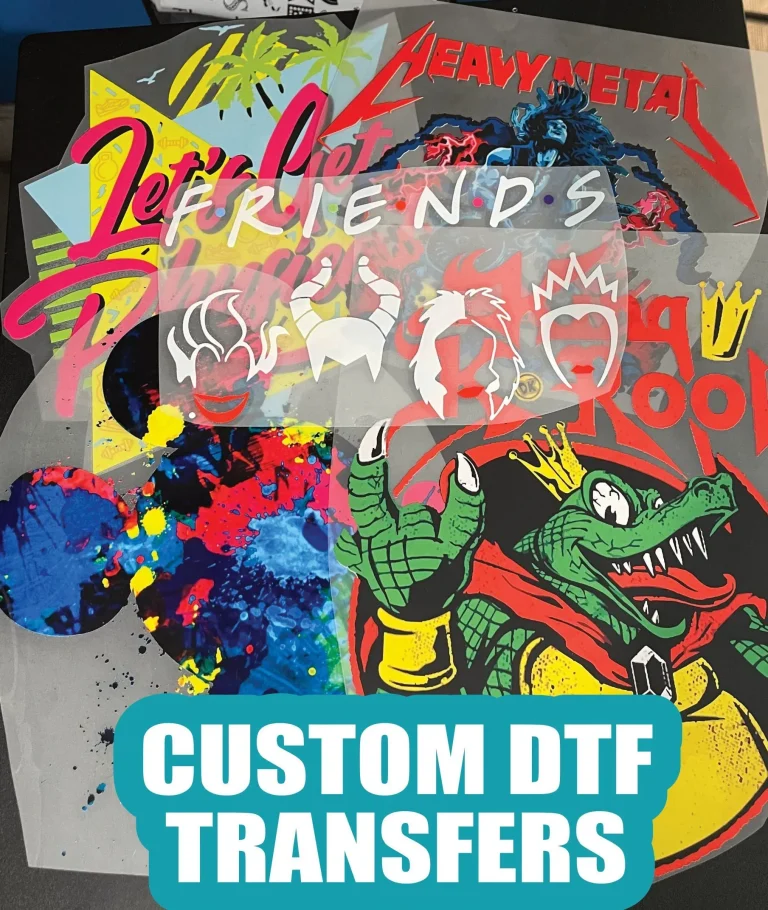
DTF printing materials play a critical role in achieving high-quality prints. The foundation of this process begins with specialized transfer films that are designed to hold DTF inks during the printing phase. These films are coated to ensure that the inks bind effectively, resulting in vibrant and long-lasting images on fabric. A premium transfer film not only improves image clarity but also enhances the overall outcome of the DTF printing process, ensuring that the designs remain intact even after multiple washes.
In addition to transfer films, the choice of DTF ink for fabric is paramount. These inks are specifically formulated to bond well with textiles, offering excellent wash durability and color vibrancy. The water-based formulation of DTF inks minimizes environmental impact while providing the versatility required for printing on various materials, including cotton, polyester, and their blends. Utilizing high-quality inks is essential to ensure that the colors remain striking and the prints do not fade, which ultimately benefits both the business and the customer.
The Essential Role of DTF Transfer Paper
DTF transfer paper is a crucial element in the DTF printing process, serving as the medium through which designs are transferred from the printer to the fabric. The selection of the right transfer paper is vital as it directly affects the print quality and the ease of application. Typically, high-quality transfer papers will have a special coating that enables proper ink absorption, thus ensuring sharp and vibrant prints. Investing in the best DTF transfer paper can significantly enhance the final output, making designs more appealing to customers.
Moreover, DTF transfer paper must be compatible with the specific DTF inks being used, as this compatibility ensures a seamless transfer process. When paired with adequate heat press settings, the transfer paper allows for precise application of designs onto textiles. Proper heat and pressure are crucial, as they determine how well the adhesive powder bonds the inks to the fabric after the transfer paper is removed. Therefore, understanding the relationship between DTF transfer paper and the entire printing methodology is important for achieving professional results.
Mastering DTF Heat Press Instructions
Understanding the DTF heat press instructions is essential for anyone looking to maximize the results of their printing efforts. The heat press not only applies the heat required for the transfer of designs but also ensures that the correct pressure is maintained throughout the process. It is vital to adjust the heat settings according to the fabric type being used. For instance, cotton fabrics may require different temperature settings than polyester blends, influencing both the quality of the print and the integrity of the fabric.
Moreover, proper heat press technique is a vital skill to develop for effective DTF printing. Begin by preheating the fabric to remove any moisture that could interfere with the transfer process. When placing the transfer film with printed designs on the fabric, it’s important to use adequate pressure to guarantee that the ink adheres effectively to the material. Following detailed heat press instructions will help ensure that all prints are durable and long-lasting, making them perfect for both casual and commercial applications.
Choosing the Right DTF Inks for Your Projects
Selecting the right DTF ink for fabric is a vital component of the DTF printing process. DTF inks come in various formulations, including eco-solvent and water-based options, with a focus on bonding well to different fabric types. The use of eco-friendly inks has gained popularity among businesses that prioritize sustainability. When selecting DTF inks, consider factors such as the type of textile you will be printing on and the intended use of the final product to ensure optimal results.
Additionally, expertise in the printing process can help you choose inks that provide the best adherence and durability. Testing various ink brand formulations on scrap fabrics can offer insights into how well they work with specific transfer films and heat press settings. High-quality inks will not only enhance print clarity but will also ensure longevity, making your designs resistant to fading even after repeated washes, which is crucial for customer satisfaction.
Applications and Advantages of DTF Printing
The applications of DTF printing are vast and varied, providing opportunities for both small businesses and larger manufacturers to tap into a growing market. DTF printing is incredibly versatile, allowing for prints on fabrics, ceramics, plastic, and even wood. This adaptability makes DTF an excellent choice for customizing products ranging from apparel to promotional materials, fostering creativity across different mediums. Companies that embrace DTF technology can broaden their product offerings and cater to diverse customer needs.
Moreover, the advantages of DTF printing extend beyond mere versatility. This process is generally more cost-effective than traditional methods like screen printing, especially for smaller runs or customized projects. As businesses seek to innovate and offer unique products, DTF printing presents an attractive option that balances affordability with quality. Additionally, the relatively simple setup and the wide availability of DTF supplies make it easier for new entrepreneurs to enter the competitive landscape of custom printing.
Exploring the DTF Printing Process: A Step-by-Step Guide
Understanding the DTF printing process by following a step-by-step guide will empower users to achieve successful prints consistently. The journey begins with design preparation, which involves creating or importing a design into compatible software. This stage is crucial as it allows for fine-tuning the design to optimize color profiles and dimensions specific to the project. In the next step, loading the transfer film into the printer and using DTF inks brings the design to life. Ensuring that printer settings are aligned with DTF requirements is vital for excellent results.
Once the design is printed onto the transfer film, the adhesive powder application comes into play. It’s essential to sprinkle the adhesive powder while the ink is wet, which facilitates binding as the design is cured. Curing consists of melting the adhesive powder through heat, allowing for a robust bond between ink and film. Finally, properly heat pressing the transfer film onto the fabric is the last step, combining heat and pressure to ensure that the print adheres firmly to the material. Mastering this process will lead to high-quality outcomes every time.
Frequently Asked Questions
What are the essential DTF supplies needed for DTF printing?
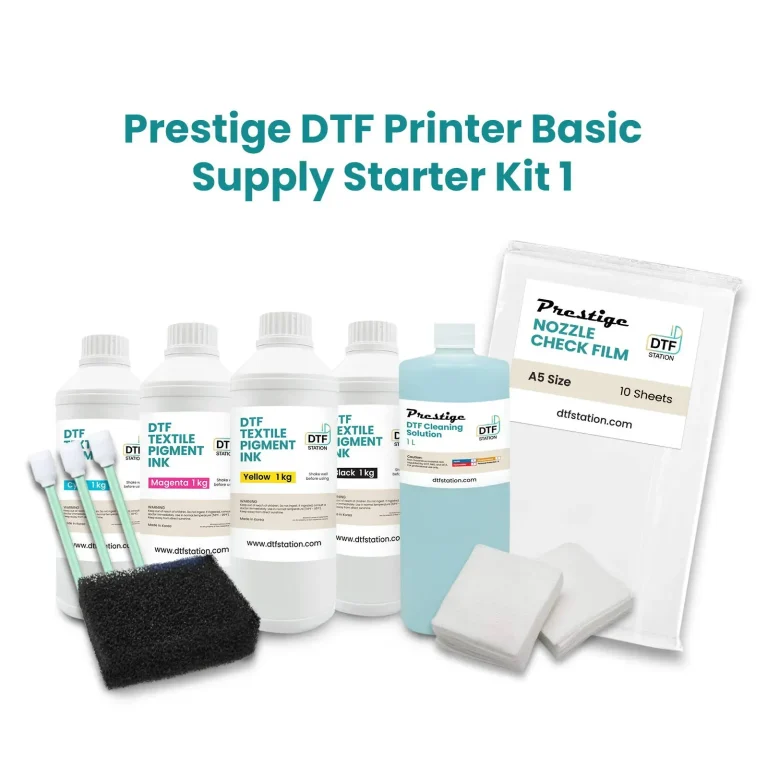
To successfully perform DTF (Direct to Film) printing, you need several key supplies, including DTF transfer paper, DTF inks suitable for fabric, adhesive powder, a heat press for transferring images, and a compatible printer that can handle the unique DTF printing process.
How do I choose the right DTF ink for fabric?
When selecting DTF ink for fabric printing, look for eco-friendly, water-based inks that bond well with your chosen transfer film and fabric types. Ensure the ink you select is designed for DTF printing to achieve vibrancy, durability, and washability in your final prints.
What are the basic DTF heat press instructions?
To use a heat press for DTF printing, set the machine to the appropriate temperature and pressure based on your fabric type (usually between 320-340°F). Pre-heat the fabric, position the printed transfer film on it, and press for the time recommended for your specific transfer paper to ensure a successful transfer.
Can I use regular transfer paper for DTF printing?
No, regular transfer paper is not suitable for DTF printing. Instead, you must use specialized DTF transfer paper, which is coated to work effectively with DTF inks and allows for proper image transfer and adherence to fabrics.
What is the DTF printing process like?
The DTF printing process involves preparing your design, printing it onto DTF transfer paper using DTF inks, applying adhesive powder while the ink is wet, curing the design with heat, and finally using a heat press to transfer the image onto your fabric for high-quality results.
What advantages do DTF supplies offer over other printing methods?
DTF supplies provide numerous advantages, including lower setup costs compared to traditional methods like screen printing, the ability to print on various materials beyond textiles, and high-quality results with vibrant colors that withstand washing, making DTF a versatile choice for custom artwork.
| Key DTF Supplies | Description | |
|---|---|---|
| Transfer Films | Core component to capture ink effectively and ensure image clarity. | |
| DTF Inks | Eco-friendly, water-based inks designed for vibrancy and washing durability. | |
| Adhesive Powder | Binds ink to fabric during heat transfer; ensures print longevity. | |
| Heat Press | Applies necessary heat and pressure for successful transfers. | |
| Printers | Modified inkjet printers that handle DTF inks and films efficiently. | |
Summary
DTF Supplies play a crucial role in the landscape of modern printing techniques, particularly for custom fabric applications. With the ability to produce high-quality, vibrant prints on a variety of materials, DTF printing has emerged as a favored choice among businesses and artisans alike. This guide highlights the importance of essential DTF supplies such as transfer films, DTF inks, and heat presses, each contributing to the efficiency and effectiveness of the DTF printing process. As this technology evolves, keeping informed on the latest advancements in DTF Supplies will not only enhance printing capabilities but also allow for innovative and creative design opportunities.