DTF Technology: Revolutionizing the Textile Industry Today
In recent years, DTF technology, or Direct-to-Film technology, has emerged as a transformative force in the textile industry, reshaping traditional garment printing and custom apparel creation. This innovative method stands out from conventional practices by delivering high-quality prints that satisfy the diverse needs of modern consumers, especially in an era where personalization reigns supreme. Not only does DTF streamline the production process, but it also integrates seamlessly with sustainable printing methods that minimize environmental impact. As the DTF market growth accelerates, driven by demand from e-commerce and custom fashion sectors, it’s clear that this method is redefining industry standards. Dive into this article to learn more about the advantages of DTF over traditional printing methods and its future in the textile landscape.
Known as Direct-to-Film printing, this technique has rapidly become crucial in custom garment production. It allows for intricate designs and vibrant color palettes, which traditional methods often struggle to achieve. The textile sector is witnessing a wave of innovations, with this technology paving the way for sustainable practices that align with modern consumer values. As more businesses recognize the flexibility and potential of advanced textile printing solutions, the landscape of custom apparel is evolving. This comprehensive overview will delve into the remarkable benefits of DTF technology and its role in the future of innovative apparel.
Understanding DTF Technology: A New Printing Paradigm
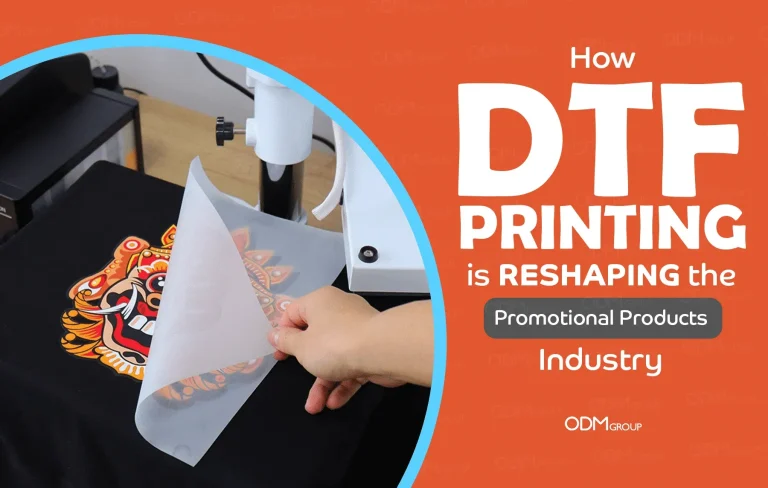
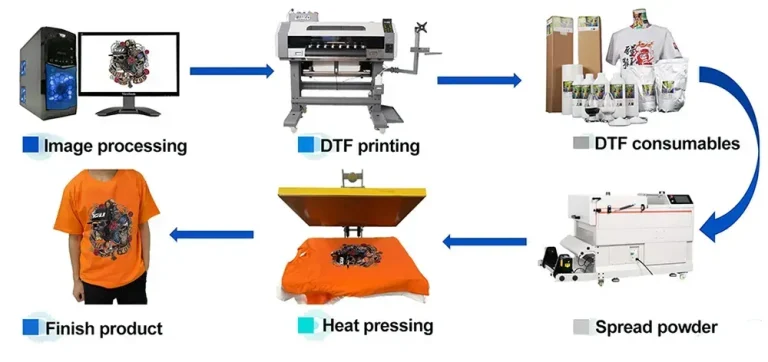
Direct-to-Film (DTF) technology has redefined the landscape of garment printing, providing an innovative pathway for designers and manufacturers alike. At its core, DTF printing involves the transfer of designs from a coated film onto various fabric substrates. This method utilizes precise heat and pressure, ensuring that the vivid colors and intricate details of any design are perfectly replicated onto the garment. The expansive compatibility of DTF technology extends beyond cotton to include polyester and blends, making it a versatile solution for the diverse palette of fabrics in the textile industry.
Embracing DTF technology not only streamlines the printing process but also aligns with the rising demand for customization among consumers. As shoppers increasingly seek unique and personalized apparel, DTF allows businesses to adapt quickly and meet these expectations. Furthermore, the flexibility of DTF technology positions brands to capitalize on emerging trends and fulfill short-run custom orders without the prohibitive costs often associated with traditional methods like screen printing.
Frequently Asked Questions
What is DTF technology and how does it work?
DTF technology, or Direct-to-Film printing, is an innovative technique that transfers designs from a specialized film onto fabric substrates using heat and pressure. This allows for vibrant, detailed, and durable prints on various fabric types, including cotton and polyester, catering to the custom apparel market.
What are the advantages of using DTF technology over traditional printing methods?
DTF technology offers several advantages over traditional methods like screen printing. It is versatile, printing on a wider range of fabrics, cost-effective due to reduced setup costs, and supports high-detail prints with a wide color range, enhancing custom apparel offerings.
How is DTF technology contributing to market growth in the textile industry?
The DTF technology market is projected to grow significantly, potentially reaching USD 1.7 billion by 2025. This growth is driven by the increasing adoption of DTF printing methods among custom apparel businesses and rising demand for personalized products within e-commerce.
What sustainability benefits does DTF technology provide compared to traditional methods?
DTF technology is considered more sustainable than conventional textile printing methods, as it typically uses less water and fewer harmful chemicals. This aligns with the textile industry’s shift towards greener production practices and meets the growing consumer demand for sustainable solutions.
What recent innovations are emerging in DTF technology and equipment?
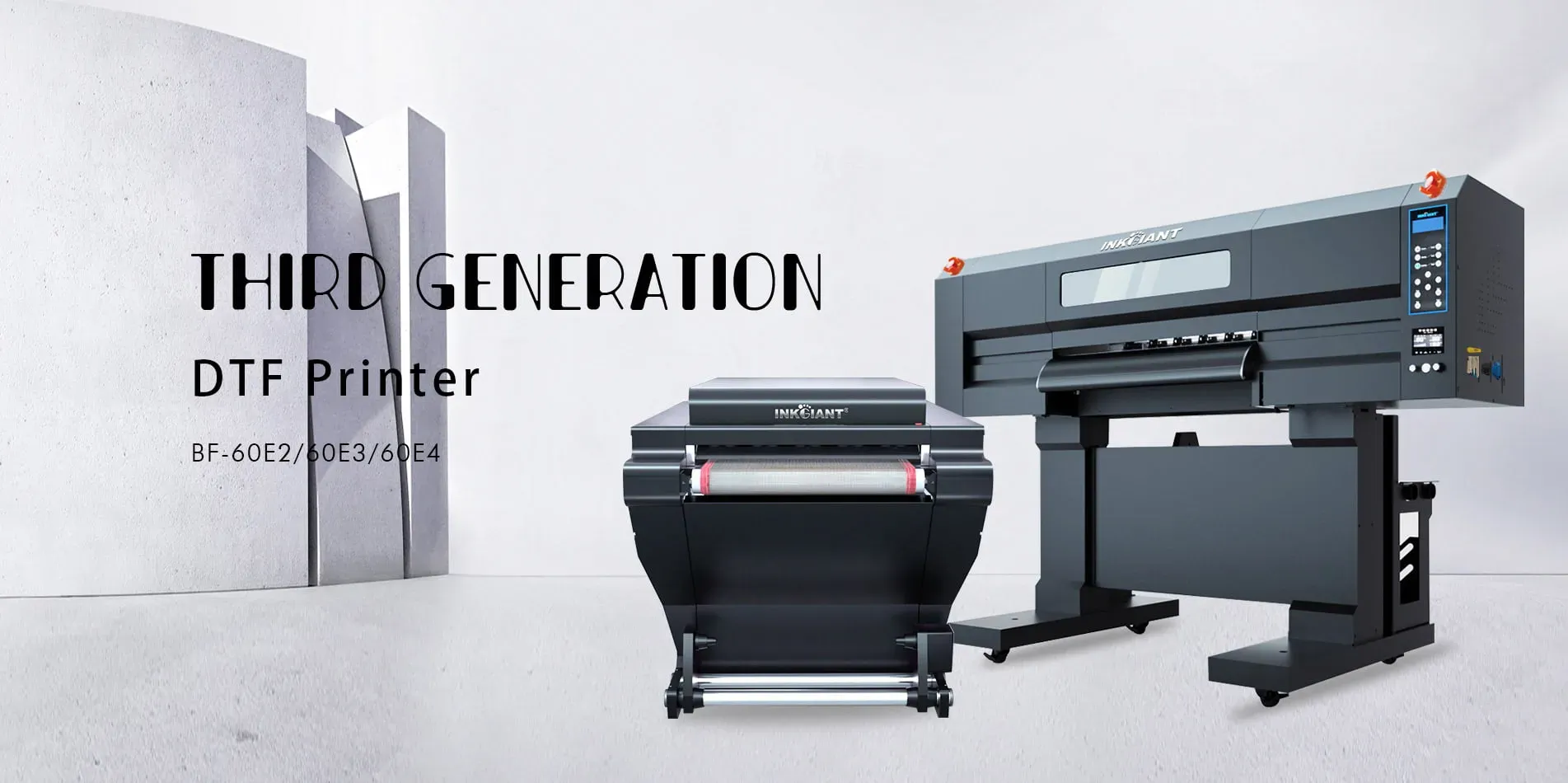
Recent developments in DTF technology include the introduction of specialized printers and innovative materials that enhance print speed, quality, and fabric adherence. These advancements are essential for businesses looking to streamline their custom apparel production and improve quality standards.
What challenges does DTF technology face in the textile industry?
Despite its potential, DTF technology faces challenges such as the high initial cost of equipment and the need for skilled labor to operate advanced DTF machinery. Many businesses are investing in training programs to bridge the skills gap, which is crucial for maximizing DTF’s benefits.
| Aspect | Details |
|---|---|
| Introduction | Direct-to-Film (DTF) technology is transforming garment printing and design, offering advantages over traditional methods. |
| What is DTF Technology? | DTF involves transferring designs from a film onto fabrics using heat and pressure, providing vibrant and durable prints on various materials. |
| Advantages of DTF | – **Versatility**: Suitable for various fabrics. – **Cost-Effectiveness**: Reduces setup costs compared to screen printing. – **High Detail and Color Range**: Supports intricate designs with a broad color spectrum. |
| Market Growth | Forecasts predict the DTF printing market could reach USD 1.7 billion by 2025 due to increased adoption in custom apparel. |
| Sustainability | DTF is gaining traction for its lower environmental impact by using less water and fewer chemicals. |
| Recent Developments | – **Expanded Equipment**: New specialized printers enhance speed and quality. – **Innovative Materials**: Development of better films and inks for improved performance. |
| Challenges | High initial equipment costs and the need for skilled labor limit wider adoption of DTF technology. |
Summary
DTF technology is revolutionizing the textile industry by providing innovative and efficient solutions for garment printing. This modern approach transcends traditional methods, offering exceptional versatility, cost-effectiveness, and sustainability. As the demand for personalized and customizable apparel grows, DTF technology stands at the forefront, enabling businesses to meet consumer desires while adhering to eco-friendly practices. Its advanced capabilities and recent developments in equipment and materials position DTF technology as a pivotal player in shaping the future of textile production.