DTF Transfer: A Game Changer for Textile Designers
DTF transfer, or Direct-to-Film transfer printing, has emerged as a groundbreaking technology in the textile design industry, transforming traditional methods of fabric printing. This innovative printing process allows designers to apply intricate and vibrant designs directly onto various fabric types with unprecedented ease and accuracy. As the demand for sustainable printing practices grows, DTF transfer stands out for its use of water-based inks, minimizing environmental impact compared to conventional methods. By enabling a quick and seamless transition from digital designs to physical textiles, DTF printing empowers artists and businesses to unleash their creativity while maintaining efficiency. The future of fabric printing is bright, thanks to the versatility and effectiveness of DTF transfer, marking it as a key player in the evolution of textile design.
Direct-to-Film transfer, often referred to as DTF printing, is reshaping the way fabrics are adorned in the design world. Characterized by its ability to print intricate illustrations onto a special film before transferring them to fabric, this method is garnering attention for its adaptability across diverse textiles. Known for its sustainable printing capabilities, DTF printing utilizes eco-friendly inks that reduce waste and enhance production efficiency. As a technique embraced by both large manufacturers and independent designers alike, the process eliminates the complications associated with traditional fabric printing methods. This revolution in textile decoration not only meets the industry’s need for high-quality outcomes but also supports the growing commitment to sustainable practices.
Understanding DTF Transfer and Its Benefits
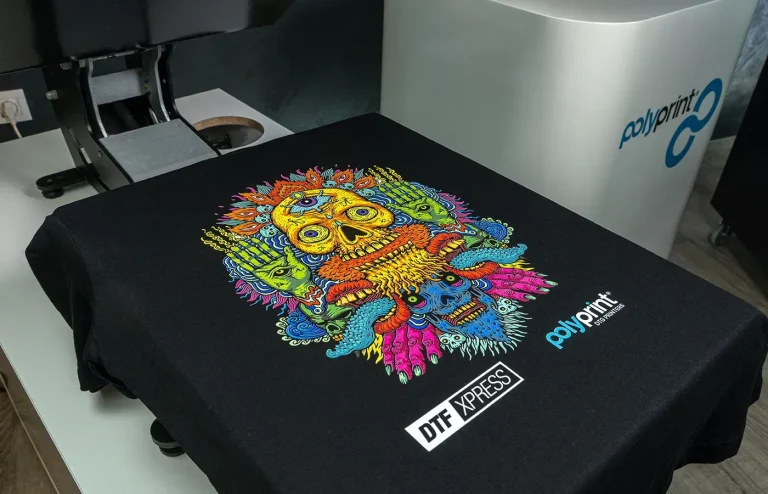
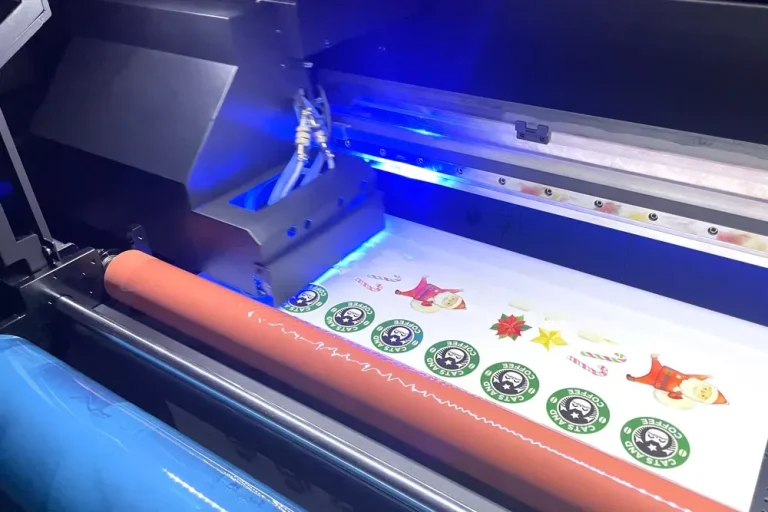
Direct-to-Film (DTF) transfer represents a groundbreaking methodology in the textile design industry. This process involves printing vibrant designs onto a specialized film before transferring them onto fabrics using heat and pressure. One of the most significant advantages of DTF printing is its ability to deliver intricate and colorful designs while maintaining exceptional durability. This technology offers a versatile option for designers who work across various materials, ensuring that their artwork looks stunning, whether on cotton or synthetic blends.
Moreover, DTF transfer eliminates many of the limitations posed by traditional printing methods. Unlike screen printing, which requires specific setups that can be both time-consuming and costly, DTF allows for greater flexibility. Designers can run smaller print jobs economically, making it easier to bring personalized designs to life. This capability empowers textile artists by providing them with the tools needed to explore more varied artistic avenues without the traditional risks associated with bulk production.
Ultimately, DTF transfer sets itself apart by combining quality and efficiency in a way that is beneficial for both individual designers and larger textile manufacturers. As a result, we’re witnessing an increasing trend among labels and independent creators alike toward adopting this practice as a standard for fabric decoration.
The Cost-Effectiveness of DTF Transfer Printing
A significant factor driving the popularity of DTF transfer printing is its cost-effectiveness compared to conventional fabric printing methods. DTF technology reduces production costs by lessening the need for expensive setup equipment, like screens and plates required in traditional screen printing. According to industry experts, manufacturers are reporting reduced operational costs thanks to the streamlined processes that DTF encourages. This translates into savings that can be passed on to consumers or reinvested to enhance design capabilities.
In addition, businesses can take advantage of the impressive efficiency offered by DTF printing. It enables designers to print on demand, minimizing waste and ensuring that only products that customers want are produced. This aspect not only adheres to the sustainable practices that are growing in importance within the textile industry but also positions companies to respond rapidly to market trends and consumer preferences.
User-Friendly Aspects of DTF Printing
DTF transfer printing is lauded for its user-friendly nature, making it an accessible option for both budding entrepreneurs and established businesses in the textile sector. The process requires minimal technical expertise and can be easily integrated into various production environments. This ease of use allows for quick onboarding and adaptation, empowering smaller operations to compete in a market often dominated by larger, resource-rich companies.
For independent designers, this means the ability to create distinctive, customized pieces without bearing the financial risk of high-volume production. They can test ideas and product lines without the upfront investment that traditional fabric printing methods typically demand. As a result, DTF transfer not only levels the playing field but also fosters innovation and diversity within textile design.
Sustainability in DTF Printing Practices
Sustainability is at the forefront of many industries, and textile design is no exception. DTF transfer printing harnesses water-based inks that significantly reduce environmental impact compared to solvent-based counterparts. This shift towards more sustainable practices is beneficial not only for the planet but also for manufacturers looking to meet the growing consumer demand for eco-friendly products. Textile companies that adopt DTF technology are well-positioned to enhance their reputations as environmentally responsible entities.
Additionally, DTF printing minimizes material waste associated with traditional screen printing methods, such as leftover inks and screens that often end up discarded. By shortening production cycles and eliminating food chains of excess material, DTF aligns perfectly with the principles of sustainable design. This commitment to environmentally conscious practices is an essential selling point for companies aiming to attract eco-aware consumers.
Innovations Driving DTF Transfer Technology
Innovative technological advancements can significantly enhance the capabilities of DTF transfer printing. Recent developments have introduced new formulations of inks that improve adhesion and color accuracy, ensuring that prints are not only vibrant but also long-lasting. These improvements also facilitate better performance on a wider range of fabric substrates, allowing designers more freedom in choosing materials for their projects.
Moreover, advancements in printing equipment are increasing the speed and efficiency of DTF production, making it an appealing choice for designers who value both quality and timely delivery. With faster printing processes and enhancements designed specifically to appease the modern textile artist’s requirements, DTF transfer technology continues to evolve, providing tools that enhance Creative possibilities while maintaining a balance of productivity.
The Future of DTF Transfer in Textile Design
As we look to the future of textile design, DTF transfer technology appears to hold tremendous potential in transforming the industry landscape. With its combination of versatility, user-friendliness, and sustainability, this printing method is set to become increasingly popular among designers. As more brands recognize the value it adds in terms of lowering costs and enhancing creative capability, we can expect DTF to be at the forefront of fabric decoration.
Moreover, as the demand for personalization and unique design options rises among consumers, DTF transfer aligns seamlessly with these trends. Designers will likely leverage the advantages offered by DTF to push the boundaries of textile art, consistently introducing innovative pieces that appeal to discerning customers. This bright vision for the future positions DTF printing not merely as a passing trend but a fundamental shift in the textile industry’s approach to design and production.
Frequently Asked Questions
What is DTF transfer and how does it work in textile printing?
DTF transfer, or Direct-to-Film transfer, is a textile printing method that prints designs onto a special film using high-quality inks. These designs are then transferred onto various fabrics using heat and pressure. This technique offers versatility across different fabric types, ensuring vibrant colors and durable designs.
What makes DTF printing advantageous for textile designers?
DTF printing is advantageous for textile designers due to its versatility, ability to adhere to different fabric types, and cost-effectiveness. It allows for low production runs, which is ideal for independent designers and small businesses looking to create customized products without high upfront costs.
Is DTF transfer a sustainable printing method?
Yes, DTF transfer is considered a sustainable printing method. It utilizes water-based inks that reduce environmental impact and minimizes waste from screen production. This eco-friendly approach aligns with the textile industry’s growing emphasis on sustainable practices.
How does DTF transfer reduce production costs compared to traditional methods?
DTF transfer printing reduces production costs by eliminating the need for screens, which lowers setup times and labor costs. Additionally, the equipment for DTF printing is generally less expensive to purchase and maintain than traditional methods like screen printing.
What are the latest technological advancements in DTF transfer printing?
Recent advancements in DTF transfer technology include improved ink formulations for better adhesion and color accuracy, alongside new printing equipment that enhances production speeds without compromising quality. These innovations help meet the evolving needs of modern textile designers.
Can DTF printing be used for a variety of fabrics?
Yes, DTF printing is highly versatile and can be applied to a wide range of fabrics, including cotton, polyester, and various fabric blends. This adaptability allows designers to explore creative possibilities across different textile types.
| Key Point | Description |
|---|---|
| Definition of DTF Transfer | DTF transfer printing involves printing designs onto a special film, which are then transferred onto fabrics using heat and pressure. |
| Versatility and Quality | DTF printing adheres to various fabric types, maintaining color vibrancy and durability. |
| Reduced Production Costs | DTF transfer has lower equipment and maintenance costs compared to traditional printing like screen printing. |
| Ease of Use | DTF is user-friendly, perfect for small businesses and allows print-on-demand options. |
| Sustainability | Utilizes water-based inks and reduces waste from production, aligning with eco-friendly practices. |
| Technological Advancements | Innovations in ink and printing equipment enhance adhesion, color accuracy, and production speeds. |
Summary
DTF transfer printing is increasingly recognized as a game changer for textile designers, transforming the landscape of fabric decoration through its innovative processes. By allowing creative freedom while optimizing cost and sustainability, DTF transfer stands as a leading technology in the textile industry. As it continues to evolve, designers leveraging DTF transfer will not only enhance their craftsmanship but also support more environmentally friendly practices, shaping a brighter future for textile design.