DTF Transfer Process: A Step-by-Step Guide
The DTF transfer process is revolutionizing the world of textile printing, making it easier than ever to bring vibrant designs to life on various fabrics. This innovative approach, known as Direct to Film (DTF) printing, utilizes advanced textile printing technology to seamlessly transfer high-quality images from film to fabric with exceptional precision. Businesses and artists alike are embracing DTF for its remarkable efficiency and the stunning results it delivers. In this article, we will take a closer look at the DTF transfer process, breaking down the key steps along with the essential DTF transfer equipment you need to get started. Explore the benefits of DTF printing and discover how this method can elevate your apparel decoration game!
The Direct to Film printing technique, frequently referred to as DTF printing, is gaining traction in the realm of textile decoration. This unique method enhances the application of colorful designs onto fabric surfaces, offering a straightforward workflow that caters to various material types. Embracing innovative printing approaches not only ensures quality but also opens up numerous opportunities for creators and businesses in the apparel industry. As we dive into the mechanics and advantages of the DTF transfer system, you’ll understand why this technology is heralded as the future of fabric printing solutions.
Understanding the DTF Transfer Process
The **DTF transfer process** is an innovative approach that has dramatically changed how designs are printed on fabrics. It involves multiple steps, beginning with the creation of a digital design which is later transferred onto a film using specialized **DTF printers**. This method is distinguished by its efficiency, as it allows for high-quality prints that are both vibrant and detailed, catering to various textile types including cotton and polyester. This meticulous process ensures that every printed design maintains its integrity and brightness when applied.
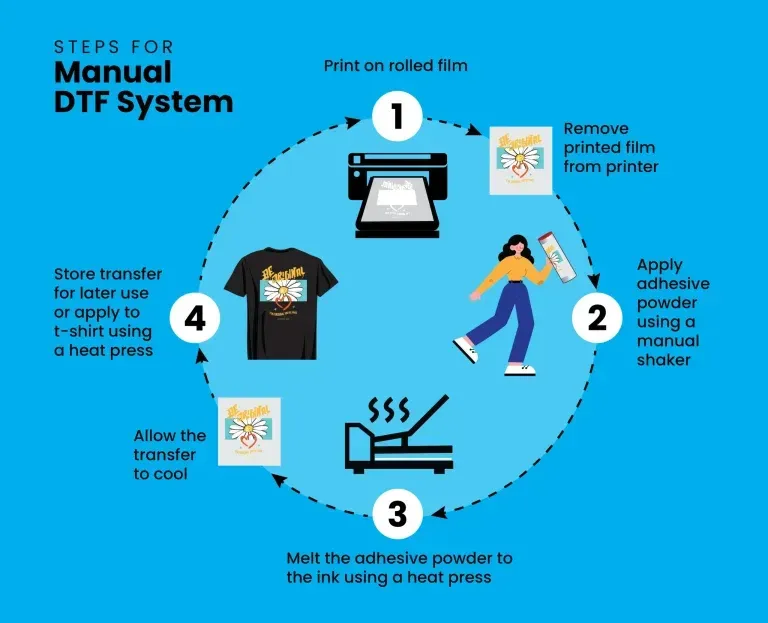
In understanding the DTF transfer process, one must appreciate the intricacies involved in each step. After printing, an adhesive powder is applied, which is crucial for ensuring the ink adheres properly to the fabric during the heat transfer phase. This creates a bond that is not only durable but also long-lasting, a significant advantage for businesses producing apparel that stands the test of time. Each phase of the DTF transfer process is designed to maximize efficiency and minimize waste, making it a green choice for today’s environmentally-conscious businesses.
Key Equipment for DTF Printing Success
For optimal **DTF printing**, several key equipment items are necessary, beginning with a specialized **DTF printer**. This printer is tailored to handle specific inks and films, ensuring that each print meets the high demands of the textile industry. The ability of a DTF printer to produce intricate designs allows for greater creativity and flexibility within the printing process. Additionally, a heat press plays a pivotal role in transferring designs from film to fabric, applying the necessary heat and pressure to ensure a durable bond.
Alongside the printer and heat press, the choice of **DTF transfer film and inks** can greatly affect print quality. Utilizing the right materials guarantees vibrant colors and helps make the process straightforward and efficient. Moreover, the use of **adhesive powder** cannot be understated—it acts as the crucial element binding ink to fabric during the heat transfer. Each piece of equipment in a DTF workflow contributes significantly to the overall quality and efficiency of the printing process and ultimately impacts customer satisfaction with the final product.
Innovative technologies in **DTF transfer equipment** are enhancing the performance and capabilities of printers and heat-press machines. Recent advancements allow for better integration of color profiles and settings, optimizing the print results even further. As the market for DTF printing expands, staying updated on cutting-edge machines and accessories will help businesses maintain a competitive edge in providing high-quality textile products.
Step-by-Step DTF Printing Technique
The **DTF printing steps** are integral for achieving high-quality results. First, a design must be created using graphic design software, which ensures that the final print is eye-catching and clear. High-resolution images are vital because they significantly affect the quality of the final product. Once designed, the digital images are loaded onto the **DTF printer** where they are printed specifically onto the DTF transfer film, ensuring vibrant color output.
Following the design and printing phases, the application of adhesive powder marks a critical step in the DTF printing technique. This powder must be evenly distributed over the wet ink area to achieve optimal adhesion to the fabric. The curing process, where heat is applied to secure the adhesive, is equally essential—the heat helps in binding the ink effectively, preventing fading or peeling in the future. Each meticulous step in the DTF printing process contributes to the vibrancy and longevity of the printed design.
The Advantages of DTF Printing
One of the primary benefits of **DTF printing** is its versatility; this technology can be used on a wide array of fabrics including cotton, polyester, and blends. This flexibility opens up numerous opportunities for businesses seeking to diversify their product range. Furthermore, the vibrant and precise colors produced in DTF prints cater not only to basic needs but also to artistic applications, allowing for an expansive creative field for designers and decorators.
Additionally, one of the standout advantages of **DTF printing** is that it does not require the pre-treatment of fabrics, significantly streamlining the workflow. This lack of pre-treatment saves time and reduces costs, making DTF an attractive option for small businesses or those entering the garment industry. With the use of water-based inks, DTF printing is also a more sustainable option compared to traditional textile printing methods, appealing to eco-conscious consumers and businesses alike.
Recent Innovations in DTF Technology
In recent years, the **DTF printing industry** has seen rapid technological advancements that are reshaping the landscape of printing solutions. New printer models now offer enhanced color accuracy and resolution, which allow for stunning visual output that meets modern aesthetic standards. Innovations in adhesive powders have also improved the overall quality, enhancing the bonding properties with different fabric types, thus broadening the usability of DTF prints.
Moreover, the increased accessibility of **DTF transfer equipment** has opened the doors for small entrepreneurs to enter the textile market without the need for hefty investment. As suppliers expand their product offerings, the competitive landscape fosters further innovation, leading to better options for users. Keeping pace with these developments is crucial for businesses aiming to leverage **DTF technology** effectively and maximize their capabilities in the evolving market.
Exploring Industry Growth in DTF Printing
As of 2023, the **DTF printing market** has been experiencing impressive growth due to the affordability and ease of use of its technology. The entry barriers have significantly lowered, allowing new players in the industry to take advantage of efficient production techniques without extensive capital outlay. This growth is also fueled by the rising awareness among businesses regarding the benefits of **DTF printing**, including its vibrancy and versatility.
Furthermore, the trend toward personalization and custom apparel is driving demand for printing technologies like DTF. As consumers seek unique and personalized products, businesses are increasingly incorporating DTF into their production processes to meet these demands. The prosperous growth trajectory of the **DTF printing industry** indicates that this technology is likely to be a key component in the future of textile printing, making it essential for businesses to adapt and innovate accordingly.
Frequently Asked Questions
What is the DTF transfer process in textile printing?
The DTF transfer process, which stands for Direct to Film transfer, involves printing designs on a special film using DTF inks and then applying this film to fabric using heat and pressure. This method allows for vibrant and detailed prints on various materials, making it a popular choice in textile printing.
What are the necessary DTF printing steps for beginners?
The DTF printing steps include: 1) Design Creation using graphic software, 2) Printing the design onto DTF film, 3) Applying adhesive powder on wet ink, 4) Curing the print with heat, 5) Transferring the design to fabric using a heat press, and 6) Peeling off the transfer film to reveal the finished product.
What types of DTF transfer equipment do I need?
To effectively carry out the DTF transfer process, you will need a DTF printer, heat press machine, transfer film, DTF inks, and adhesive powder. Each of these components plays a crucial role in achieving high-quality, durable prints on textiles.
What are the benefits of DTF printing compared to other methods?
The benefits of DTF printing include its versatility on various fabric types, vibrant color output, no need for pre-treatment of fabrics, and cost-effectiveness, particularly for small businesses. Additionally, DTF uses water-based inks, making it a more environmentally friendly option compared to traditional printing methods.
How can I ensure the best results from the DTF printing process?
To ensure the best results from the DTF printing process, focus on using high-resolution images for design, properly configure your DTF printer settings, and evenly apply adhesive powder. Additionally, carefully monitor the heat press settings accurate to the fabric type during the transfer step.
What advancements are currently shaping the DTF transfer process?
Recent advancements in the DTF transfer process include improvements in printer technology for enhanced color accuracy, development of new adhesive powders for better bonding, and an increase in accessibility of equipment for small businesses. These innovations are driving growth and efficiency in the DTF printing market.
| Step | Description |
|---|---|
| 1. Design Creation | Create or select a design using graphic design software, ensuring high resolution for clarity. |
| 2. Print the Design | Load transfer film into the DTF printer and print the design with DTF inks, adjusting printer settings accordingly. |
| 3. Apply Adhesive Powder | Sprinkle adhesive powder over the wet ink to ensure proper binding after heat transfer. |
| 4. Cure the Print | Cure the printed film at a specific temperature and time to secure the adhesive powder in place. |
| 5. Transfer to Fabric | Place the cured printed film onto fabric and use a heat press to apply heat and pressure for transfer. |
| 6. Peel and Finish | Carefully peel off the transfer film to reveal the high-quality print bonded to the fabric. |
Summary
The DTF transfer process is a cutting-edge method that streamlines the creation of high-quality fabric prints. From the initial design creation to the final application, this step-by-step approach allows for vibrant and durable prints across various materials. With its straightforward requirements and growing accessibility, the DTF transfer process is becoming a favored choice for artists and businesses striving to enter the textile printing market. As technology continues to advance, those who embrace the DTF transfer process will find themselves at the forefront of innovative printing solutions, ready to meet the evolving demands of the industry.