DTF Transfers: A Beginner’s Guide with Tips and Tricks
DTF transfers, or Direct-to-Film transfers, have emerged as a revolutionary printing method, making a significant impact in the world of garment decoration. This technique offers unmatched versatility and the ability to print vibrant, high-quality designs that adhere seamlessly to a wide variety of fabrics. Perfect for beginners and seasoned professionals alike, DTF printing has garnered attention for its incredible durability and ease of use, allowing anyone to create stunning apparel with minimal hassle. In this guide, we’ll delve into essential DTF printing tips, optimal DTF heat press settings, and crucial garment care techniques to ensure your creations last. Get ready to explore the exciting realm of DTF transfers and elevate your printing projects to the next level!
Often referred to as Direct-to-Film printing, the DTF transfer process involves applying colorful designs onto specially coated films before transferring them to textiles using heat. This innovative method allows artists and hobbyists to explore various printing possibilities, yielding striking results on both light and dark materials. As you navigate through your DTF journey, you’ll discover vital techniques for successful outcomes, including printer setup and effective heat press usage. Moreover, understanding proper garment care and maintenance will enhance the longevity of your designs, making this a popular choice among fabric decorators. Join us as we guide you through the essentials of this dynamic printing technique that is redefining custom apparel.
Understanding the Benefits of DTF Transfers
DTF transfers have revolutionized the printing landscape due to their unique advantages. One of the most notable benefits of DTF printing is its ability to produce vibrant, detailed designs that stand out on various fabric types. Unlike traditional methods, DTF allows for full-color prints with intricate designs and gradients, giving creators the flexibility needed for diverse projects. Whether you’re producing t-shirts, hoodies, or custom accessories, DTF transfers ensure that your artistic vision translates beautifully onto the fabric.
Another significant advantage is the versatility of DTF transfers across different fabric types. As they can be applied to both light and dark materials, DTF printing expands opportunities for garment personalization. This adaptability makes it ideal for designers who want to cater to a wide clientele, including those seeking both fancy attire and everyday wear. Therefore, understanding the benefits of Direct-to-Film printing can significantly enhance your crafting success and open new avenues for creativity.
Essential DTF Printing Tips for Beginners
As a beginner in the world of DTF printing, there are several key tips to keep in mind to ensure the best possible results. First and foremost, invest in quality materials, including premium DTF films and inks to guarantee lasting durability and breathtaking colors in your prints. Brands like Sunrise DTF have earned a reputation for their reliable products, giving beginners the confidence to excel in their projects without the fear of subpar results.
In addition to quality materials, understanding printer settings is crucial. Beginners should familiarize themselves with their printer’s specifications for printing on DTF paper. Setting the printer to the highest resolution will enhance print clarity, enabling intricate designs to come to life. Taking these initial steps helps lay a solid foundation for successful DTF printing.
Optimizing Your DTF Heat Press Settings
Getting the heat press settings right is pivotal in DTF transfers. The optimal temperature typically ranges between 320°F and 350°F (160°C to 180°C) and should be maintained for about 15 to 30 seconds. Beginners should always reference the fabric care guidelines to avoid damaging garments during the heat application process. Ensuring that heat is evenly distributed is essential to achieving full adhesion of the design to the fabric.
Furthermore, monitoring the pressure applied during the heat transfer phase is equally important. Too little pressure may result in a weak bond and compromised design longevity. On the flip side, excessive pressure can ruin both the fabric and the design. Therefore, adjusting and testing your heat press settings consistently will enhance your overall DTF printing experience and ensure quality output.
Preparing Your Garments for DTF Application
Proper preparation of your garments before applying DTF transfers can make a significant difference in the final product. Pre-pressing the fabric for a few seconds not only removes moisture but also smoothens the surface, setting the stage for better adhesion of the DTF design. This preliminary step helps ensure that your printed transfers maintain their quality over time and reduces the chances of peeling.
Moreover, selecting the right type of fabric can also influence the effectiveness of DTF transfers. While DTF works excellently on most fabric types, plain cotton and cotton blends tend to yield top results. Avoid fabrics with heavy textures, as they may inhibit the design’s adherence. By taking these garment preparation steps seriously, beginners can significantly increase their chances for successful DTF application.
Caring for DTF Printed Garments
Post-transfer care is crucial to maintaining the longevity and vibrancy of DTF printed garments. Encourage customers to wash items inside out and to refrain from using fabric softeners, as these can deteriorate the print quality. Air-drying garments is even more beneficial, as high dryer heat can lead to premature wear of the DTF transfer.
Additionally, it’s recommended that customers wash their DTF printed items within 24 hours of application to preserve the vibrancy of the prints. Providing clear care instructions not only helps your customers maintain their purchases but also enhances your reputation as a quality printer who cares about their work’s longevity.
Common Challenges in DTF Printing and Solutions
As with any printing technique, DTF printing comes with its own set of challenges, such as ink smudging and design lifting. Ink smudging often occurs if the curing process isn’t optimal. It’s essential to verify that all equipment settings are correct and to monitor temperatures closely to avoid messy outcomes that could detract from your work.
Another challenge lies in design lifting, where the DTF transfer fails to adhere well to the garment. Beginners can overcome this obstacle by adjusting the pressure or increasing the application time during heat pressing. Testing different techniques will allow you to find the perfect settings for various fabrics and designs, but persistence is key for refining your skills in DTF printing.
Frequently Asked Questions
What are DTF transfers and how do they work?
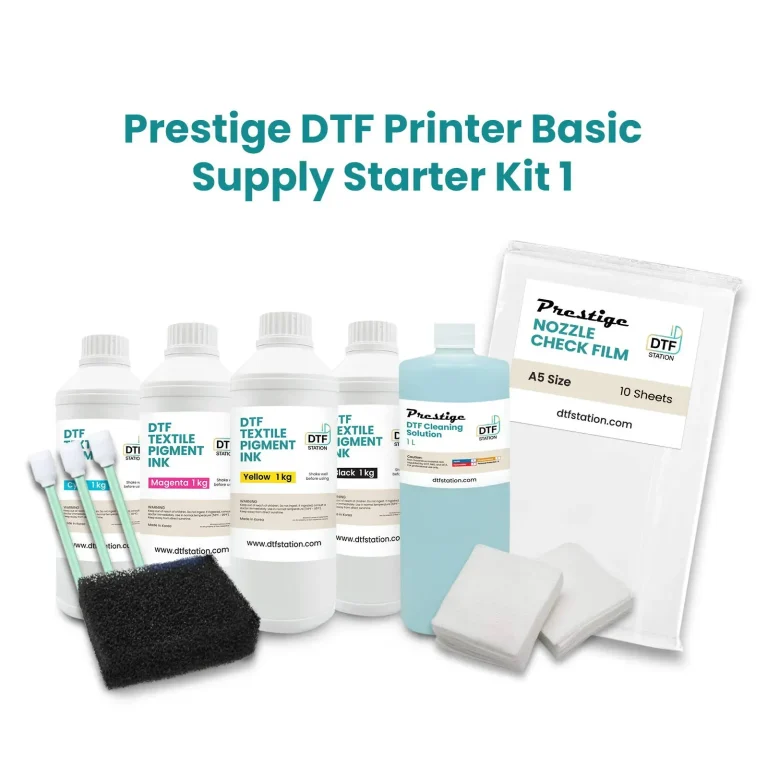
DTF transfers, or Direct-to-Film transfers, involve printing designs on special film to apply onto fabrics. The process utilizes DTF film, transfer inks, and heat to create vibrant and durable prints that can adhere to various textiles, making them suitable for both light and dark garments.
What are some essential DTF printing tips for beginners?
For beginners in DTF printing, key tips include using quality materials like high-grade DTF film and inks, optimizing your printer settings for best resolution, and maintaining correct DTF heat press settings, usually between 320°F to 350°F for 15 to 30 seconds, to ensure successful transfers.
What are the proper DTF heat press settings for optimal transfer results?
The ideal DTF heat press settings typically include a temperature range of 320°F to 350°F (160°C to 180°C) and pressing time between 15 to 30 seconds, depending on the fabric type. It’s important to ensure that pressure is consistent, as this affects adherence and durability.
How should I care for garments printed with DTF transfers?
To care for DTF transfer garments, wash them inside out, avoid using fabric softeners, and air-dry when possible. It’s also recommended to wash the garment within 24 hours of application to preserve the vibrancy and integrity of the DTF prints.
What are the common challenges faced in DTF transfers and their solutions?
Common challenges in DTF transfers include ink smudging and design lifting. To avoid ink smudging, ensure proper curing and equipment settings. For design lifting, adjusting heat press settings such as time and pressure can improve adhesion.
Is there a beginners DTF guide available for further learning?
Yes, there are numerous resources available, including comprehensive guides on DTF printing techniques, tips for success, and maintenance advice. Websites like T-Shirt Magazine and Pro World offer valuable materials for both beginners and experienced users in mastering DTF transfers.
| Key Aspect | Details |
|---|---|
| Introduction | A printing technique preferred by garment decorators for its versatility and vibrant colors. |
| Components of DTF | DTF film, transfer inks, heat press – all essential for high-quality, durable designs. |
| Quality Materials | Opt for high-grade DTF films and premium inks for better results. |
| Printer Settings | Use highest resolution settings and consult user manuals for profiles specific to your equipment. |
| Heat Press | Calibrate heat press to 320°F – 350°F for 15 to 30 seconds to ensure proper adhesion. |
| Garment Preparation | Pre-pressing the fabric removes moisture and improves adhesion. |
| Peeling Techniques | Test both hot and cold peeling methods to determine the best result for your fabric. |
| Post-Transfer Care | Instruct customers to wash inside out, use no fabric softeners, and air-dry to maintain prints. |
| Maintenance | Regularly clean your heat press and printer to avoid residue build-up that affects print quality. |
| Common Challenges | Address issues like ink smudging and design lifting by checking equipment settings and adjusting as necessary. |
| Conclusion | Master the art of DTF printing through quality materials, settings optimization, and application techniques. |
Summary
DTF transfers are revolutionizing the way we customize textiles, combining quality and efficiency for stunning results. By understanding the core principles and techniques, including using high-quality materials and proper heat press settings, anyone can successfully engage in DTF printing. It’s crucial to pay attention to garment preparation and care to prolong the lifespan of your designs. Whether for personal projects or professional endeavors, mastering DTF transfers opens up endless creative possibilities.