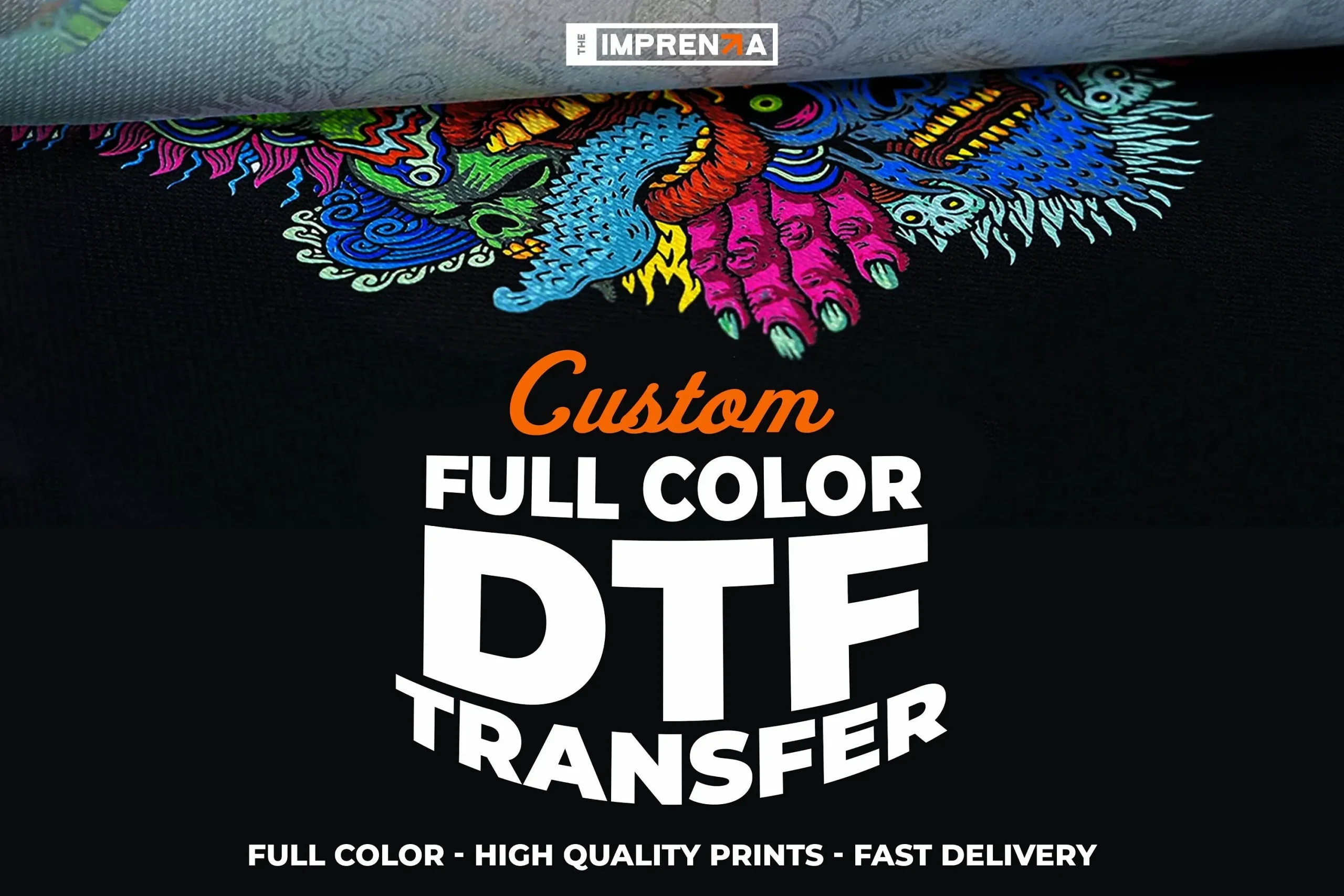
DTF Transfers: Beginner’s Tips for Perfect Results
DTF Transfers, or Direct-to-Film transfers, have revolutionized the world of custom printing with their vibrant colors and exceptional durability. As a favored choice for both beginners and seasoned printers, mastering DTF printing can open doors to a multitude of creative possibilities. If you’re looking to enhance your skills, this guide is filled with essential DTF printing tips tailored for novices and experienced users alike. From understanding the nuances of the transfer process to selecting the best DTF materials that ensure quality results, you’ll find valuable insights to boost your craftsmanship. Get ready to elevate your printing game and learn how to do DTF transfer like a pro!
Direct-to-Film printing, often referred to as DTF printing, is a cutting-edge technique that allows for striking custom designs to be transferred onto various fabrics. This innovative method has gained popularity for its ability to produce long-lasting, high-quality prints, making it an excellent option for apparel enthusiasts. Whether you are looking to create unique garments, merchandise, or promotional items, understanding the process and best practices of this transfer method is essential. In this article, we will delve into practical strategies for beginners, including the right heat press for DTF, material selection, and tips to optimize your printing experience. Let’s navigate through the key elements that will set you on the path to success in this rapidly evolving printing landscape.
Getting Started with DTF Transfers
When venturing into the world of DTF transfers, understanding the fundamental aspects of the process can help beginners avoid common pitfalls. The initial step is choosing the right equipment. A quality printer that supports DTF printing is essential to achieving vibrant and durable results. Look for printers that offer at least 300 DPI resolution to ensure sharp details and true-to-life colors. This attention to detail will make a significant difference in the final product, providing a strong foundation for your DTF projects.
In addition to having the right printer, being familiar with the DTF printing process is crucial. DTF involves a multi-step approach that includes printing on film, applying adhesive powder, and utilizing a heat press. Understanding these steps will not only streamline your workflow but also enhance the quality of your prints. Practicing on different materials will help you discover the versatility of DTF transfers and how they can be adapted to various fabrics.
Essential DTF Printing Tips for Beginners
As a beginner in DTF printing, focusing on fundamental tips can greatly speed up your learning curve. One key tip is to always conduct test prints before working on final projects. Using swatches allows you to fine-tune your designs and ensure that color fidelity is maintained. This practice not only saves materials but also builds your confidence as you learn to troubleshoot various challenges that may arise during printing.
Another vital tip for beginners is to research the best DTF materials before starting your projects. Not all films and adhesives are created equal; investing time into reading reviews and seeking recommendations can save you from frustrating experiences. Additionally, opting for high-quality hot-melt adhesive powder will ensure that your designs adhere strongly to the fabric, enhancing their durability. Remember, the quality of materials used directly impacts the final results.
Understanding DTF Printing Materials
The success of your DTF transfers heavily relies on the materials chosen throughout the printing process. Firstly, not all DTF films are made the same. High-quality DTF films are specifically designed to achieve optimal adhesion and vibrant print results. It’s important to select films that are compatible with your specific printer and ink choice to maximize the effectiveness of your designs.
Furthermore, pay close attention to the inks you use in DTF printing. High-grade, water-based inks are necessary to ensure color fidelity and wash durability. Utilizing poor-quality inks may lead to faded prints and loss of detail after a few washes, which can be disappointing for any beginner. Therefore, always prioritize using recommended inks to enhance your printing experience and produce lasting results.
Mastering the Heat Press Technique
Mastering your heat press technique is crucial for creating high-quality DTF transfers. Before applying your transfer, pre-pressing the garment for a few seconds is essential. This allows any moisture and wrinkles to be removed, creating an ideal surface for the transfer. Taking this extra step can significantly improve the adhesion of your design and the overall outcome of your project.
Once you are ready to press your transfer, ensure that the temperature and pressure settings are correctly adjusted. DTF transfers usually require a heat press set between 320°F and 340°F for about 10-15 seconds. Each fabric may require slight adjustments, so it’s wise to test on similar materials first. The cold peel technique, in which you allow the garment to cool before peeling off the film, is also vital. This process helps to ensure a better bond, resulting in a more durable final product.
Post-Processing Care for DTF Designs
After completing your DTF transfer, giving your garment adequate time to cure is a crucial step that is often overlooked. It’s essential to allow the fabric to sit for at least 24-48 hours prior to washing. This waiting period enables the adhesive to bond fully with the fabric, ensuring that your design remains resilient through multiple washes. Rushing this step can lead to peeling or fading, undermining your hard work.
Additionally, once the waiting period is over, taking proper care of your DTF designs will extend their lifespan. Always wash the garment inside out in cold water and avoid using bleach or fabric softeners. Following these care instructions helps maintain the vibrancy of the colors and the integrity of the design, ensuring your custom apparel looks great for a long time.
Continuous Learning in DTF Printing
Embracing a mindset of continuous learning is essential for anyone diving into DTF printing. The landscape of printing technology is ever-evolving, with new techniques, materials, and tips emerging regularly. Engaging with online forums, watching video tutorials, and reading the latest industry articles can expose you to advanced methods and innovative solutions to common challenges faced by printing enthusiasts.
Furthermore, building a community around your DTF printing journey can provide invaluable support. Consider connecting with other printers who share their experiences and insights. Workshops and online courses can also offer structured learning opportunities, allowing you to refine your skills and discover new applications for DTF transfers. With dedication to growth and improvement, you’ll not only enhance the quality of your prints but also expand your creative potential.
Frequently Asked Questions
What is the process of DTF Transfers and how does it work?
DTF transfers involve printing your design onto a special film using DTF inks, then applying a hot-melt adhesive powder before transferring the image onto fabric using a heat press. This process creates vibrant, durable designs suitable for custom apparel.
What are some essential DTF printing tips for beginners?
Beginners in DTF printing should focus on using high-quality DTF films and water-based inks, optimize printer settings for resolution and color management, and master the heat press technique by pre-pressing fabrics and using the right temperature and pressure.
What are the best materials to use for DTF Transfers?
The best DTF materials include high-quality films specifically designed for DTF printing, reliable hot-melt adhesive powders, and premium water-based inks to ensure excellent adhesion, vibrant colors, and durability of the final product.
How do you achieve the best results with a heat press for DTF Transfers?
To achieve the best results with a heat press for DTF transfers, pre-press the garment to eliminate moisture, set the temperature between 320°F to 340°F (160°C to 170°C), and apply pressure for 10-15 seconds. Use the cold peel technique for optimal adhesion.
What should I do to ensure the quality of my DTF Transfers?
To ensure the quality of your DTF transfers, conduct test prints on fabric swatches before the final application, allow the fabric to cure for 24-48 hours post-transfer, and keep track of printer settings, including resolution and color profiles.
Can I learn more advanced DTF printing techniques?
Yes! Continuous learning is key to mastering DTF printing. Seek out online resources such as tutorials, webinars, and forums that focus on DTF printing techniques to enhance your skills and stay updated with industry trends.
| Key Point | Details |
|---|---|
| What is DTF Printing? | DTF printing uses special inks to print designs on a film and transfer it to fabric using heat, ensuring vibrant and durable designs. |
| Choosing the Right DTF Film | Invest in high-quality DTF films for excellent adhesion and vibrant colors, specifically made for DTF printing. |
| Selecting Appropriate Inks | Always use high-grade water-based inks designed for DTF printing to ensure color fidelity and durability. |
| The Importance of Hot-Melt Adhesive Powder | Hot-melt adhesive powder is essential for binding ink to fabric, ensuring strong adhesion. |
| Perfecting Printer Settings | Set printer resolution to at least 300 DPI and ensure correct color profiles for better detail and consistency. |
| Using a Heat Press Correctly | Pre-press garments, adjust temperature (320°F to 340°F), and use cold peel technique for optimal transfers. |
| Post-Processing Tips | Allow fabric to cure for 24-48 hours before washing to ensure durability. |
| Testing Before Full Application | Conduct test prints on fabric swatches to check color and adhesion before final application. |
| Continuous Learning and Improvement | Practice regularly, seek feedback, and stay updated with online resources for advanced techniques. |
Summary
DTF Transfers are revolutionizing custom apparel printing, providing creators with an innovative and effective way to make vibrant, long-lasting designs. Understanding the foundational aspects of DTF printing, from selecting quality materials and inks to mastering printing techniques, is essential for achieving the best results. Every step, from heat pressing to post-processing, plays a crucial role in enhancing the durability and visual appeal of your designs. As you embark on your DTF printing journey, remember that continuous learning and practice will elevate your skills and help transform your ideas into stunning reality.