DTF transfers: Best Practices for Curing and Caring
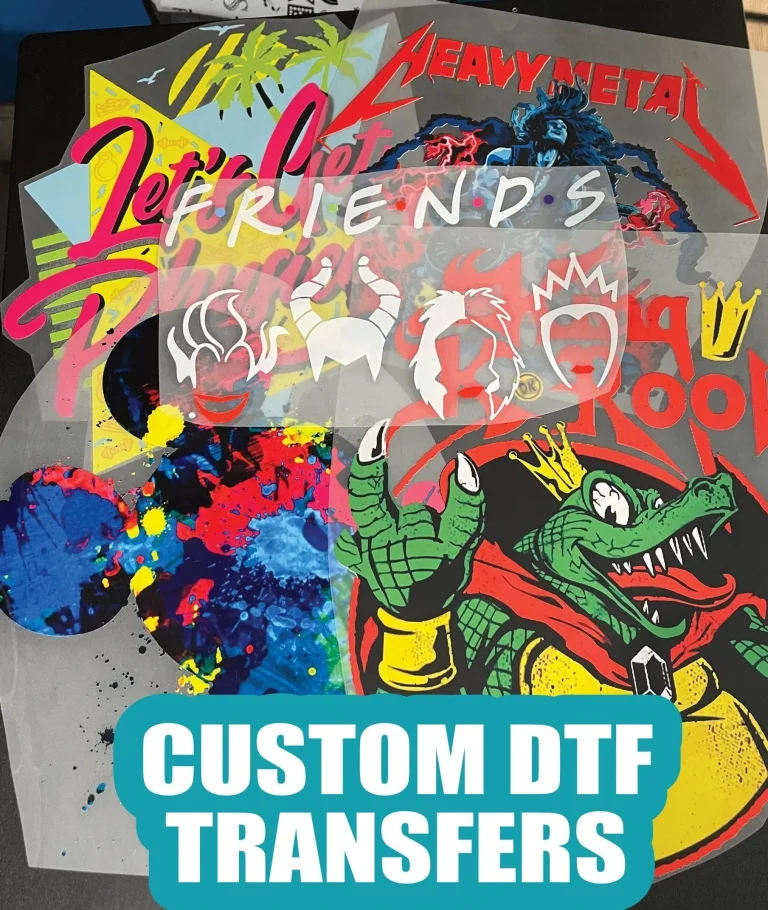
DTF transfers have revolutionized garment decoration by delivering vibrant designs with a surprisingly straightforward workflow. Proper care begins with pre-press conditioning and gentle washing guidelines, such as turning garments inside out, using mild detergents, and avoiding harsh fabrics. The curing step should be tuned to fabric type and printer settings, with test patches guiding adjustments to temperature, time, and pressure so color and texture remain consistent across a run. How to apply DTF transfers correctly matters, since alignment, pre-press, and testing influence edge quality and long-term performance, and taking time to check skew answers many common questions before committing to a full batch. This guide combines practical tips, troubleshooting pointers, and best practices such as DTF transfer troubleshooting and DTF print curing best practices to help makers of all levels, from hobbyists to small studios, maximize efficiency, consistency, and customer satisfaction.
In direct-to-film printing, a similar approach is described as film-transfer decoration, where artwork is prepared on a carrier and heat-pressed into fabric. This terminology emphasizes the same core concepts—bond strength, wash durability, and a soft hand—without repeating the exact product-name phrase. By reframing the process in terms of adhesion science, equipment settings, and maintenance practices, designers can apply the same principles across different substrates while improving repeatability.
DTF Transfers: How to Apply, Cure, and Care for Durable, Wash-Fast Prints
DTF transfers let you decorate garments with vibrant, full‑color artwork, but long‑lasting results start with how you apply them. To learn How to apply DTF transfers effectively, begin with clean, dry fabrics, accurate alignment, and a reliable heat‑press setup. A small test piece helps you confirm placement and initial adhesion before committing to a full run.
Curing DTF transfers requires careful control of temperature, time, and pressure. Start around 150–165°C (302–329°F) for 12–20 seconds with firm, even pressure and a protective sheet to shield the surface. Following DTF print curing best practices, adjust the settings for fabric type and run a quick test on similar materials before mass production.
Caring for DTF transfers is essential to preserve brightness and edge integrity. After washing cycles, turn garments inside out, use cold to warm water, and avoid harsh detergents. Regular inspection of edges and prompt touch‑ups help extend the life, aligning with general tips on Caring for DTF transfers and maintaining finish through proper post‑press care.
DTF Transfer Troubleshooting: Common Issues and Longevity Best Practices
DTF transfer troubleshooting begins with recognizing common symptoms such as cracking, fading, or edge lifting and then testing small samples to pinpoint root causes. Start by reviewing your curing temperature, time, and pressure as well as the pre‑press step to ensure the surface is flat and moisture‑free.
When issues occur, adjust curing and application parameters, re‑run tests, and consult guidelines for pre‑press, temperature, and peel. This aligns with Curing DTF transfers and DTF print curing best practices, and reinforces How to apply DTF transfers correctly as you refine your process.
Preventive care and documented settings help avoid repeat problems and extend the life of the print; this ties into Caring for DTF transfers and thoughtful aftercare. Maintain a running log of fabric types, transfer batches, and successful heat‑press profiles to support consistent results across future runs.
Frequently Asked Questions
How to apply DTF transfers and cure DTF transfers for durable, vibrant results?
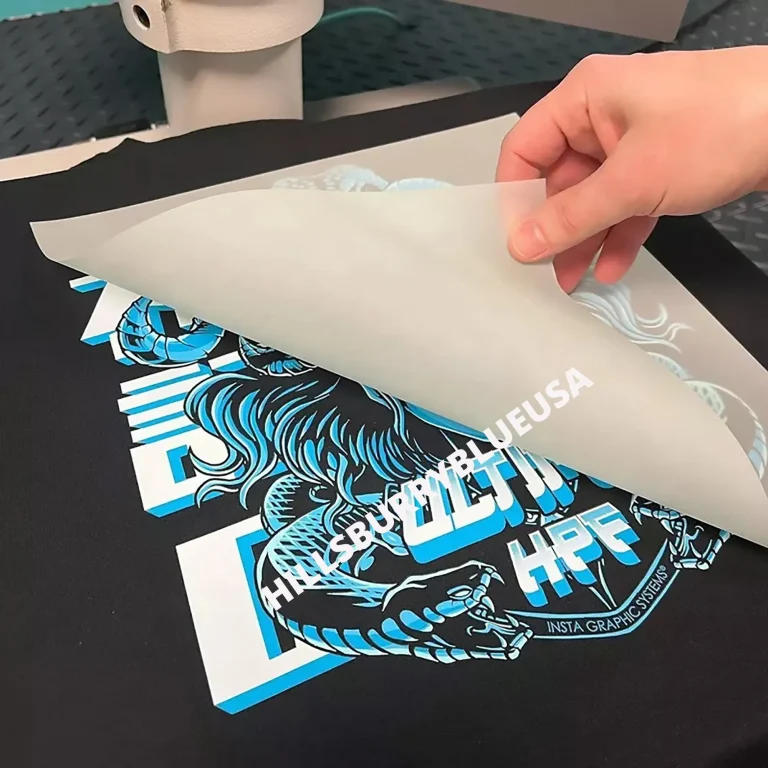
To apply DTF transfers and cure DTF transfers for durable results, start with a clean, dry garment and perform a brief pre-press to remove moisture. Then cure at 150–165°C (302–329°F) for 12–20 seconds with firm, even pressure and a protective sheet, followed by a short cooling period before peeling. For care, wash the item inside-out in cold to warm water with a mild detergent and either air-dry or tumble on low heat.
DTF transfer troubleshooting: what are the most common issues and fixes after applying DTF transfers?
Common issues include cracking or peeling at edges, faded colors, sticky or tacky surfaces, white edges around the image, and texture changes. Fixes include ensuring even pressure and proper curing by adjusting temperature and time, re-pressing affected areas with fresh transfers, reducing time or pressure if the surface is tacky, and performing pre-press to seal edges. Always follow manufacturer guidelines and consider caring for DTF transfers best practices to maintain adhesion and color.
| Topic | Key Points |
|---|---|
| Understanding DTF Transfers | DTF transfers involve printing on PET film with CMYK and sometimes white, applying an adhesive layer, and bonding the design to fabric with heat. Results are durable, vibrant, and soft to the touch. |
| Curing Parameters | Temperature range 150–165°C; Time 12–20 seconds per panel; firm, even pressure; pre-press and moisture control. |
| Peeling and Cooling | Cool for 15–60 seconds after pressing, then peel steadily. Follow manufacturer guidelines and run small tests on similar fabric. |
| Caring for DTF Transfers | Wash inside out with cold to warm water and mild detergent; avoid bleach; air-dry or low heat; avoid ironing directly on the print; inspect edges regularly. |
| Application Tips | Prepare garment surface, use tape for alignment, apply overlays to protect the print, inspect after post-press, maintain consistent batch settings. |
| Troubleshooting | Cracking or edge peeling from uneven pressure; faded colors from under-curing; sticky surface from over-curing; white edges due to moisture or improper peeling; texture changes on rough fabrics. |
| Best Practices Checklist | Test first, pre-press correctly, follow adhesive and film guidelines, maintain consistent settings, protect the print with overlays, cool gradually after pressing, provide care instructions, and continually improve processes. |
Summary
DTF transfers offer a compelling blend of color, durability, and versatility for garment decoration. When cured correctly, including properly tuned temperature, time, and pressure for the fabric, the prints bond securely and retain brightness after washes. Proper curing reduces cracking and peeling, while mindful post-press care protects the print surface and hand feel. Following best practices such as pre-pressing to remove moisture, testing parameters on sample fabric, and providing clear care instructions to customers helps ensure long-lasting results. Whether you are printing for a one-off design or small batches, understanding the curing and post-care workflow empowers you to deliver reliable, high-quality results that wear well and satisfy customers. In short, success with DTF transfers hinges on consistent process settings, attentive handling, and ongoing optimization as you work with different fabrics and transfer formulations.