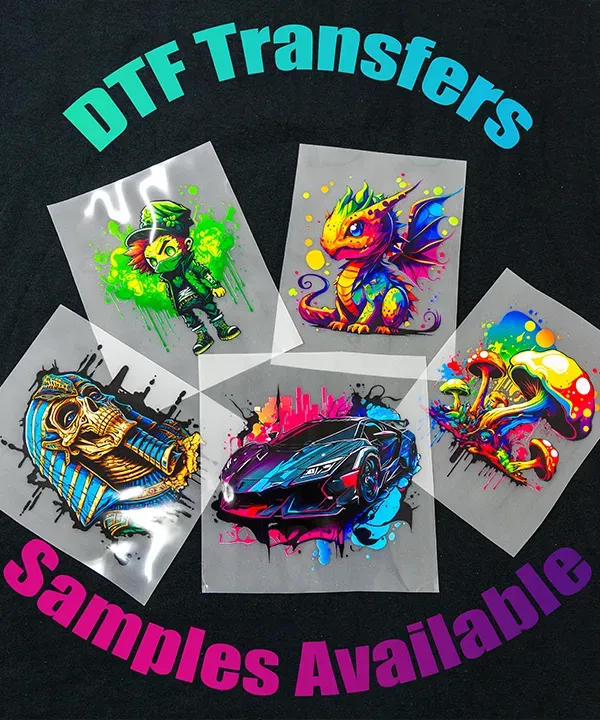
DTF Transfers: Choosing the Right Options for Fabrics
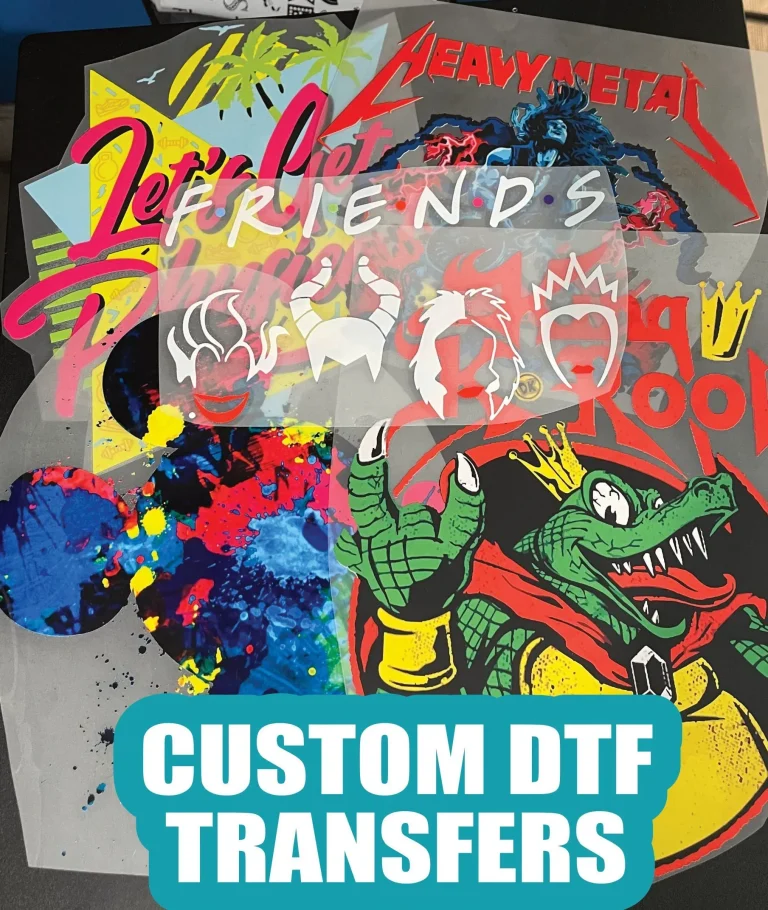
DTF Transfers, or Direct-to-Film transfers, have revolutionized the fabric printing landscape, offering crafters and businesses alike a reliable method for transferring intricate designs onto various materials. Known for their vibrant color reproduction and impressive durability, DTF transfers serve as a preferred choice for those looking to elevate their fabric projects. The key to success with DTF lies in understanding how transfer quality, fabric compatibility, and precise heat press settings interact to create stunning, long-lasting prints. Ensuring access to the right DTF transfer supplies can make all the difference in achieving results that not only meet but exceed expectations. This introductory guide will equip you with the essential knowledge needed to choose the perfect DTF transfers tailored to your specific fabric printing needs.
When it comes to transferring artwork onto textiles, Direct-to-Film (DTF) prints present a dynamic solution that stands out in the realm of custom fabric printing. This technique allows for the creation of bold and intricate designs that adhere well to a variety of fabrics, including cotton and polyester blends. Understanding the nuances of DTF transfer applications, from ensuring proper fabric compatibility to selecting suitable heat press settings, is crucial for achieving optimal results. Additionally, the right DTF transfer supplies can enhance the overall quality and longevity of the printed design, making it a worthy investment for anyone involved in fabric customization. As we delve deeper into the world of DTF transfers, you’ll discover the tips and insights that will transform your fabric projects into eye-catching masterpieces.
The Basics of DTF Transfer Technology
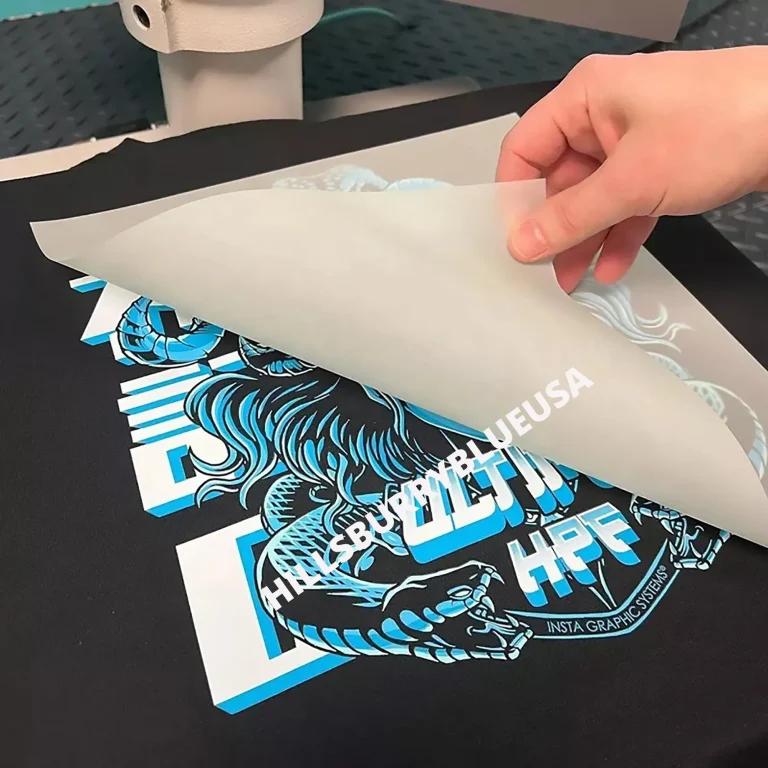
Direct-to-Film (DTF) transfer technology has revolutionized the fabric printing industry. This innovative method involves transfer printing designs onto a special film that can be easily adhered to various fabric types using heat and pressure. DTF transfers are particularly lauded for their ability to create vibrant, long-lasting graphics that deliver excellent detail. By utilizing advanced ink formulation and precision printing techniques, DTF technology ensures that each print is not only striking in appearance but also durable enough to withstand everyday wear and tear.
Understanding the mechanics behind DTF transfer technology is essential for any fabric printing project. The film used in DTF transfers acts as a medium, allowing for printed designs to be seamlessly applied to fabrics. As a result, users can achieve intricate designs with high color fidelity without compromising on quality. This versatility positions DTF transfers as an ideal solution for businesses aiming to create distinctive, custom fabric prints.
Frequently Asked Questions
What are DTF Transfers and how do they work in fabric printing?
DTF transfers, or Direct-to-Film transfers, involve printing your designs onto a specialized film which is then applied to various fabrics using heat and pressure. This method is popular in fabric printing due to its ability to create vibrant and intricate designs that are durable and withstand wear and washing.
What fabrics are compatible with DTF Transfers?
DTF transfers work best on cotton, polyester, and fabric blends. Cotton is favored for its ink absorption, while polyester is suitable for athletic apparel. It’s crucial to test compatibility on fabric swatches before committing to larger applications.
How can I ensure high DTF transfer quality for my projects?
To ensure high DTF transfer quality, consider the thickness, finish, and ink quality of the transfers. Thinner transfers often provide a softer feel and better durability. Opt for a matte finish for integration with fabrics, and choose eco-friendly inks that offer vibrancy.
What heat press settings should I use for DTF Transfers?
Every DTF transfer type has specific heat press settings required for optimal adhesion. Always refer to the manufacturer’s guidelines for recommended temperature and pressure settings to prevent issues like cracking or peeling of your designs.
What supplies do I need for applying DTF Transfers effectively?
For effective application of DTF transfers, you will need a heat press, suitable transfer sheets, film, and inks. Additionally, ensure you have a good quality design to print and follow the recommended procedures for heat pressing.
Where can I find reliable suppliers for DTF Transfers?
Look for suppliers that provide product reviews, detailed product descriptions, and samples for quality testing. Reliable suppliers should also offer good customer support for any order-related inquiries, ensuring consistent quality for your projects.
| Key Point | Details |
|---|---|
| Introduction to DTF Transfers | DTF Transfers are a high-quality printing solution that involves printing designs onto a special film and applying it to fabric using heat and pressure. |
| Fabric Compatibility | Works well on cotton, polyester, and blends. Test fabric swatches before large orders. |
| Transfer Quality | Evaluate thickness, finish, and ink quality. Thin and matte finishes are preferred for a soft touch. |
| Design Complexity | Choose transfers with high printing resolution for intricate designs to capture details accurately. |
| Temperature and Pressure Settings | Follow manufacturer’s guidelines for heat press settings to ensure proper adhesion and longevity. |
| Market Trends | Growing demand for customization and bulk orders among small businesses and hobbyists. |
| Supplier Reliability | Find reputable suppliers with customer reviews, samples, and solid support for quality assurance. |
Summary
DTF Transfers are essential for achieving vibrant and durable prints on fabric. By carefully considering factors like fabric compatibility, transfer quality, and supplier reliability, you can ensure that your fabric projects stand out with high-quality results. The market trend is shifting towards customization and sustainable practices, making it even more important to stay informed and choose the right DTF transfers that align with your creative vision.