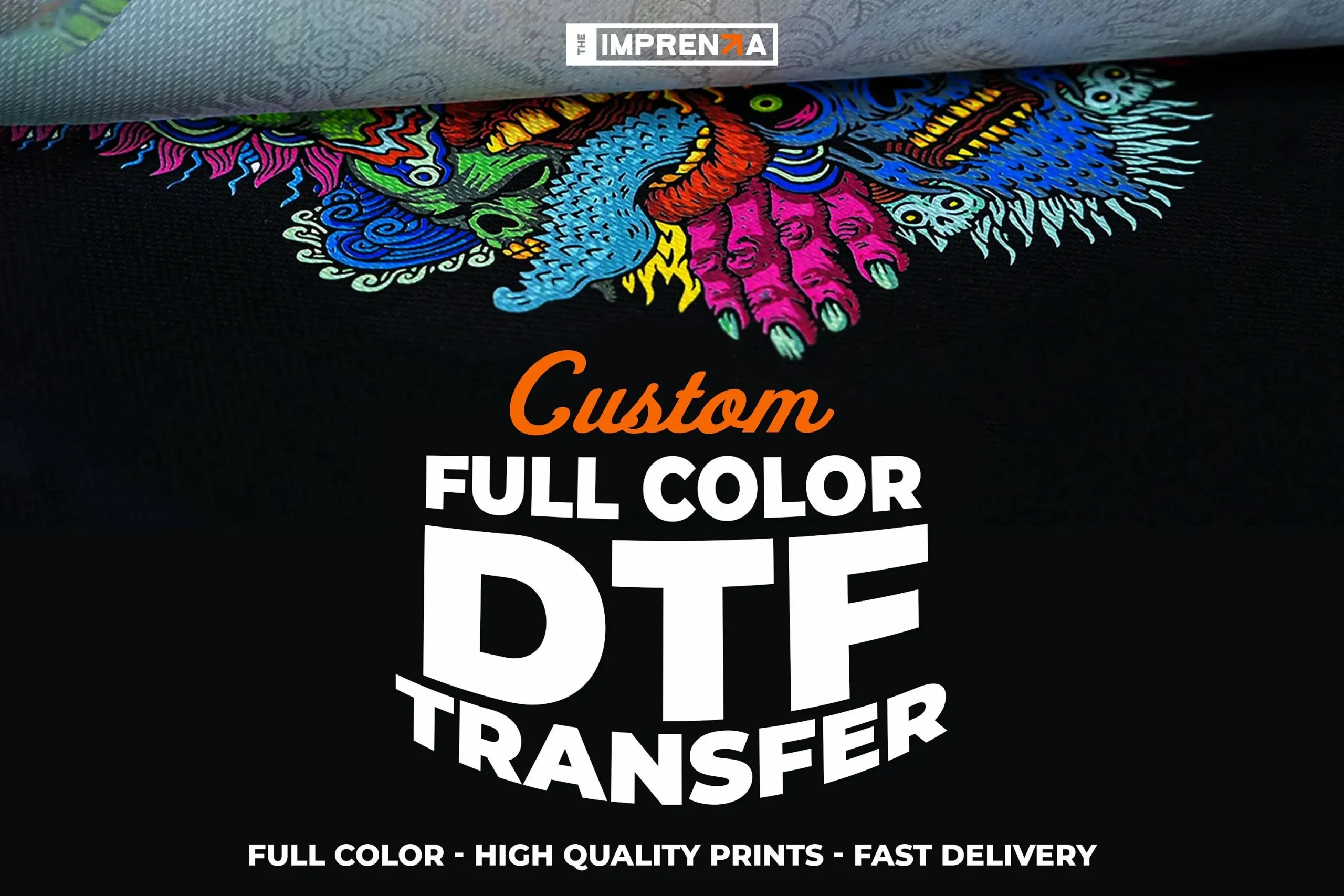
DTF Transfers: Expert Tips to Avoid Common Mistakes
DTF transfers, or Direct to Film transfers, have taken the textile printing industry by storm, offering a dynamic and colorful way to bring designs to life on garments. This innovative method allows for high-resolution prints and breathtaking vibrancy, but success in DTF printing requires skill and attention to detail. To achieve stellar results, understanding the DTF transfer process is essential, as many users may face challenges without proper guidance. Avoiding common DTF transfer mistakes can significantly impact the durability and appearance of your finished products. In this comprehensive guide, we’ll share expert tips and tricks to help you navigate the world of Direct to Film printing with confidence.
Also known as Direct to Film printing, DTF printing is an exciting approach for creating stunning apparel designs. This technology has gained traction for its ability to produce vibrant, high-quality visuals that can be seamlessly transferred onto a variety of fabrics. However, for those venturing into this realm, it’s crucial to grasp the nuances of the DTF transfer technique. Through careful preparation and an understanding of potential pitfalls—such as common DTF transfer mistakes—you can elevate your printing game. Join us as we delve into essential DTF printing tips that will propel your crafting success to new heights.
Understanding DTF Transfers: A Quick Overview
Direct to Film (DTF) transfers have emerged as a revolutionary approach in the textile printing industry. This innovative technique allows for intricate and colorful designs to be printed onto a special film that can be heat applied to fabrics. One of the key advantages of DTF transfers is their versatility; they can be used on a variety of materials, including cotton, polyester, and blends. This means that whether you’re producing custom t-shirts, bags, or other apparel, DTF printing can accommodate your needs.
Another reason DTF transfers are gaining popularity is their ability to produce vibrant colors and detailed imagery that stand the test of time. Unlike traditional methods that can fade over time, DTF prints are durable and maintain their quality even after multiple washes. Understanding the fundamentals of how DTF works is essential for anyone looking to venture into this exciting realm of printing.
Essential Tips for Successful DTF Printing
Achieving success in DTF printing hinges on understanding a few key principles that can elevate the quality of your transfers. Firstly, using high-quality, specifically designed DTF inks is crucial. Not all inks will provide the same results; thus, it’s imperative to use inks that are compatible with your printer. Additionally, adjusting your printer settings according to the manufacturer’s guidelines ensures optimal results. Pay close attention to settings such as resolution, color profiles, and ink density for vibrant output.
Moreover, proper preparation of both the film and the garment plays a critical role in the success of your DTF projects. Ensure that the film is clean and free of contaminants, as any dust or residue can mar the final print. By investing time in these pre-printing strategies, you not only enhance the quality of your designs but also save yourself from future headaches associated with common mistakes.
Avoiding Common Mistakes in DTF Transfers
When diving into DTF transfers, it’s easy to make common mistakes that can jeopardize the quality of your prints. One major pitfall is failing to calibrate the temperature settings correctly on your heat press. An incorrect temperature can lead to inadequate adhesion of the transfer on your garments, resulting in peeling or fading. Ensure that you double-check the recommended heat settings for the specific type of fabric you’re working with to guarantee successful transfers.
Another frequent error is neglecting to use the proper materials for your projects. Not every film adheres well to all fabric types, and using incompatible materials can yield poor results. It is essential to select high-quality DTF films specifically designed for the fabric you are applying them on. By staying vigilant and adhering to the guidelines, you can sidestep many of the pitfalls that often plague new DTF printers.
Effective Temperature and Pressure Techniques
The dynamics of temperature and pressure are pivotal in the DTF transfer process. For effective heat application, setting your press at around 280°F (140°C) for 15-20 seconds generally works well for most fabrics. However, it is essential to recognize that different fabrics may require slight adjustments in these parameters. Conducting preliminary tests on scrap materials can help you hone in on the appropriate settings before working on your final garment.
Additionally, maintaining the right amount of pressure during the transfer process is crucial. Too much pressure can crush details, while too little can result in incomplete transfers. Experimentation and practice with various pressure settings will guide you toward finding the perfect balance, ultimately improving your DTF printing outcomes.
The Importance of Curing and Cooling
Curing is a vital step in the DTF process, as it solidifies the ink’s bond to the film, laying the groundwork for a successful transfer. Allowing adequate time for curing is essential; this process ensures that your designs adhere well and maintain vibrancy when transferred to garments. Once cured, it’s equally important to let the film cool properly before attempting to transfer it to fabric. Failing to allow sufficient cooling time can lead to smudging, ruining your hard work.
Proper curing also affects the longevity of the print. A well-cured film translates to durable designs that resist fading, cracking, or peeling over time. Investing time in perfecting this step will reap benefits in the end, making all the difference in the quality and longevity of the final product.
Pre-Treating Garments for Superior Transfers
Pre-treating your garments is a powerful technique for boosting adhesion and durability of DTF transfers, especially on synthetic fabrics like polyester. This process involves applying a specially formulated pre-treatment solution that prepares the fabric for optimal ink bonding. Apply the solution evenly to avoid spots and ensure it dries thoroughly as per the manufacturer’s specifications before applying the transfer. A light mist application is often more effective than soaking the fabric, preventing excess moisture that can affect adhesion.
Utilizing pre-treatment solutions expands the range of fabrics you can successfully DTF print on, leading to increased opportunities for creative designs and custom products. Taking this additional step not only enhances the bond between the ink and fabric but also prolongs the life of your prints.
Frequently Asked Questions
What are the common mistakes in DTF transfers?
Many common DTF transfer mistakes can derail the printing process. These include using incorrect temperature settings on your heat press, selecting inappropriate films or garments, and failing to follow application instructions exactly. Always make sure to double-check these factors for successful DTF printing.
How do I achieve successful DTF printing?
Achieving successful DTF printing requires proper preparation of the film, using high-quality DTF inks, and configuring your printer settings according to manufacturer specifications. Additionally, it’s vital to regulate temperature and pressure during the heat transfer process for vibrant results.
What is the best way to prepare for DTF transfers?
To prepare for DTF transfers, ensure your film is clean and free of contaminants, choose compatible DTF inks, and set your printer to the correct resolution and color profiles. It’s also important to pre-treat your garments to enhance adhesion before applying any DTF prints.
What are some essential DTF printing tips?
Essential DTF printing tips include conducting test transfers on scrap fabric to find optimal settings, maintaining your printer and heat press, and ensuring the ink is properly cured before transferring. Test various materials and conditions to see what works best for your projects.
How do you perform DTF printing?
To perform DTF printing, first print your design onto the DTF film using a compatible printer. Next, cure the ink to ensure it adheres correctly to the film. After cooling, pre-treat your garment, set the heat press temperature around 280°F (140°C), and apply pressure for 15-20 seconds to successfully transfer the design.
Can pre-treating garments improve DTF transfer quality?
Yes, pre-treating garments, especially synthetic fabrics, can significantly improve the quality of DTF transfers. It enhances adhesion and durability, ensuring that the design lasts longer. Apply a light mist of the pre-treat solution and allow it to dry before making the DTF transfer.
| Key Points | Details |
|---|---|
| Proper Preparation of the Film | Ensure the film is specifically designed for DTF printing, clean, dry, and free from contaminants. |
| Ink and Printer Settings | Use high-quality DTF inks adjusted to the printer’s specifications, focusing on DPI, color profiles, and ink density. |
| Temperature and Pressure Regulation | Heat press settings should be around 280°F (140°C) for 15-20 seconds, with careful pressure regulation. |
| Curing and Cooling | Cure the film properly to bond ink effectively; allow cooling before transferring. |
| Pre-Treating Garments | Pre-treat synthetic fabrics for better adhesion, applying a light mist of solution. |
| Avoiding Common Mistakes | Check temperature, use correct materials, and follow application instructions closely. |
| Testing Under Different Conditions | Experiment with various fabric types and settings to find optimal conditions. |
| Maintenance of Equipment | Regularly clean the printer and heat press for optimal performance and results. |
Summary
DTF transfers represent an innovative method in textile printing that allows for the creation of vibrant designs on garments. This technique, while offering incredible potential, necessitates careful attention to detail and knowledge of best practices. By implementing the expert tips detailed above, including proper film preparation, appropriate ink and printer settings, and maintaining equipment, you can significantly enhance the quality of your DTF transfers. Avoiding common pitfalls such as incorrect temperature settings and improper pre-treating can further elevate your results. As you refine your technique, you’ll find DTF printing not only a technical skill but a pathway to artistic expression, opening doors to endless creative possibilities.