DTF Transfers: How They Work and Why They’re Effective
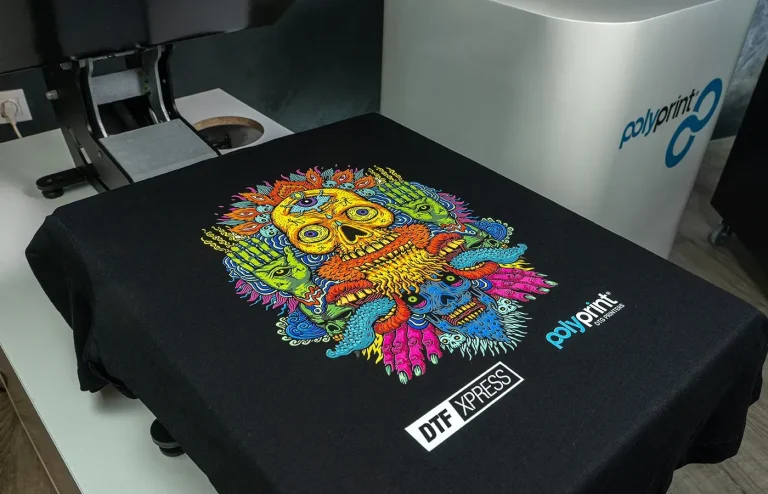
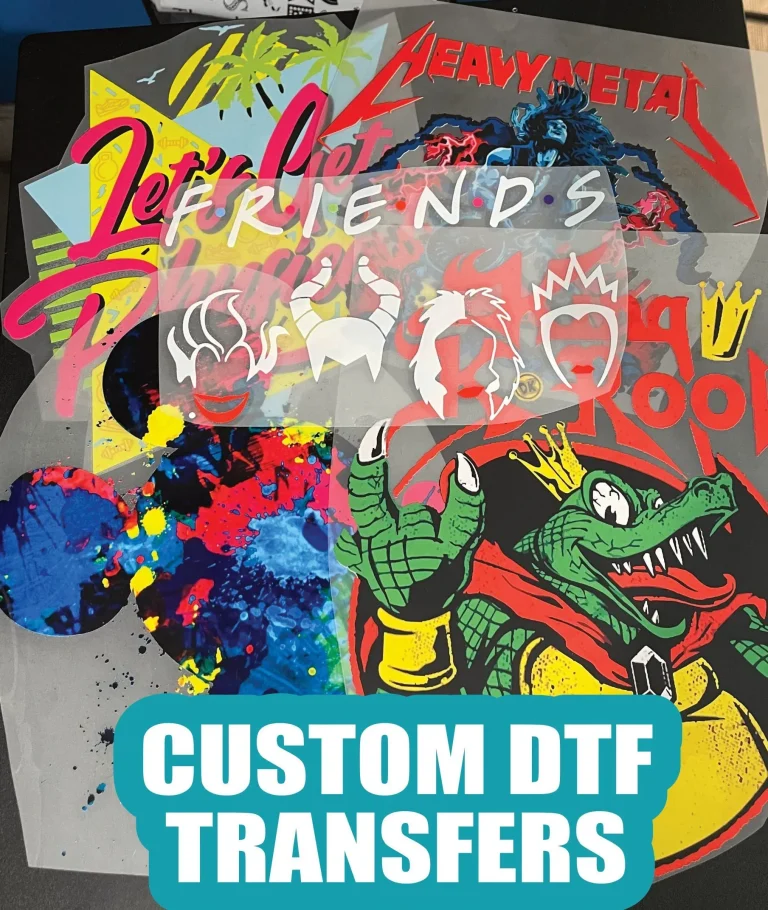
DTF transfers, or Direct-to-Film transfers, have rapidly emerged as a revolutionary technique in the realm of garment printing. By combining advanced heat transfer technology with the precision of Direct-to-Film printing, this method allows for high-quality designs to be effortlessly transferred onto a variety of fabrics. The DTF printing process is celebrated for its versatility and long-lasting results, making it an ideal choice for custom apparel enthusiasts and businesses alike. As more people seek efficient and durable methods for creative fabric decoration, DTF transfers stand out, providing a solution that delivers vibrant prints with ease. In this guide, we will explore the fascinating science behind DTF transfers and uncover why this approach is becoming the go-to for modern garment printing.
Direct-to-Film transfers represent a breakthrough in fabric decoration, tapping into innovative methods for transferring graphics onto textiles. This advanced printing technique, known as DTF printing, utilizes specialized inks and heat to create striking visual effects on various garment materials. Custom apparel decorators are increasingly turning to DTF technology for its ability to produce vibrant, high-quality prints that endure the test of time. Understanding the evolution and advantages of this heat transfer method allows businesses to capitalize on the growing demand for unique and personalized clothing items. Let’s delve deeper into the intricacies of the DTF printing process and its transformative impact on the apparel industry.
Understanding the DTF Printing Process
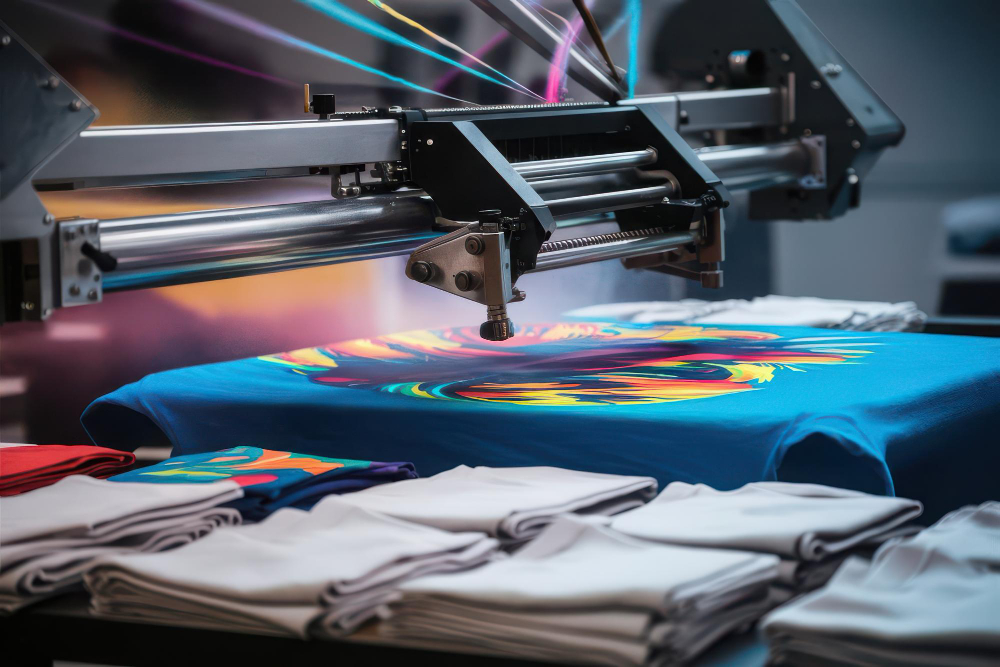
DTF (Direct-to-Film) printing involves a fascinating and innovative technique that departs significantly from traditional garment printing methods. At the heart of DTF printing is the process of creating quality prints on special films using unique DTF inks that are specifically designed for vibrancy and detail. The first phase of this process starts with printing vibrant images onto transfer films, allowing for a superb range of hues that can be achieved. This process not only delivers high-quality visuals but also ensures that even intricate designs are captured with precision, setting DTF apart as a truly modern garment decoration method.
Following the printing of the design, a heat-sensitive adhesive powder is applied to the film, which is a crucial step that enhances the bonding process between the fabric and the printed design. The combination of heat and pressure during the transfer process activates the adhesive, ensuring that the design adheres securely to a variety of materials, such as cotton or polyester. This makes DTF printing incredibly versatile, offering custom apparel creators an efficient way to produce durable designs that last through numerous washes and wears.
Benefits of DTF Transfers Over Traditional Methods
The advantages of DTF transfers greatly overshadow many traditional garment printing techniques, primarily due to their durability and cost-effectiveness. DTF prints are renowned for their exceptional longevity; they can withstand multiple washes without fading or cracking, a distinct advantage over methods like screen printing or heat transfer vinyl. This longevity ensures that custom apparel not only looks fantastic initially but continues to impress over time, making it a favorite for custom orders where quality cannot be compromised.
Moreover, the cost-effectiveness of DTF printing is significant, especially for small businesses and for those undertaking short runs of custom designs. The DTF process eliminates many of the setup costs associated with traditional printing methods, allowing creators to offer competitive pricing for their custom apparel. As such, DTF serves as a practical solution for businesses that seek to diversify their product lines while maintaining budget-friendly operations.
The Versatility of DTF Printing Technology
One of the standout features of DTF printing technology is its unparalleled versatility when it comes to fabric compatibility. DTF transfers can be used effectively across an extensive variety of materials, including cotton, polyester, blends, and even some types of non-textile surfaces. This capability allows designers to experiment freely, catering to wider audiences with diverse fabric preferences for their custom apparel.
Additionally, the flexibility of the DTF printing process facilitates the creation of elaborate designs and color mixtures without the constraints commonly associated with traditional garment printing methods. This adaptability empowers professionals to pursue creative freedom in their custom projects, elevating their designs to range from simple logos to complex artworks, thereby appealing to an extensive customer base seeking personalized fashion.
Recent Advancements in DTF Transfer Technology
The DTF printing sector has recently witnessed remarkable innovations that further heighten the efficiency and quality of its processes. Breakthroughs in printing technology and the introduction of more sustainable inks have not only improved the standard of prints but also contributed positively to reducing the environmental footprint of the garment printing industry. This shift towards greener options resonates with contemporary consumers who increasingly demand eco-friendly practices in fashion.
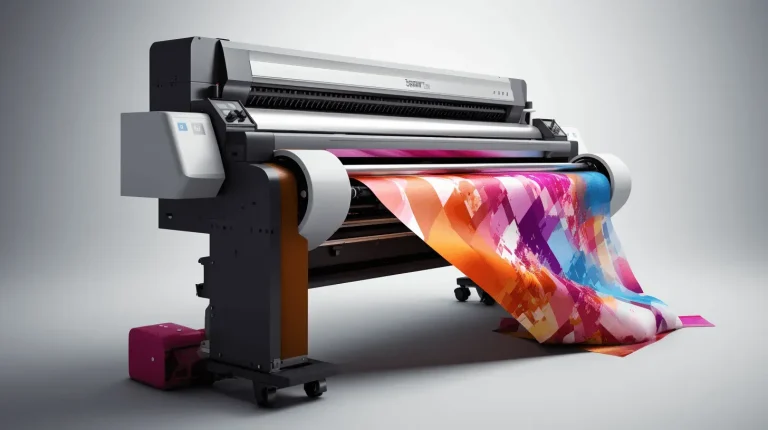
Simultaneously, the accessibility of DTF printers and consumables has dramatically increased. As more suppliers enter the market, businesses from all sizes find it easier than ever to implement DTF transfers into their operations. With simplified access to high-quality films, inks, and printers, even smaller enterprises can now explore DTF capabilities to fulfill their custom apparel demands effectively. This democratization of DTF technology marks a pivotal step in shaping the future of garment printing.
DTF Transfers and Their Impact on the Custom Apparel Industry
DTF transfers have made a significant impact on the custom apparel industry, shaping the way designers and businesses think about fabric printing. By offering exceptional turnaround times and enabling diverse design options without substantial investment, DTF is transforming the traditional landscape. This technique facilitates customization at scale, allowing small shops and larger brands alike to explore their creative potential without the heavy overhead typically associated with other printing methods.
Furthermore, businesses utilizing DTF transfers can meet the demands of fast-paced markets that require trendy graphics and rapid production times. This responsiveness to changing fashion trends positions companies that adopt DTF technology at the forefront of their industries, ensuring they remain competitive and relevant. As customer preferences shift towards personalized and unique apparel, DTF printing perfectly aligns with the aspirations of modern consumers.
Why Choose DTF Transfers for Your Printing Needs?
Choosing DTF transfers for your printing needs is a decision that pays off in numerous ways. The unique characteristics of DTF printing make it an ideal solution for a range of applications, from custom apparel to promotional items. The method’s reliability, ease of use, and stunning print quality are compelling reasons for businesses to reconsider traditional printing techniques in favor of this innovative approach.
Moreover, the ability to produce low volumes of high-quality prints makes DTF an attractive option for startups or businesses testing the waters with custom designs. With the potential to create visually striking and durable products, companies can effectively establish their brand identity while adhering to cost dictates. The convenience of DTF printing allows for real-time responsiveness to market trends, helping businesses thrive in a competitive landscape.
Frequently Asked Questions
What are DTF Transfers and how do they work?
DTF Transfers, or Direct-to-Film transfers, involve printing designs onto specific film using specially formulated inks. The process includes printing the design, applying a heat-sensitive adhesive, and then heat pressing the film onto the fabric. This method results in vibrant, durable prints that adhere well to various garment materials.
Why should businesses consider using DTF printing for custom apparel?
Businesses should consider DTF printing for custom apparel due to its cost-effectiveness, especially for short runs. The DTF process allows for vibrant colors and sharp details, making it ideal for eye-catching designs. Additionally, its durability ensures that prints withstand multiple washes without fading or cracking.
What types of fabrics are compatible with DTF transfers?
DTF transfers are compatible with a wide range of fabrics, including cotton, polyester, and various blends. This versatility allows businesses to cater to different garment needs, making DTF a preferred choice for custom apparel production.
What are the key advantages of DTF transfers over traditional printing methods?
The key advantages of DTF transfers over traditional methods include better durability, color vibrancy, and a simplified application process. DTF prints can withstand wear and tear better, providing a longer-lasting product compared to standard screen printing or heat transfer vinyl.
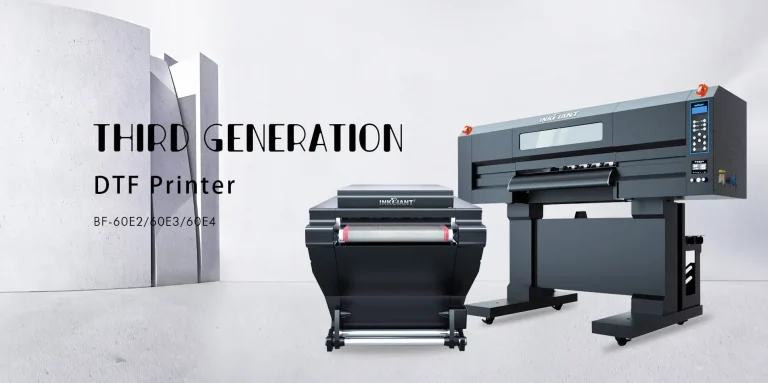
How do I choose the right DTF printer for my business?
Choosing the right DTF printer for your business involves considering factors such as print quality, speed, and compatibility with different transfer films and inks. Additionally, evaluate the availability of supplies, support resources, and the overall cost-effectiveness of the printer to meet your specific printing needs.
What recent innovations have impacted the DTF printing process?
Recent innovations in DTF printing have included enhanced printing technology and sustainable ink options, improving print quality and reducing environmental impact. There has also been an increase in the availability of DTF printers and materials, making it easier for businesses to adopt this technology in their garment printing operations.
| Key Points | Description |
|---|---|
| What are DTF Transfers? | DTF transfers involve printing designs onto a special film with pigmented inks, differentiating it from screen printing and heat transfer vinyl methods. |
| How DTF Works | The process involves printing a design on film, applying heat-sensitive adhesive, transferring the design to fabric with heat, and ensuring compatibility with various materials. |
| Benefits of DTF Transfers | DTF transfers are durable, produce vibrant colors, are cost-effective, and are user-friendly, making them suitable for businesses of all sizes. |
| Recent Innovations | Advancements in DTF technology and increased supply availability are making it easier for small businesses to adopt DTF printing. |
Summary
DTF Transfers have revolutionized the garment printing industry, offering a unique and efficient way to create vibrant and durable designs on various fabrics. Their innovative approach combines simplicity, cost-effectiveness, and high-quality results, making them increasingly popular among businesses looking to enhance their product offerings. With their ability to withstand washing and retain color, DTF transfers not only provide excellent value but also open new avenues for creativity in custom apparel. As technology evolves, the potential for DTF Transfers to continue transforming the industry remains bright, promising exciting opportunities for both seasoned professionals and newcomers alike.