DTF Transfers: Revolutionizing Custom Apparel and Merchandise
In the ever-evolving world of custom apparel, **DTF transfers** are making waves with their innovative approach to printing. This cutting-edge technology, known as Direct-to-Film printing, enables the creation of stunning designs on special film that can be easily transferred onto a variety of fabrics with just the application of heat. Unlike traditional printing methods, DTF transfers combine artistic flair with practicality, opening new avenues for creativity in merchandise printing. As consumers increasingly seek personalized clothing options, DTF provides a solution that caters to their desire for unique and vibrant apparel. This remarkable advancement in fashion technology not only enhances production efficiency but also elevates the overall quality of custom merchandise, making DTF a frontrunner in the industry.
When discussing modern printing techniques, terms like Direct-to-Film (DTF) printing, film transfer printing, and custom print applications come into play. These methods focus on the seamless integration of intricate designs onto various fabrics, revolutionizing how personalized clothing is made. With the advancement of fashion technology, the demand for innovative solutions in merchandise printing has surged, pushing the boundaries of traditional methods. Consumers are eager for custom apparel that reflects their individual style, and businesses must adapt to meet these expectations. This growing trend highlights the importance of efficient and versatile printing techniques that not only provide quality but also speak to the customization desires of today’s shoppers.
What Are DTF Transfers?
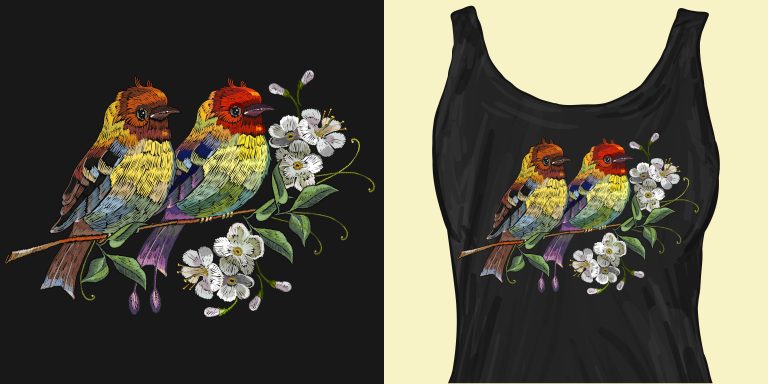
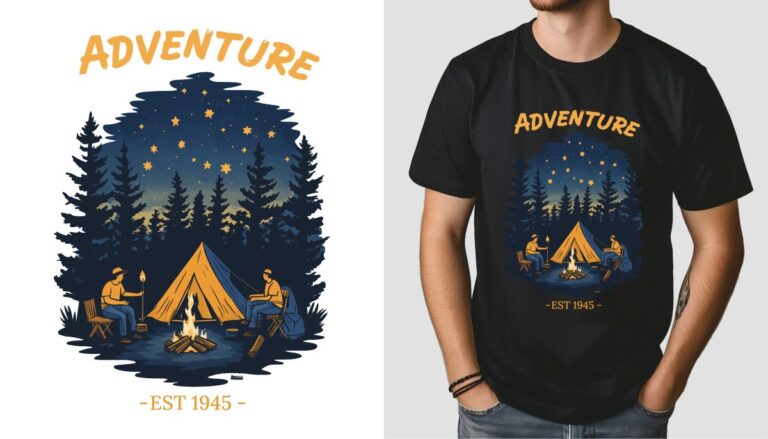
Direct-to-Film (DTF) transfers represent a cutting-edge approach to custom apparel printing. This innovative method involves transferring intricate designs onto film sheets, which are then heat-pressed onto fabrics. The technology allows for vibrant color reproduction and exceptional detail, making it an excellent option for merchandise printing. Compared to traditional techniques such as screen printing, DTF transfers sequence the printing and transfer process with high efficiency and clarity, providing a seamless solution for businesses looking to create personalized clothing.
Understanding DTF transfers is essential for anyone in the custom apparel industry, as it combines creativity with practicality. Unlike other printing methods, DTF can adhere to various fabric types, catering to a wide range of products from t-shirts to hoodies. This versatility not only broadens the scope of merchandise but also appeals to diverse consumer preferences, positioning DTF as a preferred choice among fashion technology innovations.
The Growing Market Demand for DTF Printing
The market for DTF printing is witnessing a remarkable surge, with forecasts projecting a 25% growth rate from 2023 to 2028. The increasing consumer preference for unique and customized apparel has fueled this demand, as more brands strive to offer personalized clothing options. With advancements in DTF technology making the process more accessible, small businesses and startups are diving into the custom apparel space, aiming to meet the evolving tastes of today’s fashion-forward consumers.
Furthermore, this growth is not only driven by consumer interest but also by the operational advantages DTF transfers offer. The affordability and ease of setup compared to screen printing mean that businesses can innovate quickly and meet market demands with less financial risk. As a result, the DTF printing sector is positioning itself as a crucial player in the overall custom apparel market.
Benefits of Using DTF Printing for Custom Apparel
The advantages of DTF transfers are extensive, making them a leading choice for custom apparel. One of the most notable benefits is their versatility, allowing for printing on different materials such as cotton, polyester, and even blends. This adaptability means that brands can create a variety of products, from apparel to accessories, catering to various tastes and preferences. As consumer demand shifts more towards personalized clothing, DTF’s capacity to efficiently handle different fabric types becomes increasingly valuable.
Another significant benefit of DTF printing is durability. Designs created with this technology are known for their longevity, maintaining quality over numerous washes, which is a critical factor for customers seeking reliable merchandise. This resilience ensures customer satisfaction and repeat business, essential elements for retailers aiming to establish strong brand loyalty in a competitive market.
Sustainability and Environmental Considerations in DTF Printing
As sustainability becomes a primary concern for consumers, DTF printing stands out for its environmentally friendly approach. Unlike traditional screen printing, which often involves significant waste and harmful chemicals, DTF technology minimizes both through efficient material usage and reduced energy consumption. By adopting DTF transfers, businesses can showcase their commitment to sustainability, appealing to eco-conscious consumers who prioritize responsible purchasing.
Moreover, the reduced carbon footprint associated with DTF printing aligns perfectly with the growing trend towards sustainable fashion. Companies that focus on eco-friendly production methods not only contribute positively to the environment but also differentiate themselves in the marketplace. As consumers increasingly look for brands that share their values, the importance of sustainability in custom apparel cannot be overstated.
Innovations in DTF Printing Technology
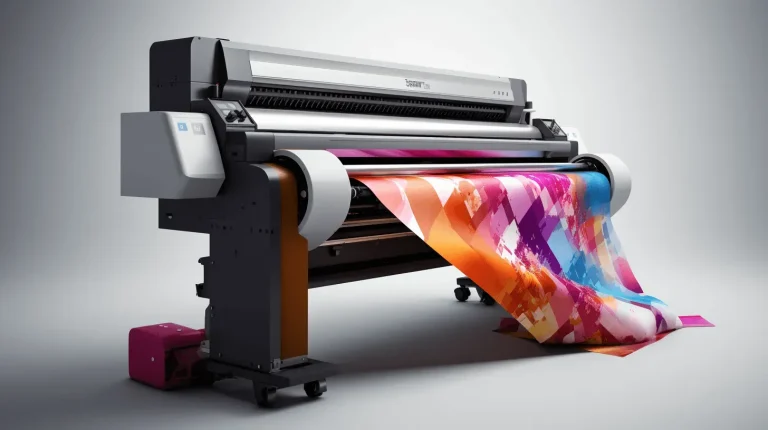
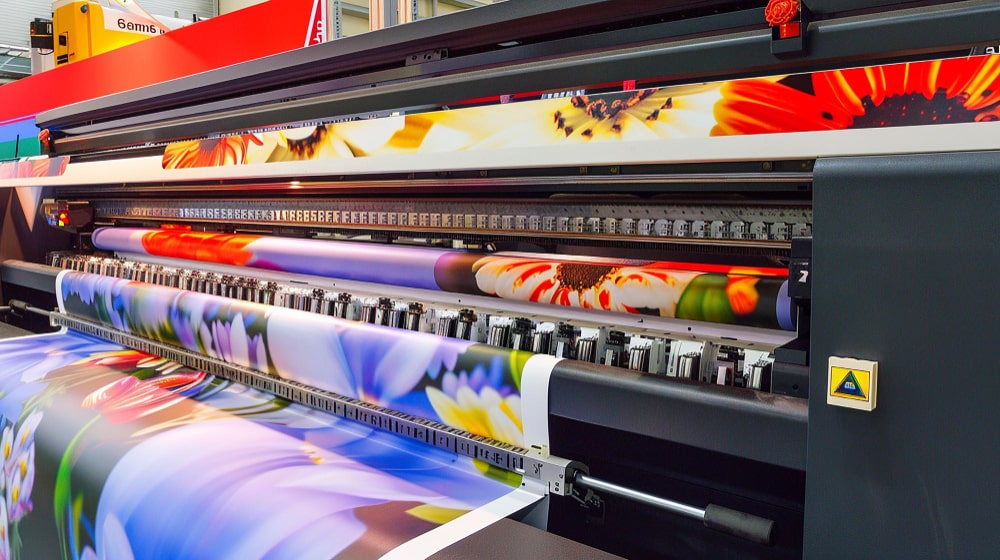
The realm of DTF printing technology is evolving rapidly, with recent innovations significantly enhancing print quality and production speed. New DTF printers are equipped with advanced features that streamline the printing process while ensuring high-resolution output. This technological advancement not only satisfies consumer expectations for detail and quality but also positions businesses to thrive in an ever-competitive landscape.
With continuous improvements in printing technology, DTF can now produce intricate designs that were previously difficult to achieve with traditional methods. As brands harness these innovations, they can offer stunning, customization-rich products that captivate consumers. Such advancements ensure that DTF transfers remain at the forefront of the custom apparel industry, paving the way for future developments in fashion technology.
Embracing the Future of Fashion with DTF Transfers
DTF transfers are revolutionizing the custom apparel landscape, embodying the confluence of creativity, efficiency, and sustainability. As the demand for personalized clothing grows, businesses embracing DTF technology can remain competitive by offering unique and high-quality products. This dynamic approach not only caters to the evolving consumer desires but also fosters a culture of innovation within the industry.
The adoption of DTF printing signifies a shift towards more responsive and consumer-driven fashion. As brands leverage the benefits of DTF, they position themselves to capitalize on emerging trends, ensuring their relevance in a fast-paced market. Looking toward the future, DTF transfers promise to usher in new possibilities for customization, solidifying their role as a cornerstone of fashion technology.
Frequently Asked Questions
What are DTF transfers and how do they work in custom apparel?
DTF transfers, or Direct-to-Film transfers, utilize a unique printing process where designs are printed onto a special film, coated with adhesive powder, and then applied to fabric using heat. This innovative technique allows for vibrant and detailed printing on various fabric types, making it an excellent choice for custom apparel.
How does DTF printing compare to other printing methods for merchandise printing?
DTF printing offers several advantages over traditional methods like screen printing and DTG printing, including lower setup costs, faster production times, and the ability to print on a wider variety of fabrics. This versatility makes DTF the preferred choice for many businesses in the merchandise printing landscape.
Can DTF transfers be used on all types of clothing and materials?
Yes, DTF transfers can be used on a wide range of materials including cotton, polyester, and blends. This versatility allows for the printing of stunning designs on various apparel items such as t-shirts, hoodies, and even accessories.
What benefits do DTF transfers offer in creating personalized clothing?
DTF transfers provide numerous benefits for creating personalized clothing, including high-quality, durable designs that withstand multiple washes. The cost-effective nature of DTF printing also allows businesses to offer unique designs without the high initial investment typical of other printing methods.
How does DTF printing contribute to sustainability in the fashion technology industry?
DTF printing contributes to sustainability by reducing waste through efficient material usage and requiring less energy during production compared to traditional methods. This eco-friendly approach appeals to environmentally conscious consumers seeking sustainable fashion options.
What innovations are driving the growth of DTF printing in the custom apparel market?
Recent innovations in printing technology have significantly enhanced the quality and efficiency of DTF printing. Newer printers enable high-resolution prints and faster production times, making DTF transfers a competitive option within the custom apparel market, as they continue to deliver exceptional quality and detail.
| Key Point | Details |
|---|---|
| What are DTF Transfers? | A printing method that transfers designs from a film onto fabric using heat. |
| Advantages | Vibrant color reproduction, durability, and cost efficiency. |
| Materials | Can print on cotton, polyester, and blends, making it versatile for various apparel types. |
| Market Growth | Expected CAGR of 25% from 2023 to 2028, driven by its advantages over traditional methods. |
| Consumer Demand | Growing emphasis on unique and personalized designs among younger demographics. |
| Environmental Impact | DTF is viewed as more sustainable, minimizing waste and energy use compared to traditional methods. |
| Technological Innovations | Advancements in DTF printing technology are improving quality and efficiency in production. |
Summary
DTF transfers are reshaping the custom apparel industry by providing a unique blend of versatility, durability, and cost-effectiveness. This innovative printing technique is not only fulfilling the growing consumer demand for personalized apparel but is also addressing sustainability concerns by minimizing waste and energy use. As the market for DTF transfers continues to expand, it is becoming increasingly important for businesses in the fashion industry to adopt this technology to stay competitive and meet the evolving preferences of consumers. With ongoing advancements in DTF technology, the future holds even greater potential for creative expression in apparel design.