DTF Transfers: Step-by-Step Guide to Create Stunning Designs
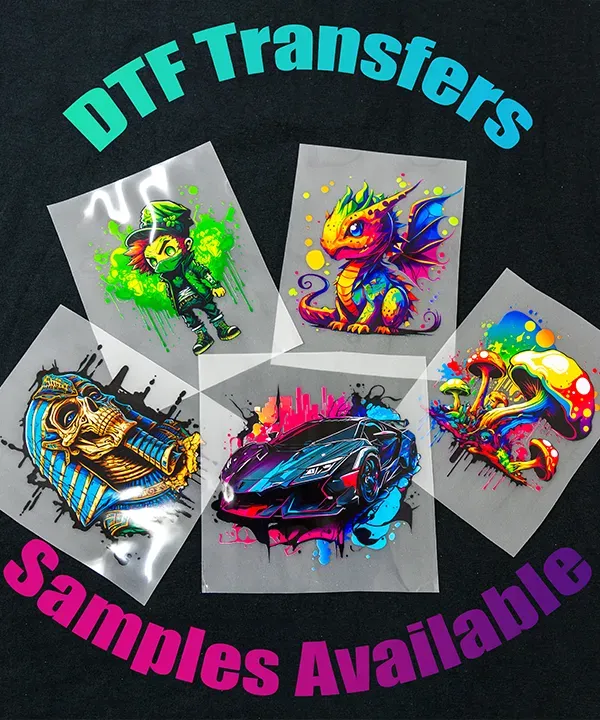
DTF transfers, or Direct to Film transfers, have quickly become a favorite among DIY enthusiasts and home crafters looking to make their mark on fabric items. This innovative technique not only allows you to create vibrant and detailed designs, but it also simplifies the printing process for customized apparel and accessories. In this guide, we will delve into how to create DTF transfers that can elevate your home crafting projects, ensuring that you achieve professional-quality results at home. Discover the step-by-step DTF printing process that turns your creative ideas into stunning DIY fabric transfers. Get ready to unleash your artistic flair as we explore the magic of DTF transfer printing!
Direct to Film transfers represent an exciting evolution in the realm of fabric customization, offering an efficient alternative for creating personalized designs. Known for their bright colors and remarkable detail, these transfers are the go-to choice for anyone interested in crafting their own unique apparel or accessories. With the right tools and a little guidance, you can master the art of DIY fabric transfers, transforming ordinary items into extraordinary personalized statements. In this discussion, we’ll uncover the essentials of DTF transfer printing, a powerful method that can elevate your home crafting experiences. Let’s embark on this creative journey and discover the endless possibilities that await!
Gathering Materials for DTF Transfers
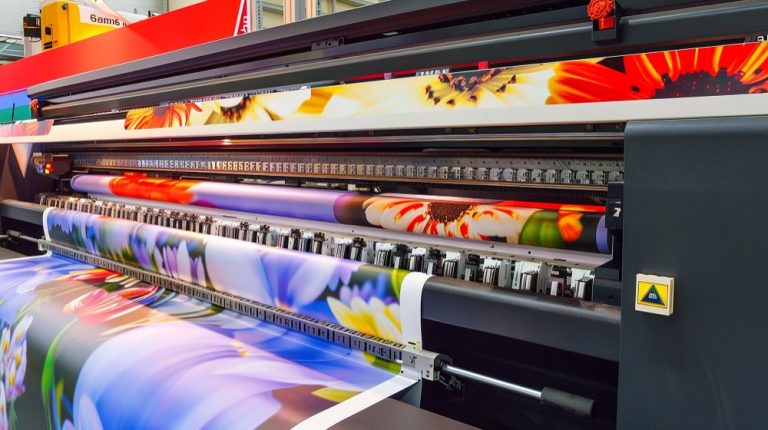
Before you embark on creating DTF transfers at home, it’s crucial to gather all necessary materials to ensure a smooth process. The key components include a DTF printer designed for specialized film printing, DTF inks that deliver the vibrant colors you desire, and DTF films that serve as the canvas for your designs. Additionally, you’ll need a powder adhesive to bond the print to the fabric, and a heat press or iron to complete the transfer effectively. Having these materials ready will not only streamline your workflow but also enhance the quality of your finished products.
Ensure that the DTF printer you choose is compatible with the inks you plan to use, as this will impact both the quality of the print and the longevity of your designs. Invest a bit of time in researching the best brands that cater to your crafting needs, as these materials play a vital role in achieving professional-looking results at home. Preparing your workspace with these essentials in mind will set the foundation for a delightful DIY experience.
Understanding the DTF Printing Process
The DTF printing process is a creative marvel that allows crafters to replicate intricate designs with ease. It begins with designing your artwork on graphic design software, where you can unleash your creativity. After creating your design, you must ensure it is mirrored before printing, ensuring the final outcome appears correctly on the fabric. This essential step prevents any misunderstandings with design orientation, making it paramount for successful transfers.
Once your mirrored design is printed onto the DTF film, the next step involves applying powder adhesive while the print is still moist. This adhesive acts as a bonding agent when heat is applied, ensuring that your vibrant design adheres firmly to your chosen fabric. The curing process that follows, which involves using heat to set the adhesive, is vital in ensuring the durability and quality of the transfer, making understanding this entire process essential for every DIY enthusiast.
Designing Artwork for DTF Transfers
Creating eye-catching artwork is one of the most exciting parts of making DTF transfers. Utilizing graphic design software allows you to craft unique designs tailored to your personal style or specific needs. Whether you’re designing for a personal project or making items to sell, pay attention to color selection, typography, and layout to ensure a visually appealing outcome. The goal is to ensure that your artwork translates well onto fabric, which means considering the limitations of the printing process and the material properties of your chosen fabric.
As you prepare your design for printing, remember that the digital format matters. Save your final artwork in high-quality formats like PNG or PDF to maintain the detail and clarity of your design. The precision in your design will directly affect the quality of the DTF transfer, so take the necessary time to refine details and ensure that everything is just as you envision. The more effort you put into the design phase, the more impressive your final product will be.
Steps to Print Your DTF Design
Once your design is finalized, printing it is the next crucial step in the DTF transfer process. Load your DTF film into your printer and adjust the printer settings according to the manufacturer’s instructions. It’s important to ensure you are using the right DTF inks, as standard inks may not adhere properly to the film. After printing, check for any discrepancies in color or vibrancy before proceeding, as the quality of your print is the foundation of a successful transfer.
Before you hit ‘print’, remember that proper maintenance and calibration of your printer can prevent a multitude of issues. Regularly cleaning the print heads and ensuring that your inks are fresh will result in higher quality prints. After printing, allow the ink to dry slightly before applying powder adhesive, as working with wet ink is crucial for ensuring that the adhesive bonds effectively to the ink and the film.
Applying Powder Adhesive: Key Techniques
Applying powder adhesive is a vital step in the DTF transfer process that ensures your design adheres to the fabric appropriately. Right after printing, take care to sprinkle the powder evenly over the wet print. It’s essential to cover the entire design for the best results, as any missed spots could lead to uneven transfer. Mastering this technique can drastically enhance the quality of your finished products, making it worth dedicating time to perfect.
Shake off any excess powder gently, as it’s important not to disturb the adhesive that’s sitting on the printed design. The even coverage should help you achieve a vibrant and durable transfer. This step can often be overlooked by beginners, leading to subpar results. Additionally, consider conducting a test run with smaller designs, giving you the opportunity to refine your technique before launching into larger projects.
Finalizing Your DTF Transfer: Cooling and Finishing Touches
Once your DTF print is cured and you’ve successfully transferred it to your fabric, allowing it to cool is a critical phase before peeling off the film. This step ensures that the bond between the ink and the fabric sets properly, which increases the durability of your design. The anticipation as you peel off the film can be exhilarating, revealing the vibrant artwork that you’ve worked so hard to create.
For an added finishing touch, consider placing a protective layer over your design and giving it a brief press. This final step can help ensure that the transfer is not only smooth but also set for longevity. By following these practices, you can elevate your home crafting experience, ensuring that your DTF transfers not only look stunning but also withstand the test of time.
Frequently Asked Questions
What are DTF transfers and how do they work?
DTF transfers, or Direct to Film transfers, are a method of printing designs onto special film sheets using DTF inks, which are then heat-transferred onto fabric. This process involves printing your design on a film, applying a powder adhesive, curing it, and finally transferring it to your desired fabric with heat.
How to create DTF transfers at home?
To create DTF transfers at home, gather the necessary materials like a DTF printer, DTF inks, DTF films, powder adhesive, and a heat press. Design your artwork in graphic software, print it onto the film, apply adhesive, cure the print, and use a heat press to transfer the design onto fabric.
What is the DTF printing process?
The DTF printing process involves several steps: designing artwork in software, printing on DTF film with specially formulated inks, applying a powder adhesive, curing the printed film, and finally transferring the design onto the fabric using heat.
Can I use DTF transfers for DIY fabric projects?
Absolutely! DTF transfers are perfect for DIY fabric projects. They allow you to easily transfer vibrant designs onto various fabrics like t-shirts, tote bags, and more, making them a great option for home crafting DTF transfers and personalized gifts.
What materials do I need for DTF transfer printing?
For DTF transfer printing, you will need a compatible DTF printer, DTF inks, transparent DTF films, powder adhesive, a heat press or iron, and transfer paper to complete your projects effectively.
What are the care instructions for fabrics printed with DTF transfers?
To maintain DTF transfers, wash the fabric inside-out to protect the design, avoid using bleach or harsh detergents, and when ironing, place a cloth over the design to prevent direct heat contact. Following these care instructions will help prolong the lifespan of your DTF transfers.
| Key Point | Description |
|---|---|
| Introduction | DTF transfers allow DIY enthusiasts to create personalized and vibrant designs on fabric. |
| Focus Keywords | Focus Keyword: DTF transfers; Related Keywords: how to create DTF transfers, DTF printing process, etc. |
| Materials Required | DTF Printer, DTF Inks, DTF Films, Powder Adhesive, Heat Press or Iron, Transfer Paper. |
| Steps in Creation | Gather materials, design artwork, print, apply adhesive, cure the print, transfer to fabric, peel and finish. |
| Care Instructions | Wash inside-out, avoid bleach, and use a cloth when ironing to protect designs. |
Summary
DTF transfers are an innovative way to personalize and elevate your crafting projects. With the ability to create stunning designs right in your own home, DTF transfers empower you to explore your creativity while adding a unique touch to your fabrics. By following the outlined process, you can produce vibrant and detailed transfers that truly reflect your personal style. Embrace the convenience and endless possibilities that come with DIY DTF transfers, whether for personal use or as unique handmade gifts. Harness your imagination and transform ordinary fabric into extraordinary art!