DTF Transfers: The Ultimate Guide for Custom Apparel Printing
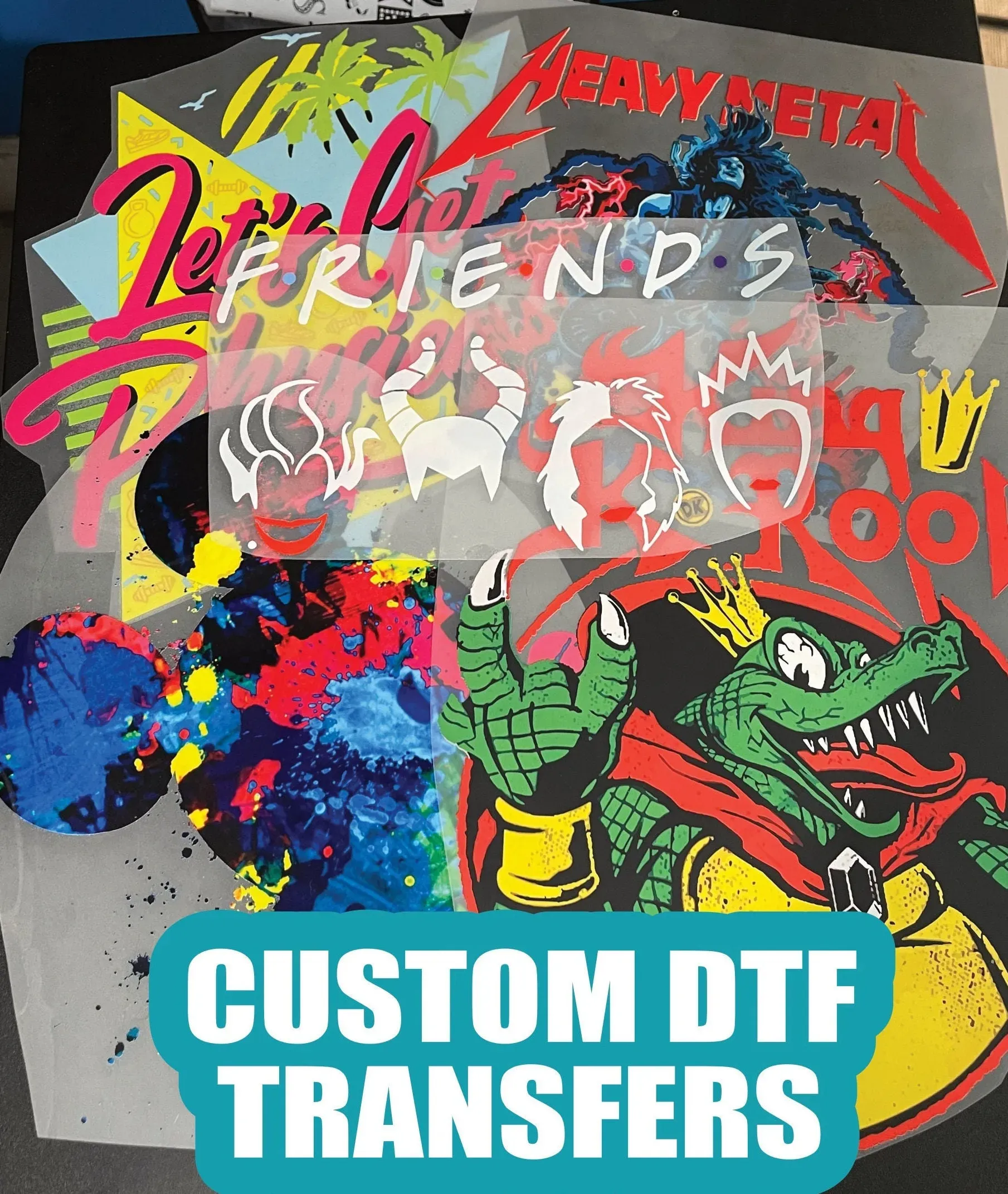
In the dynamic realm of custom apparel printing, DTF transfers, or Direct-to-Film transfers, are revolutionizing how designs are applied to fabrics. This innovative heat transfer technology offers a unique approach by printing designs onto a specialized film, which is then transferred onto garments, resulting in striking, vibrant fabric prints. As DTF printing continues to gain traction among businesses and creative individuals alike, its ability to produce durable and high-quality results makes it an attractive option in the market. This guide explores the essentials of DTF transfers, shedding light on their benefits, application techniques, and the latest industry advancements. Dive into this comprehensive overview and discover how you can leverage DTF technology for your custom apparel needs.
Direct-to-Film transfers, commonly referred to as DTF printing, represent a cutting-edge method in the world of fabric printing, allowing for stunning and resilient prints on various textiles. Known for their versatility, these heat transfer methods adeptly cater to a wide range of fabric types, making them a go-to solution for custom apparel printing. The process of applying vibrant images onto fabrics through DTF technology not only enhances creativity but also ensures that the prints remain intact even after multiple washes. As the demand for high-quality, custom designs continues to rise, exploring the ins and outs of DTF transfers and their applications opens up new avenues for both brands and artisans alike. Join us as we delve into the intricacies and advantages of this innovative printing technique.
Understanding the Basics of DTF Printing
Direct-to-Film (DTF) printing has revolutionized the custom apparel printing industry by offering a method that combines quality with efficiency. Unlike traditional printing methods, DTF involves printing designs on a specialized film, which is then heat transferred onto the fabric. This process produces vibrant colors and detailed images, making it an ideal choice for creating unique apparel with intricate designs. By utilizing advanced heat transfer technology, DTF printing ensures that the prints are not only visually appealing but also durable, providing long-lasting results that can withstand the rigors of daily wear.
The versatility of DTF printing extends to various fabric types, making it suitable for apparel ranging from cotton t-shirts to polyester hoodies. One of the standout features of DTF technology is its ability to maintain high-quality prints across different materials without compromising on color vibrancy and detail. The process allows for a broad spectrum of colors and patterns, providing endless possibilities for customization. As demand for personalized apparel continues to grow, understanding the mechanics of DTF printing becomes essential for those looking to excel in the custom apparel industry.
Benefits of Using DTF Transfers
One of the primary benefits of DTF transfers is their exceptional print quality, which is unmatched by many traditional methods. DTF printing enhances the vibrancy of colors, allowing designs to pop and stand out on a variety of fabrics. This not only makes garments visually appealing but also elevates the overall quality of the finished product. Additionally, DTF prints are known for their durability; they resist cracking and fading, ensuring that the designs remain intact even after multiple washes. This durability makes DTF a smart investment for businesses looking to provide high-quality apparel.
Cost-effectiveness is another significant advantage of using DTF transfers, especially for small runs and custom orders. Unlike screen printing, which often incurs high setup fees, DTF printing can be performed quickly and with minimal overhead, making it accessible for individual creators and small businesses. This streamlined process reduces production costs, allowing for competitive pricing in the market without sacrificing quality. As such, DTF printing opens the door to a more diverse range of consumers, from hobbyists to professional apparel manufacturers.
The Process of Creating Custom DTF Transfers
Creating custom DTF transfers involves a systematic approach that requires careful attention to detail to achieve the best results. The first step is designing your artwork using graphic design software, which should be done at high resolution to ensure clarity and reduce pixelation after printing. Once the design is finalized, it is printed onto DTF film using specific inks compatible with DTF technology. This initial stage is crucial, as the quality of the print directly impacts the final product.
Following the printing phase, the application of adhesive powder is essential. Sprinkling the adhesive powder over the wet ink allows for a successful bond during the heat transfer process. The film is then cured to secure the adhesive, and finally, it is placed onto the garment and heat pressed to permanently affix the design. This multi-step process not only highlights the intricacies of DTF transfers but also underscores the precision required to achieve vibrant fabric prints that are both beautiful and durable.
The Versatility of DTF Technology
DTF printing stands out in the custom apparel sector due to its remarkable versatility. Unlike other printing methods that may be restricted to specific types of fabric, DTF technology can effectively print on a variety of materials, including cotton, polyester, and blended fabrics. This adaptability makes it an ideal choice for a diverse range of applications, from casual wear to more specialized garments. As the demand for unique and custom apparel grows, DTF transfers are positioning themselves as a go-to solution for brands looking to diversify their offerings.
Furthermore, DTF transfers can be used for both large-scale production and small, custom orders, addressing the needs of businesses of all sizes. The ability to produce vibrant, high-quality prints without the limitations of minimum batch sizes allows small businesses and entrepreneurs to enter the market with confidence. As fashion trends continue to shift towards more personalized options, the versatility and practicality of DTF technology will likely propel its adoption within the custom apparel printing industry.
Recent Innovations in DTF Printing
The DTF printing landscape is constantly evolving, with key players in the market introducing innovative products that enhance printing capabilities. For instance, companies like Sam’s DTF Transfers are leading the charge by offering bespoke services that cater to a wide variety of customer needs. Their commitment to continual improvement and quality production ensures that they remain competitive in an ever-changing industry. As advancements in heat transfer technology continue to emerge, DTF printing is set to experience further growth and refinement.
Insta Graphic Systems has also made significant strides with their introduction of new DTF heat transfer products that prioritize color vibrancy and durability. Their efforts to push the boundaries of traditional printing techniques reflect a broader trend within the industry toward more robust, dependable print solutions. With each innovation, the potential of DTF technology is being realized, paving the way for even more possibilities in custom apparel design and production.
The Future of DTF Transfers in Custom Apparel
As the custom apparel industry grows, DTF transfers are poised to play a pivotal role in shaping its future. The combination of high-quality, vibrant prints with the ease of application positions DTF technology as an essential tool for creators and businesses alike. With ongoing research and development efforts aimed at increasing efficiency and enhancing print quality, DTF printing is likely to expand beyond its current applications, tapping into new markets and opportunities.
Moreover, as consumer preferences shift toward personalized and unique apparel, the potential for DTF transfers to meet these demands becomes increasingly apparent. The accessibility of DTF technology empowers small businesses and independent artists to produce professional-quality garments that resonate with their audience. This democratization of print technology ensures that the future of custom apparel will be as diverse and dynamic as the creators behind it, with DTF transfers leading the way in innovation and creativity.
Frequently Asked Questions
What are the key advantages of using DTF transfers in custom apparel printing?
DTF transfers offer several advantages in custom apparel printing, including vibrant colors, durability that resists cracking and fading, and versatility across various fabric types. This heat transfer technology allows for high-quality prints that can withstand multiple washes, making it an appealing choice for both businesses and creators looking to produce long-lasting products.
Can you explain the process of creating DTF transfers for custom designs?
Creating DTF transfers involves several steps: design creation using graphic software, printing on DTF film with compatible inks, applying adhesive powder to the wet ink, curing the film in heat, and then transferring the design onto the garment with a heat press. This method results in vibrant fabric prints that adhere securely and last over time.
How do DTF transfers compare to other heat transfer methods in terms of durability?
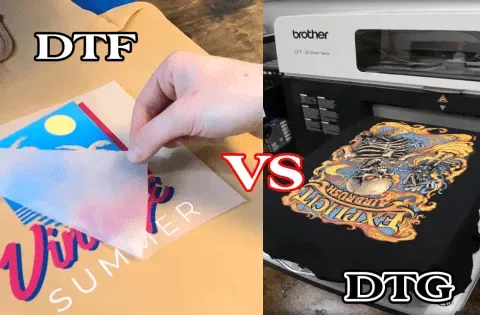
DTF transfers are often more durable than other heat transfer methods such as traditional heat transfer vinyl or DTG printing. This is due to the chemical composition and bonding process that occurs during application, providing resistance against wear and maintaining vibrant colors after multiple washes.
What types of fabrics work best with DTF printing technology?
DTF printing technology is highly versatile and works well on various fabric types, including cotton, polyester, and blends. This adaptability allows for a wide range of applications, making DTF transfers suitable for custom apparel printing across t-shirts, hoodies, and other fabric items.
What recent advancements in DTF technology are influencing its use in custom apparel printing?
Recent advancements in DTF technology include innovations from industry leaders like Sam’s DTF Transfers and Insta Graphic Systems, which focus on enhancing print quality, durability, and user experience. These developments are expanding the capabilities of DTF heat transfer technology and accommodating a growing demand for high-quality custom apparel.
Are DTF transfers a cost-effective solution for small production runs in custom apparel?
Yes, DTF transfers are generally cost-effective for small production runs. Unlike screen printing, which incurs significant setup fees, DTF printing allows for lower production costs while providing high-quality prints, making it an attractive option for businesses looking to produce small quantities without compromising on quality.
| Key Point | Description |
|---|---|
| Introduction | DTF transfers are a modern method for custom apparel printing that has gained popularity for its high-quality results. |
| What are DTF Transfers? | A process where designs are printed onto a film and then heat-applied to fabric, resulting in vibrant prints. |
| Benefits of DTF Transfers | Includes high quality, durability, versatility, and cost-effectiveness for small production runs. |
| Recent Developments | Innovations from companies like Sam’s DTF Transfers and Insta Graphic Systems enhance printing performance. |
| Creating Custom DTF Transfers | Steps include design creation, printing, powder application, curing, heat transfer, and peeling. |
Summary
DTF transfers offer a remarkable solution for those looking to enter the world of custom apparel printing with prints that are not only vibrant but also highly durable. The unique fabric compatibility of DTF technology makes it applicable for numerous textile types, reinforcing its popularity among businesses and hobbyists alike. As leaders in the industry, like Sam’s DTF Transfers and Insta Graphic Systems, continue to push the boundaries of what’s possible, it’s clear that DTF transfers are paving the way for future innovations in print quality and efficiency. Engaging with this technology means embracing the potential for growth in a competitive landscape, and it’s essential for anyone involved in custom apparel to stay informed about the latest advancements in DTF technology.