DTF transfers tips for vibrant, washable results worldwide
DTF transfers tips can dramatically improve the vibrancy and longevity of designs on apparel, making once-complex workflows feel straightforward and repeatable for teams of all sizes. By choosing the right film, adhesive, and printer settings, you set the stage for high fidelity color management when doing DTF printing on fabric, a technique that scales from hobby projects to production lines, and a solid foundation for consistent output. Push for washable DTF transfers by calibrating your underbase, color layers, and curing times to maintain vibrant DTF colors and ensure the prints resist cracking and fading through repeated washes, a key requirement for retail and workwear. Keep the design simple where possible, use vector outlines for text, and manage soft gradients to retain clear edges and reduce color bleeding on both light and dark fabrics, while documenting tolerances for different substrates. Finally, document every parameter, perform small test runs, and share DTF transfer tips with your team to build a reliable, scalable production workflow that you can reproduce across projects.
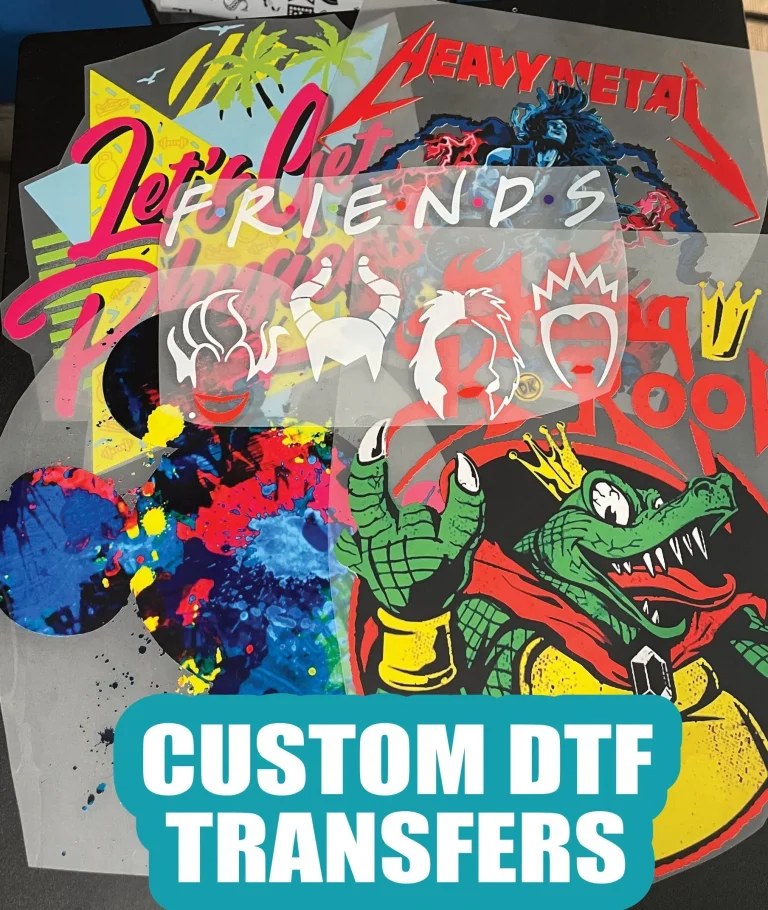
Viewed through an alternative lens, this method uses a printed image on a heat-activated transfer film rather than direct application onto the fabric. As a film-based color transfer technique, it blends digital design with a powder-assisted adhesive to bind artwork to textiles with strong wash resistance. Compared with DTG or traditional screen printing, it offers broader fabric compatibility and allows for vibrant, detailed designs to be reproduced cost-effectively. With proper pre-press, curing, and post-care routines, you can achieve durable, soft-hand results that endure repeated washing. Using this terminology helps teams align expectations and optimize production workflows across apparel, home goods, and customization projects.
DTF transfers tips for vibrant, washable results
DTF transfers tips begin with solid design and color management to maximize vibrant DTF colors on fabric. Start with a high-resolution design (300 dpi), use CMYK color channels, and add a white underbase when printing on light or dark fabrics. Calibrate your monitor to a printer-friendly color profile and print color proofs before committing to larger runs. When design and color management are aligned, you get consistent, vibrant DTF transfers across runs.
Printing and powdering are the heart of durable, washable results. Choose a reliable printer with strong white ink performance and the appropriate adhesive powder for your film. Apply the powder evenly, cure per manufacturer guidelines, and brush off excess before pressing. A well-executed powder cure yields strong adhesion and clean edges, supporting long-lasting vibrancy and wash durability in washable DTF transfers.
DTF printing on fabric: achieving washable DTF transfers with vibrant colors and reliable adhesion
DTF printing on fabric requires careful prep: start with clean, dry garments, pre-press to remove moisture, and lint-roll to minimize fiber intrusion. For darker fabrics, ensure the white underbase is opaque to support top colors. Maintain a fabric profile with the recommended temperature, dwell time, and post-care guidelines for each material to preserve wash durability and color fidelity.
During the transfer, follow precise heat, pressure, and timing. Pre-press briefly, then position the transfer and press at about 305–320°F (150–160°C) with 10–15 psi for 12–20 seconds. Hot-peel is typically preferred for cottons and blends, while some poly fabrics may benefit from a brief cooldown after pressing. Afterward, implement proper post-care: wash inside out in cold or warm water, tumble dry low or air dry, and avoid harsh detergents to maintain washable DTF transfers and vibrant colors over time.
Frequently Asked Questions
What are the essential DTF transfers tips to achieve vibrant DTF colors and washable results when printing on fabric?
DTF transfers tips start with design/color management, printing/powdering, and the transfer/post-care steps. For DTF printing on fabric, use a high‑resolution artwork (300 dpi), work in CMYK with a white underbase on dark fabrics, and calibrate your color profile; print proofs when possible. Apply adhesive powder evenly and cure per manufacturer guidelines, then press at about 305–320°F (150–160°C) with 10–15 psi for 12–20 seconds. Pre‑press the fabric to remove moisture, and after transfer, wait 24 hours before washing and follow cold or warm wash care to preserve vibrancy and washability.
How can I apply DTF transfer tips to improve DTF printing on fabric for durable, vibrant colors and washable performance across fabrics?
DTF transfer tips for durability across fabrics focus on prep, testing, and a consistent workflow. Start with clean, dry fabrics, lint‑roll, and ensure a solid white underbase on darker fabrics to maintain vibrant colors. Use the recommended film and adhesive powder, cure correctly, and keep your printer color profiles aligned to avoid shifts. Run small fabric tests when introducing new materials and document the settings (temperature, dwell time, pressure). Finally, provide simple care guidance (wash inside‑out, cold water, air or low heat drying) to help keep washable DTF transfers looking their best across fabrics.
| Aspect | Key Points | Practical Takeaways |
|---|---|---|
| 1) Design and Color Management |
|
|
| 2) Printing and Powdering |
|
|
| 3) The Transfer Process |
|
|
| 4) Substrates and Fabric Prep |
|
|
| 5) Post-Press Care |
|
|
| 6) Troubleshooting |
|
|
| 7) Real-World Workflow Tips |
|
|
| 8) DTF Transfers vs Other Methods (Quick Comparison) |
|
|
Summary
DTF transfers tips emphasize that success hinges on a meticulous end-to-end workflow—from design and color management to printing, powder curing, transfer, and post-care. By applying strong color management, precise printing and powdering, and careful post-press handling, you can achieve vibrant, washable results that endure repeated washing and wear. Build a repeatable process, test across fabrics, and document your parameters to improve consistency. With the right workflow and equipment, DTF transfers can deliver reliable, high-quality results that enhance product appeal and customer satisfaction.