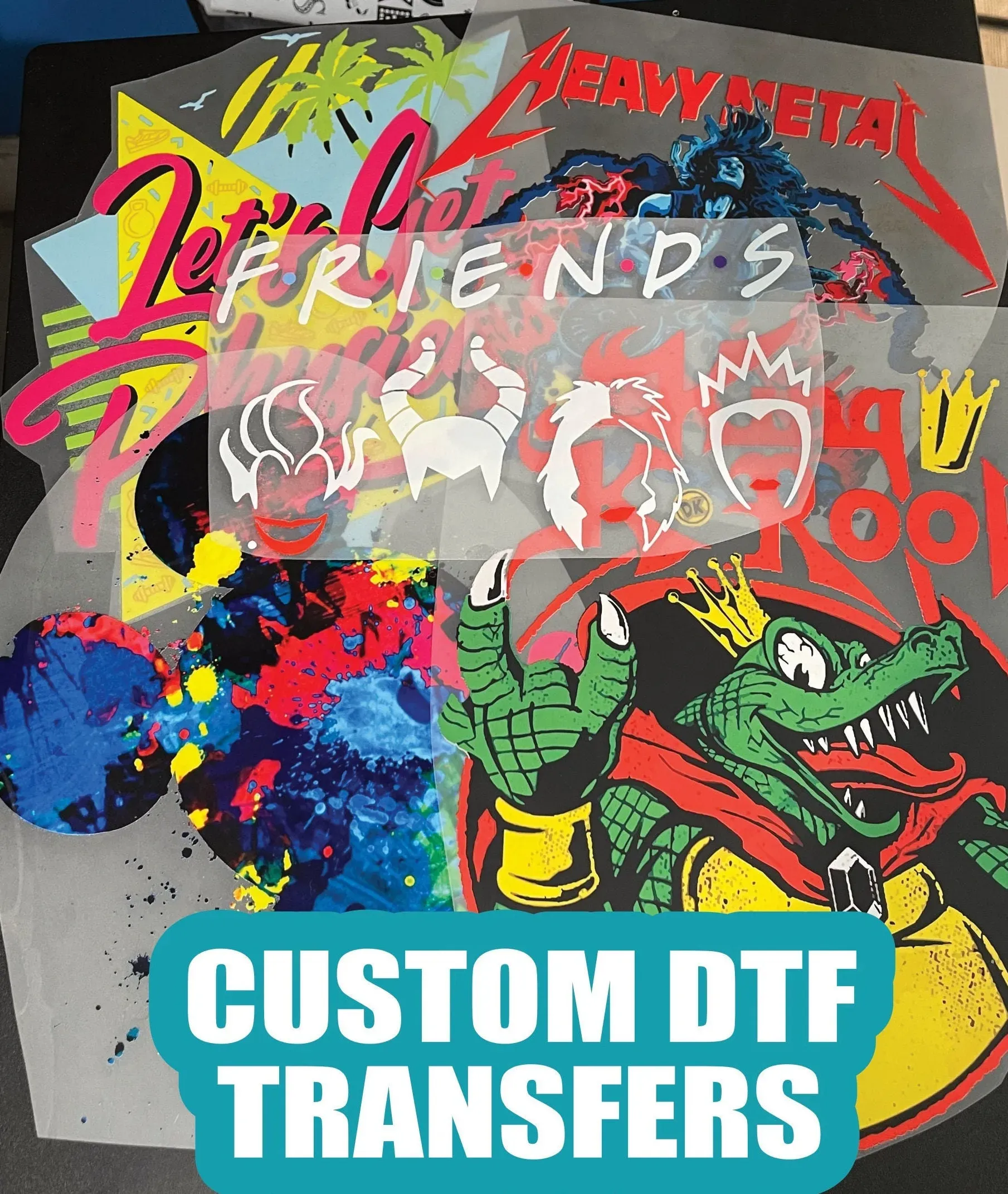
DTF Transfers: Unlock the Magic with Our Complete Guide
DTF transfers, or Direct to Film transfers, have emerged as a game-changer in the custom apparel printing industry, providing both creative enthusiasts and professionals a powerful tool for vibrant design. This cutting-edge printing technology allows you to produce high-quality images that can be seamlessly transferred onto various fabrics, including cotton and polyester blends. Whether you’re looking to craft unique t-shirts, promotional merchandise, or engaging home décor items, DTF printing streamlines the process, delivering stunning results with minimal effort. In this guide, we’ll delve into the intricacies of DTF printing, from essential equipment and techniques to the numerous benefits of DTF transfers that are propelling them to popularity. Join us as we explore how this innovative method can elevate your custom printing projects to new heights.
Direct to Film printing, often abbreviated as DTF, is redefining the landscape of custom design and apparel creation. This modern technique allows artists and businesses to produce striking prints that adhere effortlessly to a range of materials. Known for its efficiency and versatility, custom apparel printing using DTF technology not only simplifies the process but also enhances the quality and durability of the final product. In the upcoming sections, we will share valuable insights into DTF printing tutorials, the necessary equipment for successful projects, and the essential advantages that make DTF transfers a sought-after choice for creators and entrepreneurs alike. Immerse yourself in the world of cutting-edge printing as we uncover the limitless potential of this remarkable technique.
Understanding the DTF Transfer Process
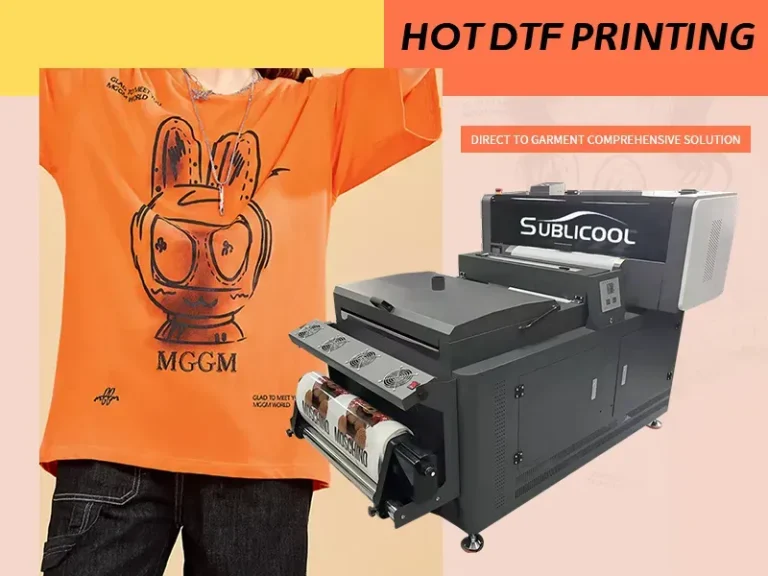
The DTF transfer process is a pivotal aspect that every beginner should grasp to successfully dive into custom printing. It begins with the creation of a design using graphic design software, which is critical for setting the tone and style of the final product. Once the design is established, it’s printed onto a specialized transfer film using a DTF printer, often adapted from existing inkjet models such as those from Epson or Mimaki. The printing system must be calibrated to ensure colors are vivid and accurate, as this directly impacts the quality of the final print.
After the design is printed, an essential step follows where adhesive powder is sprinkled over the wet ink, ensuring an even coating. This critical powder creates a strong bond when subjected to the heat press, resulting in durable, vibrant, and long-lasting transfers. The process concludes with heat-pressing the film onto the fabric, integrating the design with the item seamlessly. Understanding these steps not only improves production quality but also enhances effectively managing print projects.
Key Benefits of DTF Transfers for Custom Apparel Printing
DTF transfers offer a myriad of benefits crucial for anyone interested in custom apparel printing. One standout advantage is their incredible versatility; DTF allows designers to apply prints on various fabric types, including cotton, polyester, and even blends. This flexibility makes it ideal for creating personal designs for t-shirts, hoodies, and other garments, catering to different audiences and occasions. The technology behind DTF ensures that colors pop and remain vibrant through multiple washes, promoting customer satisfaction.
Another significant benefit of DTF transfers is their cost effectiveness, especially for small to medium-sized printing businesses. Unlike traditional methods that may require extensive setup and materials for limited runs, DTF printing allows for on-demand production with minimal waste. This cost efficiency also means that hobbyists and home-based entrepreneurs can thrive with little to no up-front investment, diversifying their product offerings without overwhelming financial pressure. In this dynamic market, leveraging the advantages of DTF can give creators a substantial edge.
Essential Equipment for Successful DTF Printing
To embark on your DTF printing journey, having the right equipment is crucial for achieving professional results. First and foremost, a dedicated DTF printer is necessary, with models from Epson being popular choices among beginners and professionals alike. These printers are capable of producing high-quality prints that are vital for effective DTF transferring. Additionally, investing in a reliable heat press is essential as it applies the necessary heat and pressure to transfer the design to the fabric properly.
Alongside printers and heat presses, we must not overlook the importance of quality DTF film and inks. Utilizing specialized inks and films ensures that your prints not only adhere well to fabrics but also maintain their integrity over time. Finally, adhesive powder plays a vital role in the printing process, as it solidifies the design’s durability. By equipping yourself with the right tools and materials, you’re setting a solid foundation for a successful custom apparel printing experience.
Getting Started with a DTF Printing Tutorial
Diving into DTF printing can be an exciting yet daunting task for beginners, making a detailed tutorial essential. Start by creating a design in graphic software, ensuring that it aligns with your vision for the finished product. Remember to consider the fabric color and choose colors that would be vibrant against the material. Once your design is perfected, proceed to print it using your DTF printer, making sure to set the right configurations for optimal results.
After printing the design onto the DTF film, the next step involves applying the adhesive powder. This step is critical; it’s essential to ensure even distribution across the wet ink. A heat press will then be used to melt the powder, binding it to the design and solidifying it for transfer. The final step will involve heat pressing the prepared film onto your chosen fabric and adhering to the recommended specifications for time and temperature. Following these structured steps will yield beautiful custom prints with minimal hassle.
Current Trends in DTF Printing
DTF printing has seen remarkable growth influenced by various trends that shape its continued evolution in the custom printing industry. One of the most significant trends is the rise of eco-friendly printing options that many consumers now seek. Manufacturers are responding by developing sustainable inks and recyclable films, making DTF printing more appealing to environmentally conscious creators. This shift towards sustainability reflects a broader movement within the printing industry to reduce waste and carbon footprints.
Additionally, the demand for personalized products is skyrocketing in today’s market, making DTF printing incredibly relevant. Creators are capitalizing on opportunities to offer tailored apparel that resonates with individual customers. From customized event t-shirts to corporate branded merchandise, DTF transfers provide the versatility to meet these emerging needs, ensuring a varied product range that can attract diverse audience segments. As the technology continues to advance, so too will the innovative applications and trends that DTF printing fosters.
Exploring the Future of DTF Transfers
As the landscape of printing technology evolves, the future of DTF transfers looks incredibly promising. Innovations in equipment, including more efficient printers and advanced software solutions, enhance the quality and speed of output, paving the way for even more applications. The growing accessibility of DTF printing will likely attract new players to the market, including small businesses and entrepreneurs who can leverage these advancements to offer unique products.
Furthermore, as the demand for high-quality, customizable items continues to rise, DTF transfers will remain at the forefront of meeting consumer preferences. The capability of this printing method to deliver vibrant prints on various materials ensures that it will remain a popular choice among designers and manufacturers alike. In conclusion, with ongoing improvements and increasing market interest, DTF printing is poised for a future filled with innovation and growth, cementing its place in the realm of custom printing.
Frequently Asked Questions
What are the main benefits of DTF transfers for custom apparel printing?
DTF transfers offer numerous benefits for custom apparel printing, including versatility in applying designs to various fabrics, exceptional durability that withstands washing and wear, and cost-effectiveness for both small and large production runs. This method also simplifies the printing process by eliminating the need for weeding, making it more efficient for users.
Can I use any printer for DTF printing, or do I need specific DTF printing equipment?
While any standard inkjet printer can be adapted for DTF printing, it’s recommended to use specific DTF printing equipment like dedicated DTF printers from brands like Mimaki or converted Epson models. These machines are designed to handle DTF inks and films effectively, ensuring better quality transfers.
How does the DTF printing process work step-by-step?
The DTF printing process involves creating your design digitally, printing it onto specialized DTF film, applying an adhesive powder over the print, and then using a heat press to bond the design to the fabric. This method allows for vibrant colors and durable results without the need for excessive manual labor.
What materials can DTF transfers be applied to, and are they suitable for all fabric types?
DTF transfers are highly versatile and can be applied to a wide range of materials including cotton, polyester, and blends. They can achieve high-quality prints on various colors and fabric types, making them an excellent choice for custom apparel and promotional items.
Are DTF prints durable, and how do they perform after multiple washes?
Yes, DTF prints are known for their durability. They resist fading and cracking and maintain their vibrancy even after multiple washes. This makes them a great option for items that will undergo regular use, like clothing and promotional merchandise.
What are some popular applications for DTF transfers beyond apparel?
Beyond custom apparel, DTF transfers are widely used for promotional items such as tote bags and hats, as well as home décor projects including custom pillow covers and wall art. The versatility of DTF printing allows artists and businesses to create an array of unique, customized products.
| Key Points | |
|---|---|
| What are DTF Transfers? | DTF transfers involve printing designs onto a specialized film before transferring them to fabric using a heat press, allowing for vibrant color reproduction and versatility across various materials. |
| Advantages of DTF Transfers | 1. Versatility 2. Durability 3. Cost-effective 4. Ease of use |
| Essential Equipment | DTF Printer, Heat Press, DTF Film and Ink, Adhesive Powder |
| Process Overview | 1. Create Design 2. Print Design 3. Apply Adhesive Powder 4. Melt Adhesive 5. Heat Press to Fabric |
| Popular Applications | Custom Apparel, Promotional Items, Home Décor |
| Current Trends | Eco-friendly options, Increased demand for customization |
Summary
DTF Transfers are revolutionizing the custom printing landscape, making it easier than ever for both beginners and experienced creators to produce high-quality designs. This method not only enhances versatility—allowing for application on various materials—but also ensures prints are durable and cost-effective. As the technology continues to advance, with developments in eco-friendly inks and a growing trend towards customization, DTF Transfers are poised to further dominate the printing market, meeting the ever-evolving needs of artists and businesses alike.