DTF Transfers: Unlock Their Power for Your Business Growth
DTF Transfers, or Direct-to-Film transfers, have transformed the world of textile printing by providing a versatile and efficient solution for custom garment decoration. This innovative printing method allows intricate designs to be printed on a special film that can effortlessly adhere to various fabrics when heat and pressure are applied. Business owners can take advantage of DTF printing benefits, such as cost-effective production and an incredibly user-friendly process, to expand their offerings and meet growing customer demands. With its ability to print on diverse materials, DTF transfer technology presents a unique opportunity for businesses to elevate their brand through customized apparel. In this guide, we’ll explore how DTF transfers can not only enhance your printing capabilities but also foster sustainable growth in today’s competitive market.
In the world of modern textile customization, techniques like Direct-to-Film printing have emerged as a game-changer. Often referred to as DTF printing, this method has gained considerable popularity for its ability to create high-quality prints that ensure durability and vibrant colors on various fabric types. Businesses are increasingly leveraging this custom garment decoration strategy to meet the demands of consumers seeking personalized products. The essence of DTF transfer technology lies in its remarkable versatility and cost-efficiency, making it a preferred choice among both startups and established brands. By adopting this printing approach, companies can enrich their product line-up and stand out in a market saturated with options.
Understanding the Basics of DTF Transfers
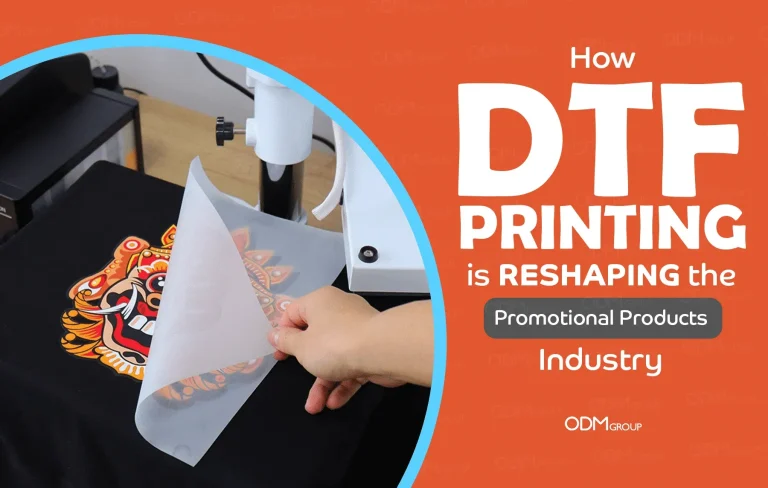
Direct-to-Film (DTF) transfers represent a significant advancement in the textile printing industry, marrying technology with creativity to produce stunning, high-quality prints. This method involves the printing of vibrant designs onto a special film, which is then heat-applied to various fabrics. The end result is a seamless transfer that showcases incredible detail and color saturation, appealing to both business owners and consumers alike. This innovative process not only allows for intricate designs but also caters to a wide range of materials, enhancing the versatility for businesses aiming to diversify their product lines.
For business owners, understanding the mechanics of DTF transfers is essential in today’s competitive landscape. The process starts with design creation, followed by printing onto the DTF film using specialized inks. Once printed, the design is transferred to the garment through heat and pressure, resulting in a durable and vibrant print that can withstand multiple washes. This technique stands out due to its user-friendly nature, making it accessible for both novice users and experienced professionals in the custom garment decoration sector.
Frequently Asked Questions
What is the process involved in DTF Transfers?
DTF transfers involve printing intricate designs onto a specialized film, which is then applied to fabrics using heat and pressure. This Direct-to-Film printing method ensures vibrant colors and durability, making it a popular choice for businesses in custom garment decoration.
What are the key benefits of using DTF printing for businesses?
The benefits of DTF printing for businesses include cost-effectiveness, versatility across various materials, and a user-friendly process. This DTF transfer technology allows for easy customization, making it accessible for startups and established businesses alike.
Can DTF Transfers be used on any fabric type?
Yes, DTF transfers can be applied to a wide range of fabric types, including cotton, polyester, and blended materials. This versatility is one of the main advantages of DTF printing, enabling businesses to offer diverse custom garment decoration options.
How does DTF printing compare to traditional printing methods?
Compared to traditional methods like Direct-to-Garment (DTG) printing, DTF transfer technology is more cost-effective and versatile. It allows for efficient production without the need for expensive machinery, making it an ideal choice for businesses looking to expand their print offerings.
What makes DTF Transfers environmentally friendly?
Recently, many DTF manufacturers have focused on sustainability by using eco-friendly inks and films in their Direct-to-Film printing processes. This shift aligns with the growing consumer demand for environmentally responsible products and helps businesses establish a positive brand image.
How can businesses leverage DTF Transfers for enhanced revenue?
By utilizing DTF transfer technology, businesses can offer personalized products, tapping into niche markets and attracting a wider customer base. Collaborating with local artists to create exclusive designs further enhances product uniqueness, driving customer loyalty and increasing revenue streams.
| Key Aspect | Description |
|---|---|
| What are DTF Transfers? | A printing method utilizing a specialized film to apply designs to fabrics using heat and pressure. |
| Key Benefits | 1. Cost-effective production: Lower entry costs compared to DTG printing. 2. Versatility: Suitable for multiple fabric types. 3. User-friendly: Simple process that requires minimal training. |
| Recent Developments | 1. Growing market demand due to e-commerce. 2. Technological innovations for increased efficiency. 3. Focus on eco-friendly materials. |
| Practical Applications | Custom apparel services and collaborative projects with artists or brands to enhance product offerings. |
| Challenges | 1. Learning curve with design software. 2. Increasing market competition requiring differentiation. |
Summary
DTF transfers represent a transformative method in the textile printing sector, offering numerous advantages for business owners eager to innovate and expand their product lines. By leveraging cost-effective production techniques, versatile material compatibility, and user-friendly processes, businesses can significantly enhance their service offerings. Moreover, the recent surge in market demand coupled with advancements in technology presents a lucrative opportunity for entrepreneurs. However, it is vital to navigate challenges such as market competition and the technology learning curve effectively. By staying informed and agile, businesses can thrive and distinguish themselves in the growing landscape of DTF transfers.