DTF Transfers: Unlock Their Power with This Guide
In the ever-evolving world of printing technologies, **DTF transfers**—short for Direct-to-Film transfers—have emerged as a highly efficient and versatile method for customizing textiles. This innovative technique allows for detailed designs to be printed on special film and then transferred onto various materials, providing incredible vibrancy and durability in the final product. As more artists, hobbyists, and businesses seek to enhance their printing capabilities, understanding the advantages of DTF technology becomes crucial. From high-quality outputs to sustainable printing solutions, utilizing DTF transfers not only leads to impressive results but also aligns with eco-conscious practices. Dive into our comprehensive DTF printing guide to discover how this transformative technology can elevate your printing projects to new heights.
Exploring the realm of textile customization, **Direct-to-Film printing**, commonly known as DTF printing, presents an exciting avenue for creators and entrepreneurs alike. This method, unique in its ability to streamline the production of vibrant and long-lasting designs, enables seamless applications on a variety of fabrics, including t-shirts and hoodies. By integrating advancements in printing technology, the benefits of DTF transfers extend beyond mere aesthetics, tapping into sustainable printing solutions that reduce waste significantly. For anyone interested in the world of fabric printing, this DTF printing guide unlocks a wealth of information to optimize your creative processes. Join the growing community of makers who are harnessing the power of DTF technology today!
Understanding DTF Transfers: The Basics
DTF (Direct-to-Film) transfers represent a cutting-edge method in digital printing, allowing designs to be printed onto a special film that is then transferred onto fabric surfaces. Unlike traditional screen printing, DTF offers a superior alternative, enabling high-resolution and colorful designs to be reproduced with ease. This technology uses specific DTF inks that are formulated to adhere efficiently to the films and later onto textiles, ensuring that prints are not only vibrant but also long-lasting.
This printing method stands out due to its versatility in handling different fabric types. Whether working with cotton, polyester, or blends, DTF transfers produce consistent results across a wide range of materials. As more artists and businesses discover the potential of this state-of-the-art technology, it is becoming clearer that DTF is set to revolutionize the way custom apparel and other fabric-based products are created.
Benefits of DTF Technology: Why Choose DTF Transfers?
The benefits of DTF technology are incredibly appealing to both business owners and individual creators alike. First and foremost, DTF transfers provide an exceptionally straightforward printing process that reduces setup time and material waste. This ease of use not only assists novices in attaining professional quality but also streamlines production for experienced printers, making it an ideal solution for print shops that demand efficiency without sacrificing quality.
Moreover, the high-quality outcome of DTF printing cannot be overstated. The prints produced are known for their sharp, vivid colors and remarkable durability, ensuring that designs remain intact even after multiple washes. Unlike traditional methods, DTF transfers allow for intricate details and gradients that elevate the overall aesthetic of a piece. This technology proves essential for businesses aiming to create distinctive products that stand out in a crowded market.
A Comprehensive DTF Printing Guide for Beginners
For those venturing into the world of DTF printing, having a straightforward guide can be crucial for success. The first step involves selecting your design, typically with the aim of creating something eye-catching and of high visual appeal. It is vital to ensure that your designs are high-resolution images to capitalize on the sharpness and color depth that DTF technology can deliver.
After selecting a design, the next phases involve using a specialized DTF printer that accommodates unique DTF inks. Following this, an important process is applying hot-melt adhesive, which plays a pivotal role in ensuring the transfer bonds effectively to the fabric. Following these steps meticulously will enable users to produce beautiful, professional quality prints that can be worn or sold with pride.
Sustainable Printing Solutions: Embracing DTF Technology
As sustainability becomes increasingly important in manufacturing and printing, adopting DTF technology comes with significant environmental advantages. One of the key benefits of this technique is its efficient use of materials. By minimizing ink waste and allowing for precise printing on demand, DTF reduces excess fabric and resource consumption.
Additionally, DTF transfers require fewer chemicals compared to traditional printing methods, contributing to a lower ecological footprint. Companies that transition to using DTF printing can align their practices with greener initiatives, appealing to eco-conscious consumers who are increasingly factoring sustainability into their purchasing decisions.
Finding High-Quality DTF Transfers: What to Look For
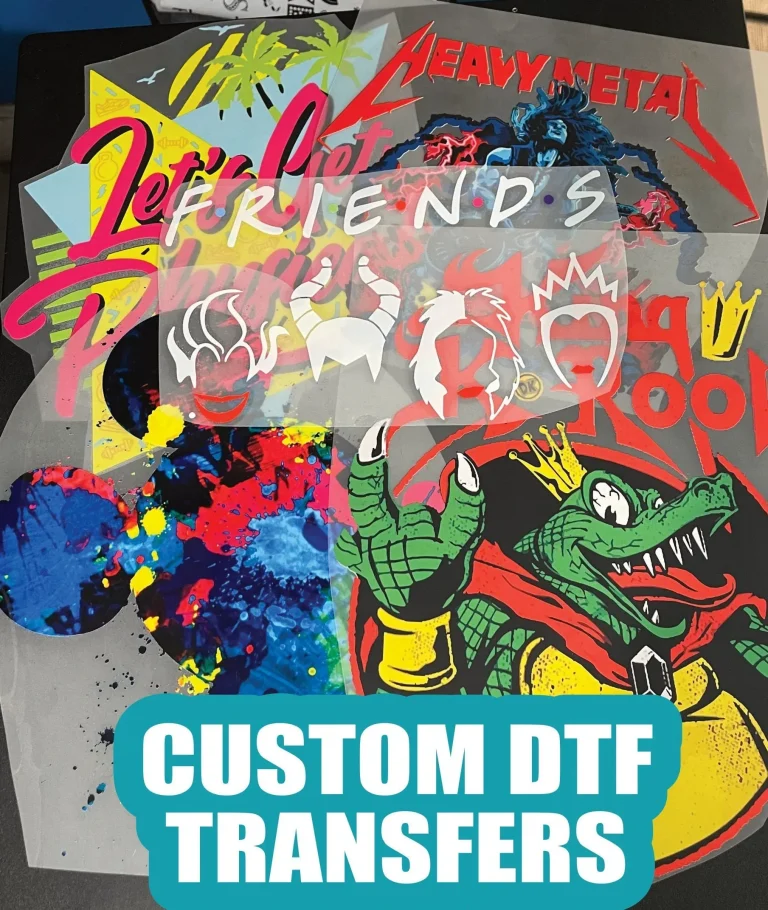
When searching for quality DTF transfers, it’s essential to evaluate suppliers carefully. Look for vendors that offer a broad selection of both custom designs and ready-to-print transfers. This variety not only provides flexibility but also allows users to find options that cater to their specific needs, whether for personal projects or commercial endeavors.
A reputable supplier will also ensure that their transfers are printed with high-quality DTF inks that provide excellent color vibrancy and durability. Customer reviews and product samples can offer insights into the performance and reliability of the transfers, giving you peace of mind when making a purchase.
Maximizing the Potential of DTF Printing in Your Business
In today’s competitive market, DTF printing can be a game-changer for businesses looking to expand their product offerings. By integrating DTF technology into your operations, you can quickly produce a wide array of personalized items—ranging from t-shirts to bags—making it a versatile choice for entrepreneurship. This method opens new avenues for creativity, allowing for intricate designs that can appeal to niche markets.
Furthermore, by adopting DTF transfers, businesses can respond quickly to customer demands and trends, thanks to the reduced preparation time and low minimum order requirements. Embracing this technology could significantly enhance your business model, paving the way for increased sales and customer satisfaction.
Frequently Asked Questions
What are DTF transfers and how do they work?
DTF transfers, or Direct-to-Film transfers, are a printing method that allows designs to be printed onto a special film which is then transferred onto fabrics. This process involves printing with DTF inks, applying a hot-melt adhesive, and using heat and pressure to bond the design to the garment, resulting in vibrant and durable prints.
What are the benefits of using DTF technology for printing?
The benefits of DTF technology include ease of use, high-quality results, and sustainability. DTF transfers produce detailed and vibrant prints on various fabric types, making them ideal for custom apparel. Moreover, DTF printing reduces waste and resource consumption compared to traditional printing methods, aligning with eco-friendly practices.
How does DTF printing compare to Direct-to-Garment (DTG) printing?
DTF printing offers several advantages over DTG printing, including compatibility with a wider range of fabrics and colors. While DTG is limited by fabric type and size, DTF transfers can produce high-quality designs even on challenging materials, making it a versatile option for printers.
Can beginners effectively use DTF transfers for their printing projects?
Yes, beginners can effectively use DTF transfers due to their user-friendly nature. The DTF printing process is straightforward, requiring basic steps like design selection, printing, adhesive application, and heat pressing, making it accessible for both hobbyists and professional printers.
What steps should I follow to successfully apply DTF transfers?
To apply DTF transfers successfully, follow these steps: 1) Choose a vibrant design; 2) Print on DTF film; 3) Apply hot-melt adhesive; 4) Preheat your heat press; 5) Position the transfer on the garment; 6) Heat press with the recommended settings; 7) Peel off the film to reveal the design.
Where can I find high-quality DTF transfers for my printing needs?
You can find high-quality DTF transfers from various suppliers, including those that offer customized designs or ready-to-use stock options. Researching online vendors or specialty print shops can help you select the best DTF transfers that meet your project requirements.
| Key Point | Details |
|---|---|
| Introduction | DTF transfers are a modern digital printing method that enhances printing quality and eco-friendliness. |
| What are DTF Transfers? | A method to print on transfer films for application on fabrics, providing detailed and vibrant images. |
| Ease of Use | User-friendly for both hobbyists and professionals, simplifying the printing process. |
| High-Quality Results | Delivers vibrant, durable prints suitable for a variety of fabrics. |
| Sustainability | DTF technology reduces waste and supports eco-friendly practices in apparel production. |
| Step-by-Step Guide | Includes selecting a design, printing, applying adhesive, heating, and finalizing the transfer. |
| Finding Quality Transfers | Look for suppliers offering customized DTF transfers for best results. |
| Realizing Potential | DTF technology is becoming essential for businesses and creative pursuits in printing. |
Summary
DTF transfers are revolutionizing the printing landscape by combining quality and sustainability. This modern method allows for the creation of stunning apparel with ease, making it ideal for both beginners and seasoned print professionals. With its exceptional vibrancy and durability, coupled with a reduction in waste compared to traditional methods, DTF technology not only produces superior results but also aligns with eco-conscious practices. The growing popularity of DTF transfers signifies a substantial shift in how custom apparel can be produced efficiently and responsibly, making it a valuable resource for anyone looking to enhance their printing capabilities.