DTF Transfers: Unlocking the Secrets for Effective Printing
**DTF transfers** are revolutionizing the world of textile printing, offering a fresh approach to custom apparel and design. This innovative Direct-To-Film printing technique allows for vibrant colors and detailed images to be easily transferred onto various fabrics with remarkable accuracy. As the demand for personalized and eco-friendly printing solutions grows, the DTF transfer process is becoming a staple for both professionals and hobbyists. In this guide, we’ll explore the mechanics behind DTF transfers, including the benefits of using DIY DTF kits, and discuss their potential in the ever-expanding market of custom apparel printing. Whether you’re curious about creating your custom designs or venturing into a new business, understanding DTF transfers will enhance your creative endeavors.
Exploring **Direct-To-Film transfers** opens the door to a world of possibilities in textile decoration. This modern printing method utilizes film to achieve stunning results, suitable for various applications, especially in creating customized clothing. With the rise in popularity of DIY DTF kits, anyone can engage in this dynamic printing process from the comfort of their home. The DTF technique not only caters to creative minds but also aligns with the growing trend for eco-conscious printing methods, offering sustainable solutions for designers and consumers alike. Dive into the fascinating realm of DTF technologies and discover how this method can elevate your creative projects.
Understanding the Basics of DTF Transfers
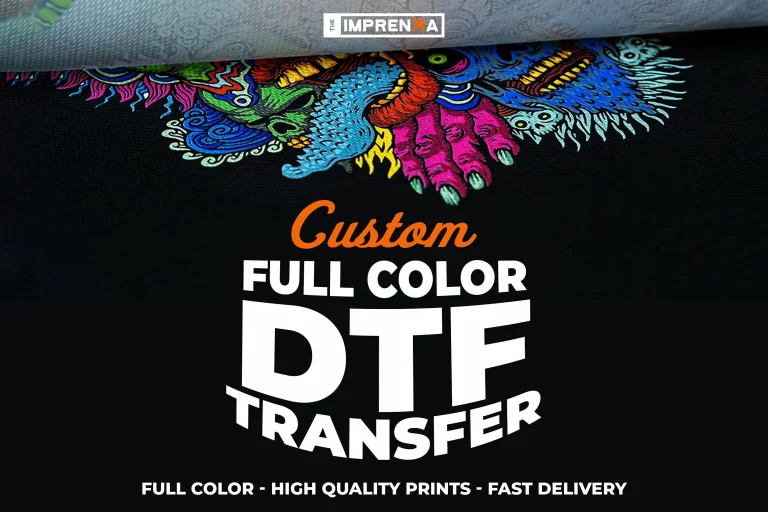
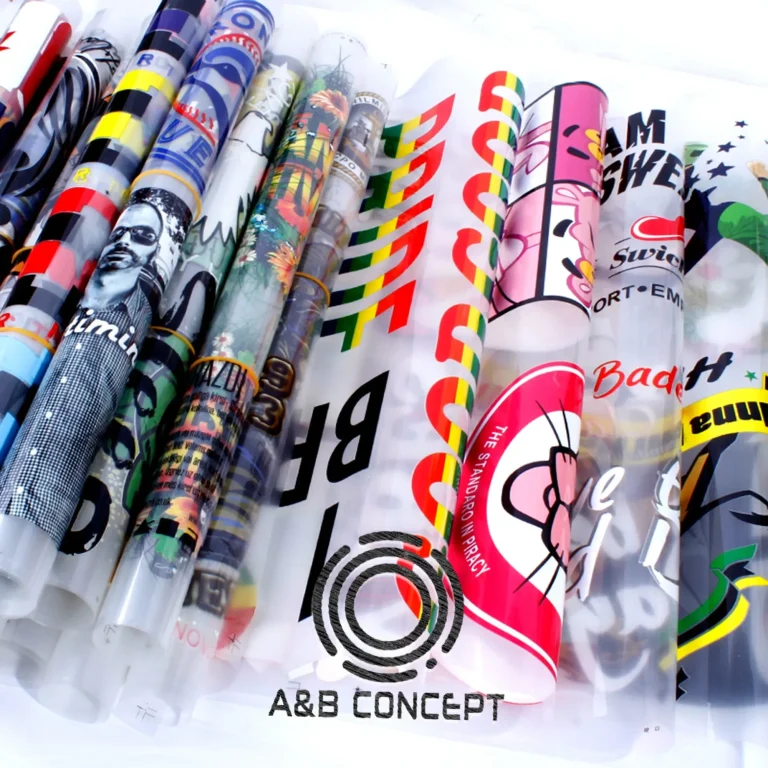
At its core, DTF transfers, or Direct-To-Film transfers, represent a revolutionary method in the world of textile printing. This technique involves printing designs directly onto a special film which can then be heat applied to textile surfaces, allowing for vibrant and durable prints. The method is particularly favored for custom apparel printing due to its ability to produce detailed designs without the limitations often associated with traditional methods such as screen printing. The sharpness and quality of color in DTF printing are notable, providing an impressive comparison for those venturing into personalized garment production.
Moreover, the DTF transfer process is not just efficient, but it also supports complex color combinations, making it ideal for intricate designs. This capability encourages creativity and encourages both designers and hobbyists to experiment more freely with their ideas, leading to unique custom apparel that stands out in the market. Understanding this essential process is crucial for anyone looking to engage in the burgeoning field of custom printing, as the DTF method continues to gain traction across various industries.
The Advantages of Direct-To-Film Printing
One of the primary advantages of direct-to-film printing is the remarkable versatility it offers. Unlike traditional methods, which often restrict the types of fabric that can be printed on, DTF transfers can be applied to a wide variety of textiles, including cotton, polyester, and blends. This adaptability makes it easier for businesses to cater to diverse customer preferences and expand their product ranges. Moreover, the ability to print small runs or even one-off designs without incurring prohibitive costs enhances its attractiveness, particularly for small businesses or freelancers in the custom apparel printing market.
Additionally, the DTF transfer process is known for its efficiency and speed, which is a critical factor for any production business. With advancements in DTF technology, printing speeds have notably increased, allowing for quicker turnaround times without compromising quality. This becomes particularly beneficial during peak seasons or for fulfilling retail demand for custom items, positioning DTF transfers as a preferable choice for those looking to optimize production workflows while ensuring high-quality outcomes.
Eco-Friendly DTF Printing Solutions
In today’s environmentally conscious landscape, eco-friendly printing solutions have become a top priority for many consumers and businesses. DTF transfers stand out in this context due to the use of water-based inks that are free of harmful chemicals commonly found in traditional sublimation or screen printing inks. Such innovations not only minimize the environmental footprint but also align with the growing consumer demand for sustainable operational practices. By opting for eco-friendly DTF processes, printers can appeal to a market that increasingly values environmental responsibility.
Moreover, reducing waste and implementing sustainable practices in the DTF printing process is becoming a pivotal aspect of business strategy. As the print industry moves towards greener solutions, embracing infrastructure that utilizes eco-friendly materials and processes will be vital for standing out in a crowded marketplace. Companies embracing these practices may find that they not only contribute positively to the environment but also enhance their brand reputation, appealing to eco-conscious consumers.
Exploring DIY DTF Kits for Textile Printing
The rise of the DIY movement has brought forth the introduction of DTF transfer kits, which democratize access to quality printing technology. These kits typically include essential components such as transfer film, DTF inks, and heat presses, which can be daunting for beginners but are now packaged for ease of use. With a well-structured DIY DTF kit, budding entrepreneurs or home hobbyists can embark on their custom printing journey without the high financial barrier of entry that larger printing equipment entails.
These DIY DTF kits not only empower individuals to create personalized apparel but also encourage experimentation and creativity. Whether you want to create custom t-shirts, tote bags, or unique decor items, having a DTF kit allows for endless possibilities. As the popularity of DIY projects continues to grow, the accessibility of DTF technology facilitates a deeper engagement with the craft, fostering an environment of innovation and creativity within local communities.
Market Opportunities in Custom Apparel with DTF Transfers
The market for custom apparel printing is witnessing transformational opportunities with the advent of DTF transfers. As consumer preferences shift towards personalization, the demand for unique designs is ever-increasing. DTF transfers allow businesses to provide customers with high-quality, personalized apparel quickly and affordably, which positions them favorably in an increasingly competitive landscape. There’s immense potential for entrepreneurs seeking to capture niche markets focused on specialized designs for events, businesses or personal use.
Moreover, the cost-effectiveness of DTF printing compared to traditional screen printing methods makes it an attractive option for small businesses looking to increase profitability. The low upfront investment combined with high-quality output can deliver a significant return on investment, particularly for startups looking to build customer loyalty through bespoke offerings. As more businesses adopt DTF technology, the landscape for custom apparel printing continues to expand, inspiring creativity and solidifying opportunities in the market.
The Future of DTF Transfers in the Printing Industry
Looking ahead, the future of DTF transfers in the printing industry appears promising. As technological advancements continue to evolve the capabilities of DTF equipment, businesses can expect improvements in print quality, efficiency, and versatility. The integration of innovative materials and processes in DTF production is paving the way for a more dynamic and responsive marketplace that meets the diverse needs of modern consumers. Innovations such as enhanced color fidelity and faster production processes signify a bright future for DTF technology.
Additionally, as the trend toward sustainable practices remains ever-present, DTF transfers are likely to play a pivotal role in the industry’s transition to greener solutions. With a growing emphasis on eco-friendly materials and practices, printing businesses that embrace DTF transfers can position themselves as leaders in sustainability. This dual focus on advancements in technology and environmental consciousness ensures that DTF transfers remain relevant and vital as the printing industry moves forward into a new era.
Frequently Asked Questions
What are DTF transfers and how do they work?
DTF transfers, or Direct-To-Film transfers, involve printing images onto a special film which can then be applied to textiles using heat and pressure. This printing method allows for high vibrancy and durability, making it ideal for custom apparel printing.
What benefits do eco-friendly printing solutions offer with DTF transfers?
Eco-friendly printing solutions in DTF transfers often use water-based inks that reduce harmful chemical usage, making them more sustainable. This reduces the environmental impact compared to traditional printing methods, appealing to environmentally-conscious consumers.
How can DIY DTF kits help small business owners?
DIY DTF kits provide small business owners with the necessary tools, including transfer film and inks, to produce custom prints at a lower cost. This accessibility allows entrepreneurs to enter the custom apparel market easily and creatively.
What are some common applications of DTF transfers in custom printing?
DTF transfers are versatile and can be applied to a variety of textiles, including t-shirts, hoodies, and accessories. They are also suitable for promotional items and home decor, allowing for intricate designs and vibrant colors.
What advancements have been made in the DTF transfer process recently?
Recent advancements in the DTF transfer process include improved printing speeds, enhanced color vibrancy, and printers that can handle a wider range of fabrics. These improvements have boosted the efficiency and quality of custom apparel printing.
How do DTF transfers compare to traditional printing methods?
Unlike traditional methods like screen printing, the DTF transfer process is simpler and more efficient, requiring fewer steps and allowing for greater detail and color vibrancy in designs. This makes DTF a preferred choice among designers for custom apparel.
| Key Points | Details |
|---|---|
| What are DTF Transfers? | Modern printing technique that prints images onto a special film for application to textiles with heat and pressure. |
| Technological Advancements | Improvements in printing speed, color vibrancy, and fabric range with new printer technologies. |
| Market Growth | Increase in demand for personalized apparel and lower costs make DTF attractive for businesses. |
| Environmental Considerations | Eco-friendly inks reduce harmful chemical use and waste, appealing to environmentally conscious consumers. |
| Applications and Versatility | Extends beyond apparel to home decor, promotional items, and custom gifts, making it highly versatile. |
| DIY DTF Transfer Kits | Kits make DTF accessible for enthusiasts, encouraging creative projects and experimentation. |
Summary
DTF transfers are revolutionizing the textile printing landscape by merging innovation with eco-awareness and affordability. This printing technique enables users to achieve high-quality, vibrant designs that appeal to both commercial and DIY markets. As the demand for personalized products continues to surge, DTF transfers present a golden opportunity for budding entrepreneurs and creative hobbyists alike, enabling them to explore new avenues in custom apparel and beyond. Understanding DTF transfers not only equips you with the skills needed for this exciting field but positions you ahead in a competitive market driven by sustainability and innovation.