DTF Transfers vs. DTG Printing: Which is Right for You?
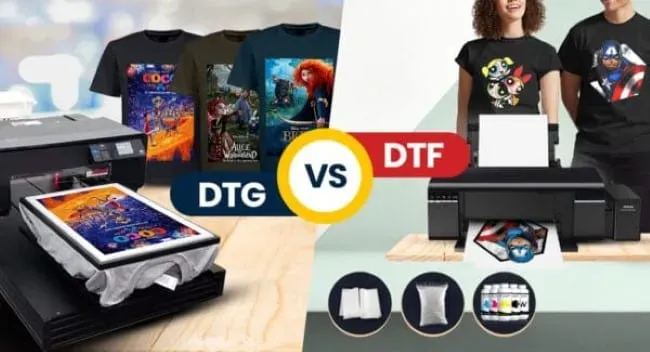
In the competitive landscape of apparel production, the choice between DTF transfers vs. DTG printing is crucial for designers and businesses alike. Each method offers distinct advantages that cater to varying needs in garment printing. DTF, or Direct-to-Film printing, is gaining popularity for its cost-effectiveness and versatility, allowing for vibrant designs that adhere well to multiple fabric types. Conversely, DTG, or Direct-to-Garment printing, is renowned for its superior quality, ideal for intricate and detailed designs. This article will explore these two prominent printing technologies, analyzing their capabilities, costs, and overall effectiveness in the realm of modern apparel printing options.
When it comes to garment customization, the debate between film transfers and direct ink printing has become increasingly significant. Designers and businesses often weigh their printing technology options, considering the efficiency and quality of their chosen methods. Film transfer processes are recognized for their ease of application across various textiles, while inkjet printing techniques are celebrated for their exceptional detail and color vibrancy. As the textile printing industry evolves, understanding these different printing methodologies is essential for making informed decisions that align with specific project objectives.
A Comprehensive Overview of DTF and DTG Technologies
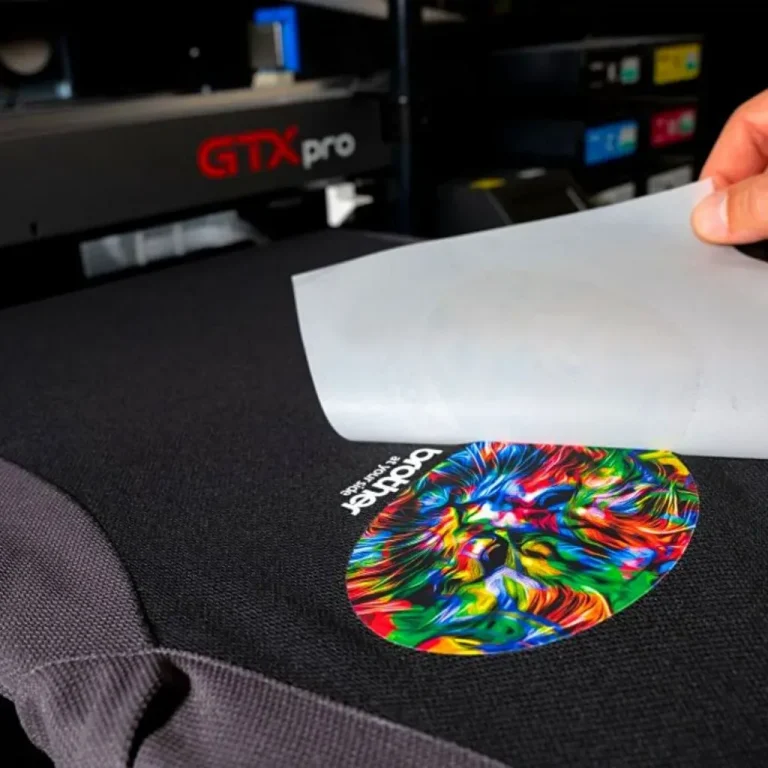
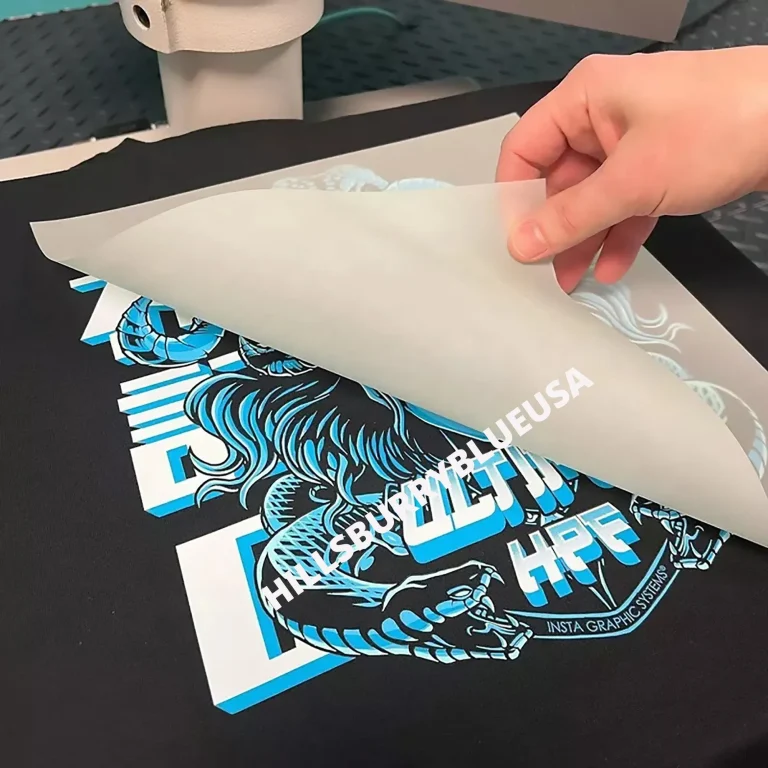
When exploring garment printing technologies, it’s essential to understand the foundational principles behind both Direct-to-Garment (DTG) and Direct-to-Film (DTF) printing. DTG printing, relying on advanced inkjet technology, applies ink directly onto fabrics, penetrating the material for deeply embedded designs. This process excels in rendering high-resolution images, making it suitable for custom apparel with vibrant colors and detailed textures. In contrast, DTF printing uses a film transfer method where designs are printed onto a specific film layer before being heat-applied to garments. This technique not only enhances the vibrancy of colors but also offers flexibility across various fabric types, broadening the scope of potential applications in apparel printing.
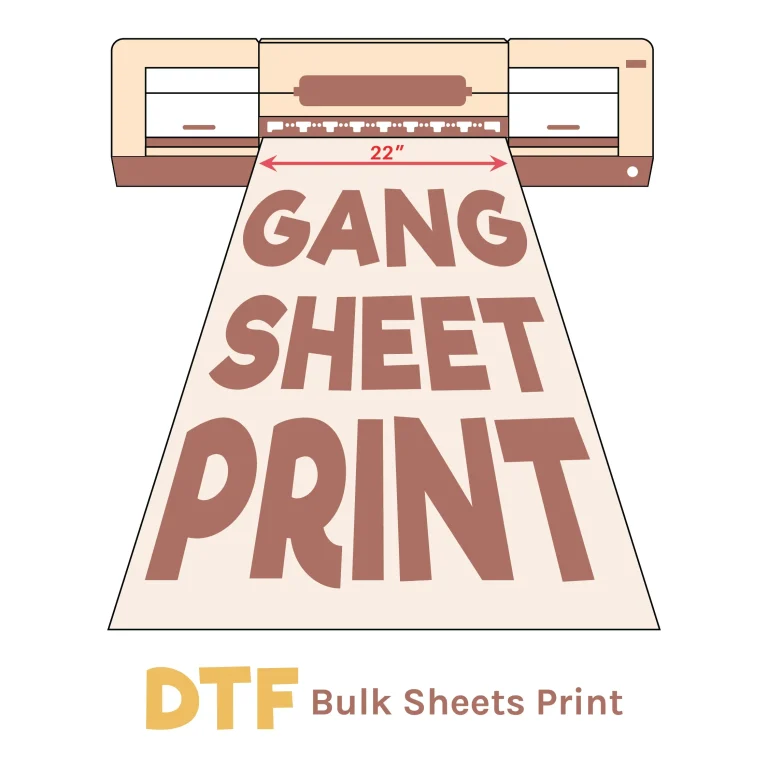
Moreover, the operational workflow of both methods can significantly influence the choice between DTG and DTF. While DTG’s setup involves direct garment handling, making it less efficient for bulk orders, DTF’s pre-printed films allow for quicker application to multiple items, appealing to businesses with larger demands.
Understanding the nuances between these technologies requires a close examination of their output capabilities as well. DTG printing systems are optimized for detailed designs, often preferred for small runs or custom orders where quality takes precedence. In comparison, DTF has emerged as a strong contender in the market, particularly for businesses that focus on larger batches while maintaining acceptable quality standards. Customers who seek to balance cost-efficiency with print vibrancy may find DTF’s approach more advantageous, particularly when considering factors like production speed and broader fabric compatibility. Through this comparison, businesses can effectively align their printing choices with demand and creative goals.
Quality Assessment: DTF vs. DTG Prints
Quality is a crucial determinant in the selection process of printing technologies for garments. For those prioritizing intricate designs and lifelike prints, DTG printing stands out as the option of choice. Its ability to produce finely detailed imagery allows for an exceptional range of design possibilities, especially when individuals aim for artistic representations on clothing. Furthermore, DTG printing typically boasts smooth finishes that preserve the precise detail found in the original artwork. This makes DTG an advantageous option for artwork-intensive brands that require the highest standards of quality and detail in their custom printed apparel.
However, it’s important to recognize that DTF printing has made remarkable strides in quality, particularly with recent advancements that have elevated its print output to closely rival that of DTG. Modern DTF prints can achieve a level of color richness and clarity that helps them maintain their appeal on a variety of fabric surfaces. Moreover, DTF prints are designed for durability; they hold up exceptionally well against multiple wash cycles without significant fading or degradation of detail, offering an attractive alternative for those who need both quality and longevity from their prints.
Evaluating Cost Efficiency in Printing Solutions
Cost efficiency plays an integral role in the decision-making process for garment printing, as businesses strive to find the right balance between quality output and working within budget constraints. DTF printing generally offers a more cost-effective solution, especially for bulk orders. The reduced material expenses and shorter production times of DTF result in favorable pricing structures for larger runs, which many apparel businesses find advantageous. By opting for DTF, companies can benefit from its lower setup costs while still meeting customers’ high expectations for print quality.
On the contrary, DTG printing tends to be more expensive per unit due to its reliance on specialized inks and advanced machinery. For small volume orders, however, DTG presents a viable option since it allows for unique designs without the burden of upfront costs associated with larger production runs. This means that customers seeking to create one-off designs or cater to niche markets can take advantage of DTG printing’s capabilities without incurring substantial expenses. Ultimately, the decision hinges upon a company’s specific printing needs, order sizes, and budgetary constraints.
Durability and Longevity of Printed Fabrics
When assessing printing methods, the durability and longevity of the prints are crucial factors that businesses must consider. DTF prints are known for their resistance to wear and tear, standing up well against multiple wash cycles without compromising color vibrancy. This characteristic is vital for apparel brands seeking to uphold quality standards and encourage customer satisfaction. The robustness of DTF prints ensures that the designs remain intact for more extended periods, catering to consumers looking for durable and reliable fashion options.
In comparison, DTG prints have historically faced criticism regarding their longevity, but advancements in ink technology have mitigated these concerns. Modern DTG prints can now offer improved wash resistance, allowing brands to maintain high standards despite the challenges that come with fabric care. Nonetheless, consumers must recognize that the care conditions significantly influence the lifespan of DTG prints. Appropriate washing techniques can increase the durability of DTG printed garments, ensuring that they retain their appearance over time.
Trends in the Garment Printing Market
The garment printing market is continually evolving, with trends indicating a growing preference for DTF printing. As businesses scramble to meet demand for high-speed production methods that provide flexibility across various fabric types, DTF is capturing attention for its effective cost-to-output ratio. Many startups and established brands are shifting their focus towards DTF to keep pace with industry demands, capitalizing on its advantages of versatility and efficiency in the realm of apparel printing options.
Conversely, DTG printing continues to maintain a stronghold in sectors that prioritize detailed designs and custom graphics. The sustained demand for DTG technology highlights its niche appeal to artistic markets, where quality and detail are paramount. Despite the rising popularity of DTF, many businesses still prefer DTG due to its ability to produce intricate artwork that captures a brand’s uniqueness, further solidifying its importance in the garment printing landscape as companies choose the best printing method aligned with their creative visions and operational needs.
Sustainability Practices in DTF and DTG Printing
Sustainability is increasingly becoming a focus within the garment printing industry, as consumers demand environmentally friendly options. DTG printing is often praised for its sustainability practices, with lower water usage and reduced chemical waste compared to traditional methods. Since the DTG process applies ink directly to the fabric without the need for screens, it minimizes waste and promotes eco-conscious practices. Many brands are integrating DTG printing into their production processes to appeal to environmentally aware customers seeking sustainable fashion choices.
On the other hand, while DTF printing is a newer technology and has not yet carved out a comprehensive sustainability narrative, emerging innovations are pushing DTF toward more eco-friendly practices. The print community is beginning to explore ways to minimize waste in DTF production processes, paving the way for sustainable advancements in this printing method. As the industry evolves, it will be crucial for garment printers to adopt best practices that prioritize environmental sustainability, ensuring that both DTG and DTF technologies contribute positively to the larger ecological landscape.
Frequently Asked Questions
What are the key differences between DTF Transfers and DTG Printing?
DTF Transfers and DTG Printing both serve as popular garment printing methods with distinct differences. DTF uses a film to transfer prints onto fabrics using heat, making it versatile and cost-effective for larger orders. Conversely, DTG directly prints onto fabrics, offering exceptional detail and color vibrancy, ideal for smaller custom orders with intricate designs.
Is DTF Printing more cost-effective than DTG Printing for bulk orders?
Yes, DTF Printing typically proves to be more cost-effective than DTG Printing for bulk orders. Because DTF transfers can be printed more quickly and with lower material costs, businesses often benefit from better pricing flexibility when producing larger quantities.
Which printing method offers better durability, DTF Transfers or DTG Printing?
DTF Transfers are known for their impressive durability, with prints that can withstand multiple washes without losing vibrancy. While DTG Printing has improved in wash resistance with new ink formulations, DTF is often considered superior in long-term durability.
What type of designs work best with DTF Transfers versus DTG Printing?
DTG Printing is best suited for intricate, high-quality designs with a broad color spectrum, making it ideal for custom orders. DTF Transfers, however, excel with simpler designs and images, especially when aiming for bulk production across various fabric types.
Are DTF Printing and DTG Printing environmentally friendly options?
DTG Printing is often seen as more environmentally friendly due to reduced chemical waste and lower water usage. DTF Printing is newer to the market, but there are innovations emerging aimed at improving its sustainability, though it has not yet established a strong eco-friendly reputation.
Can I use DTF Transfers on any type of fabric, unlike DTG Printing?
Yes, DTF Transfers are remarkably versatile and can be applied to a wide variety of fabrics, including cotton, polyester, and blends. In contrast, while DTG Printing works best on 100% cotton fabrics for optimal quality, it may not perform as well on synthetic materials.
| Aspect | DTG Printing | DTF Transfers |
|---|---|---|
| Technology | Utilizes inkjet technology to print directly on fabric. | Prints designs onto film and heat-presses onto fabric. |
| Print Quality | Offers superior detail and vibrant color for intricate designs. | Recent advances allow close-to-DTG quality with vibrant colors and textures. |
| Cost Efficiency | Higher initial costs, better for small orders due to decent pricing. | More cost-effective for bulk orders with lower material costs. |
| Durability | Less durable traditionally, but newer inks improve wash resistance. | Highly durable, maintains vibrancy through numerous washes. |
| Market Trend | Still favored for high detail in custom apparel. | Gaining popularity due to speed and versatility for different fabrics. |
| Sustainability | Lower water usage and reduced chemical waste. | Emerging eco-friendly practices, promising for the future. |
Summary
In the comparison of DTF transfers vs. DTG printing, both methods offer unique advantages that make them suitable for different printing needs. DTG printing is celebrated for its exceptional detail and quality, making it ideal for custom, low-volume orders. In contrast, DTF transfers provide a cost-effective solution for larger orders while maintaining decent print quality and impressive durability. Understanding these differences is crucial for businesses looking to optimize their apparel production processes.