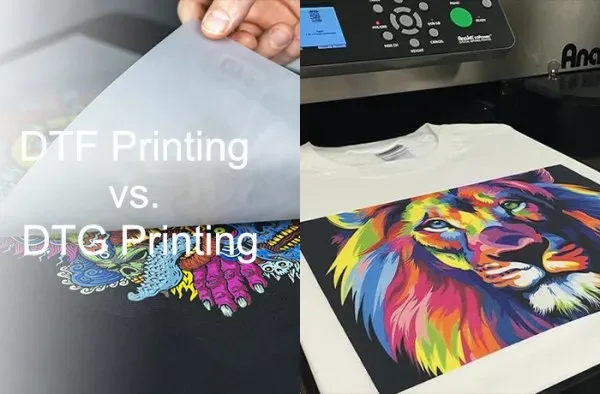
DTF vs. DTG Printing: Which is Right for Your Business?
In the ever-evolving landscape of apparel printing, two standout techniques have emerged as favorites among businesses: DTF vs. DTG printing. Both **Direct to Film** and **Direct to Garment** printing methods offer distinct advantages, making them suitable for various applications, from small custom projects to bulk orders. While DTF printing boasts impressive versatility across numerous fabric types, DTG printing excels in delivering intricate and detailed designs directly onto garments. This article will dive deep into the comparison of these two popular printing methods, highlighting **DTF printing advantages** and **DTG printing benefits**, enabling business owners to make an informed choice tailored to their specific needs. Understanding the strengths of each method is vital for thriving in today’s competitive market, where consumer demands are constantly evolving.
When it comes to choosing an appropriate printing method for apparel, many find themselves evaluating Direct to Film (DTF) printing against Direct to Garment (DTG) printing. These unique techniques not only define how designs are transferred to fabrics but also influence the final product’s quality, durability, and production efficiency. DTF printing leverages a film transfer process, allowing for vibrant prints on various fabric types, while DTG printing specializes in applying ink directly onto garments, making it optimal for detailed artworks. Exploring these printing methods comparison illuminates their respective roles in modern textile production, allowing businesses to align their choices with customer expectations. As the industry landscape shifts, understanding these methodologies becomes increasingly important for maintaining a competitive edge.
Understanding the Basics of DTF Printing
**Direct to Film (DTF)** printing is an innovative methodology that has gained considerable traction in the apparel printing industry. It allows designers and business owners to print vivid and intricate designs onto a special transfer film. This film is subsequently applied to garments using heat and pressure, resulting in vibrant prints that can be applied to various fabric types. The versatility of DTF printing is noteworthy, as it is suitable for fabrics including cotton, polyester, and blends, thereby offering incredible flexibility for businesses catering to a diverse clientele.
One of the standout features of DTF printing is its ability to produce durable and long-lasting prints. Unlike traditional methods, DTF creates a film that exhibits resistance to washing, fading, and wear over time. This durability is particularly beneficial for products that endure high usage, such as work uniforms and sportswear. With its growing popularity, many manufacturers are leaning toward DTF as a reliable solution for both small and large production runs, making it a worthwhile investment for businesses aiming at quality and efficiency.
Exploring the Benefits of DTG Printing
**Direct to Garment (DTG)** printing is a preferred method for businesses focusing on customized apparel, especially for those seeking to produce highly detailed designs. Utilizing advanced inkjet technology, DTG enables users to print graphics directly onto garments, making it ideal for intricate artwork and color gradients. The method showcases an exceptional ability to handle small orders, allowing for on-demand printing which meets the custom needs of individual customers without incurring high overhead costs.
Additionally, DTG printing offers a softer finish compared to other methods, as the ink penetrates the fabric, resulting in prints that blend seamlessly into the garment. This not only enhances the comfort of the apparel but also allows for a more professional look. However, DTG is recommended primarily for 100% cotton or high-cotton blend fabrics, which can limit material options. Nevertheless, for businesses targeting unique designs and personalization, DTG remains an effective and beneficial choice.
DTF vs. DTG Printing: Key Process Comparisons
When comparing **DTF vs. DTG printing**, one of the most significant differences lies in the printing process itself. DTF printing involves creating a design onto a film, which is then transferred onto the fabric via a heat press. This allows for high vibrancy and intricate details, but requires specific equipment and materials. On the other hand, DTG printing utilizes specialized inkjet printers to directly apply ink to the garment. This method is especially effective for producing sharp details and blends, though it can sometimes require more extensive setup.
Both processes also differ in terms of production efficiency. DTF is often favored for larger production runs due to its streamlined setup and lower cost per print in bulk orders. Conversely, DTG is more suited for customized, smaller orders where detailed artwork is prioritized over large-scale production. Understanding these key differences can help businesses choose the right method based on their operational capacity and output needs.
Material Compatibility in DTF and DTG Printing
Understanding material compatibility is crucial when comparing DTF vs. DTG printing methods. DTF printing excels in versatility; it can be applied to a wide range of fabrics including cotton, polyester, and various blends. This flexibility allows apparel businesses to cater to multiple market segments, meeting the demands of diverse customer preferences. Therefore, companies looking to produce products on varied materials often benefit tremendously from adopting DTF printing processes.
On the contrary, DTG printing is predominantly effective on 100% cotton fabrics or high-cotton blends. While it is celebrated for the quality of prints on these materials, it significantly limits options when considering synthetic fabrics. This restriction can pose challenges for businesses aiming to deliver a wider range of clothing options. As such, understanding material compatibility is essential for companies to align their printing strategies with market trends and consumer expectations.
Comparing DTF and DTG in the context of material compatibility can significantly influence production decisions, allowing for better alignment with customer needs and enhancing overall satisfaction.
Frequently Asked Questions
What are the main differences between DTF vs. DTG printing?
The main differences between DTF (Direct to Film) and DTG (Direct to Garment) printing include their printing processes, material compatibility, and durability. DTF prints designs onto a film which is then heat pressed onto various fabrics, making it versatile. DTG prints directly onto garments using an inkjet technology, making it ideal for intricate designs but limited to cotton fabrics. DTF offers greater durability while DTG provides a softer, integrated feel.
What are the advantages of DTF printing compared to DTG printing?
DTF printing advantages include its versatility with various materials, excellent durability, and fast production rates for larger orders. It also allows for vibrant color output and is suitable for a range of fabric types, including cotton and polyester, making it a preferred choice for businesses needing high-quality prints on different textiles.
When should a business choose DTG printing over DTF printing?
A business should choose DTG (Direct to Garment) printing if they focus on small runs with complex designs, especially on cotton fabrics. DTG printing benefits include detailed prints with a softer touch, making it ideal for on-demand custom apparel where each piece can be tailored to individual customer preferences.
Is DTF printing more cost-effective than DTG printing for larger orders?
Yes, DTF printing tends to be more cost-effective for larger orders due to its straightforward setup and lower cost per print at high volumes. In contrast, DTG printing often incurs higher initial setup and maintenance costs, which can add up for larger runs.
What fabrics are compatible with DTF vs. DTG printing?
DTF (Direct to Film) printing is compatible with a wide range of fabrics, including cotton, polyester, and blends, making it highly versatile. Conversely, DTG (Direct to Garment) printing works best on 100% cotton or high-cotton blends, which limits its application on synthetic fabrics.
What are the market trends for DTF vs. DTG printing in the apparel industry?
Market trends indicate that DTF printing is gaining popularity due to its flexibility and lower costs for larger productions, while DTG printing remains favored by small businesses for its ability to produce intricate designs on-demand. Both technologies are evolving with innovations to improve print quality and efficiency.
| Aspect | DTF Printing | DTG Printing |
|---|---|---|
| Printing Process | Prints designs onto a special film, then heat pressed onto garments. | Uses inkjet technology to print directly onto garments. |
| Material Compatibility | Versatile with various fabrics including cotton and polyester. | Best on 100% cotton or high-cotton blends; limited on synthetics. |
| Setup and Costs | Simpler setup, more cost-effective for large volumes. | Costly and time-consuming setup; more maintenance required. |
| Durability and Feel | Highly durable; more resistant to washing and fading. | Offers a softer feel; less durable under wear and tear. |
| Market Trends | Increasingly popular for large orders; fast turnaround. | Favored by small businesses for detailed custom apparel. |
Summary
DTF vs. DTG printing represents two distinct approaches to apparel customization that are shaping the garment industry’s future. Direct to Film (DTF) printing is particularly favored for its versatility and durability across various fabric types, making it ideal for larger production runs. In contrast, Direct to Garment (DTG) printing excels in producing intricate designs with rich colors, best suited for smaller, customized projects. Each method has evolved over the years, adapting to the growing demand for tailored apparel solutions. Ultimately, the choice between DTF and DTG printing will depend on specific business requirements, target audiences, and the desired final product. Businesses must evaluate these factors to enhance their operations and meet modern consumer expectations.