DTF vs DTG Printing: Which Method is Better for You?
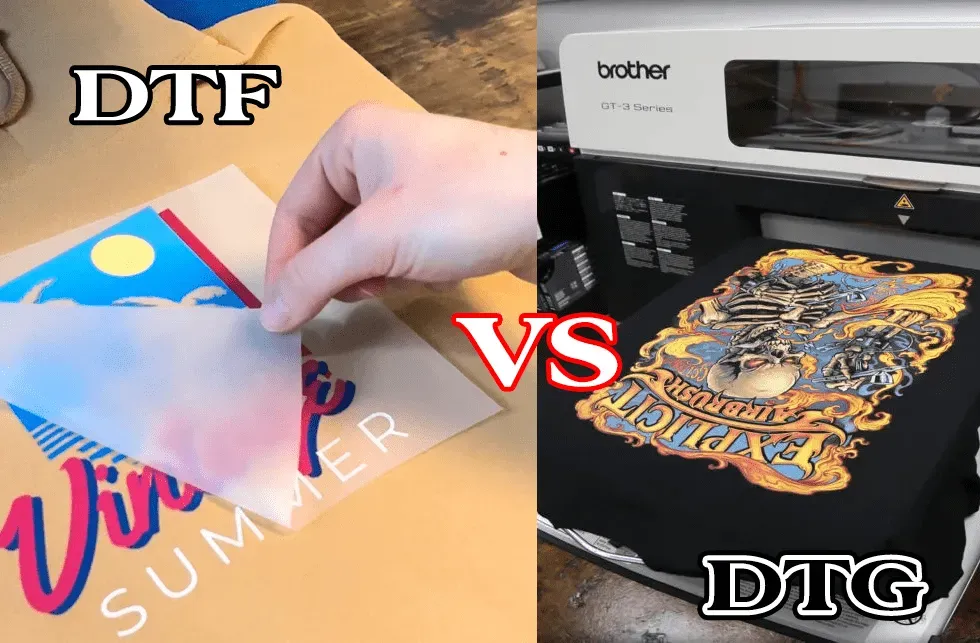
When it comes to custom apparel printing, understanding DTF vs DTG printing is essential for making an informed choice. Direct-to-Film (DTF) and Direct-to-Garment (DTG) printing are two cutting-edge techniques that have revolutionized the way designs are applied to fabric. DTF printing involves applying designs to a special film before transferring them onto the garment, while DTG directly prints designs onto the fabric using advanced inkjet technology. Each method boasts unique advantages, catering to different printing needs in the industry. In this guide, we will explore the intricacies of these apparel printing methods and help you determine which custom printing technique best suits your requirements.
In the realm of custom clothing production, comparisons between direct-to-film and direct-to-garment techniques unveil important insights for designers and businesses alike. Both approaches, known for their cutting-edge technology, serve distinct purposes within the apparel printing landscape. Direct-to-Film (DTF) printing allows for versatile applications across various fabric types, while Direct-to-Garment (DTG) focuses on delivering high-quality, intricate designs. Understanding the nuances and capabilities of these innovative printing methods is crucial for selecting the right process for your artistic visions. As we delve deeper, we will uncover key factors to consider when choosing the ideal printing solution for your custom apparel projects.
Comparing DTF vs. DTG Printing: A Comprehensive Overview
When evaluating DTF and DTG printing, it’s essential to understand how each method differentiates itself in the world of custom apparel. DTF printing utilizes a film as the medium to transfer designs, making it versatile for various fabric types, while DTG printing applies ink directly onto the garment. This fundamental difference affects not only the process but also the end result, with each method showcasing unique strengths suited for different printing needs.
For businesses focused on mass production, DTF might present a more efficient solution due to its quick setup and adaptability to different materials. Conversely, DTG stands out for its exceptional color accuracy and detail, making it ideal for showcasing vibrant and complex designs. By weighing these attributes, businesses can navigate the choice between DTF vs DTG more effectively, aligning their operations with specific project requirements.
Frequently Asked Questions
What is the difference between DTF and DTG printing?
DTF printing (Direct-to-Film) involves printing designs onto a film using water-based inks, which are then transferred onto fabric. In contrast, DTG printing (Direct-to-Garment) directly applies ink onto the fabric, typically resembling a home printing process. The main difference lies in application and versatility; DTF can be used on more fabric types, while DTG excels in print quality.
When should I choose DTF over DTG printing for my apparel?
Choose DTF printing when you need versatility across various fabrics, including blends and dark colors. It is also ideal for larger production runs due to its faster output and cost-effectiveness. On the other hand, if your designs require exceptional detail and color vibrancy on light-colored, cotton fabrics, DTG may be a better fit.
What are the benefits of using DTF printing in comparison to DTG printing?
The advantages of DTF printing over DTG include greater versatility in fabric compatibility, lower initial equipment costs, faster production speeds, and durability of prints. DTF’s ability to work well on a variety of materials makes it a more adaptable choice for diverse custom printing needs.
Is DTG printing suitable for all types of fabrics?
No, DTG printing is primarily designed for cotton fabrics, particularly light-colored garments. It tends to underperform on darker fabrics and synthetic blends, which can limit its application. If you need a method that works on a wider range of materials, DTF printing might be the ideal alternative.
How do production volumes affect the choice between DTF and DTG printing?
Production volumes significantly influence your choice between DTF and DTG printing. DTF printing often offers faster turnaround times, making it more suitable for large orders or quick fulfillment. Conversely, DTG is better for smaller batches or intricate designs that require high print quality.
What are the environmental considerations for DTF and DTG printing techniques?
DTG printing often utilizes eco-friendly inks, making it a sustainable option for environmentally-conscious brands. DTF printing can also be made more eco-friendly, but it primarily depends on the types of inks and materials used. Evaluating your ink choices in both methods will help determine the environmental impact of your printing process.
| Key Aspect | DTF Printing | DTG Printing |
|---|---|---|
| Definition | Prints designs onto a special film using water-based inks before transferring to fabric | Directly applies inks onto fabric using inkjet technology, similar to a home printer |
| Versatility | Works with various fabrics, including cotton, polyester, and blends | Best on cotton; struggles with dark or synthetic fabrics |
| Print Quality | Durability with excellent adhesion, resists fading over time | Exceptional quality with clarity and vibrancy; no color limits |
| Cost | Economical with lower initial equipment, inks, and films | Higher costs for equipment and inks, but offers high-quality output |
| Speed | Faster production speeds, making it suitable for bulk orders | Slower than DTF for large volumes but ideal for detailed designs |
Summary
DTF vs DTG printing presents two distinct methods for custom apparel printing, each with unique strengths. DTF printing shines in versatility, durability, and cost-effectiveness, making it ideal for various fabric types and bulk orders. In contrast, DTG printing is celebrated for its superior print quality and eco-friendly options but has limitations in fabric compatibility. Ultimately, the choice between DTF and DTG should be driven by specific business needs, customer demands, and design complexity. As both technologies continue to evolve, staying updated on advancements in each method will empower businesses to make informed decisions about their printing strategies.