UV DTF Printing: Revolutionizing Traditional Printing Methods
In the ever-evolving landscape of printing technologies, **UV DTF printing** has emerged as a revolutionary alternative that challenges traditional printing methods. This innovative process allows for direct-to-film applications that yield vibrant images and intricate details unmatched by conventional techniques. The advantages of DTF printing are clear, particularly when considering the incredible durability that UV DTF offers, ensuring prints withstand the test of time without fading or peeling. Moreover, UV DTF stands out for its ability to print on a diverse range of substrates, making it a versatile choice for various applications. As sustainability becomes a crucial factor in today’s market, eco-friendly printing solutions like UV DTF printing align perfectly with businesses aiming to reduce their environmental impact while maintaining high-quality output.
When discussing advanced printing technologies, one cannot overlook the potential of UV Direct-to-Film printing, a modern approach set to transform the industry. Often compared with traditional methods such as screen printing, this technique brings forth significant benefits, including enhanced durability and faster turnaround times. Not only does DTF printing deliver superior results on a wide array of materials, but it also champions sustainability by minimizing waste and using environmentally friendly inks. In comparison with its predecessors, UV DTF printing highlights a notable shift toward more efficient and effective printing practices. As businesses seek innovative solutions to meet consumer demands, embracing methods like UV DTF is essential for staying competitive in the market.
The Evolution of Printing Technologies
In the past few decades, the printing industry has witnessed a remarkable evolution, transitioning from traditional methods to innovative technologies that enhance quality and efficiency. Traditional printing techniques such as offset lithography, screen printing, and flexography have long been the backbone of the industry. However, they come with limitations, including longer setup times, higher labor costs, and reduced flexibility in adapting to new design trends.
As technology advances, printing solutions are becoming increasingly sophisticated. New methods like UV DTF printing have emerged, which disrupt the conventional landscape by providing faster turnaround times, superior quality, and the ability to print on a wider variety of substrates. By embracing these advancements, businesses can significantly improve their workflow and production capabilities.
DTF Printing Advantages for Your Business
DTF printing stands out in the crowded printing landscape primarily due to its versatility and efficiency. One major advantage of DTF printing is its ability to produce vibrant, detailed designs that closely replicate the original artwork. This capability allows businesses to meet the growing demand for customized products without compromising on quality.
Additionally, DTF printing eliminates the need for excessive setup processes, enabling quicker production runs. This means that businesses can respond rapidly to market changes or customer demands, giving them a competitive edge. Whether producing promotional materials or unique merchandise, the advantages of DTF printing can lead to enhanced customer satisfaction and increased sales.
UV DTF vs. Traditional Printing Methods
When comparing UV DTF printing to traditional printing methods, several key differences emerge that can influence a business’s choice of technology. Traditional methods often rely heavily on mechanical processes and multiple color separations, which can complicate the production pipeline. The intricacies involved in setup not only demand more time but also inflate costs associated with labor and materials.
In contrast, UV DTF printing simplifies this process significantly. By allowing designs to be printed directly onto films and cured instantly under UV light, it enables rapid production without the traditional bottlenecks. This efficiency makes UV DTF a favorable choice for businesses seeking to enhance their operational speed while maintaining high-quality outputs.
Durability and Quality in UV DTF Prints
Durability is a crucial factor that businesses must consider when selecting a printing method. Traditional printing can sometimes result in finished products that show wear and fading over time, particularly if exposed to sunlight or subjected to frequent use. This limitation can lead to increased customer complaints and returns.
On the other hand, UV DTF printing boasts higher durability due to its unique curing process that forms a protective layer over the printed designs. This technology results in prints that are waterproof, scratch-resistant, and resistant to UV light degradation, assuring businesses that their products will stand the test of time and retain their vibrant appearance.
Eco-Friendly Aspects of UV DTF Printing
Environmental sustainability is becoming an integral concern across all industries, including printing. Traditional printing methods often employ inks and solvents that are harmful to the environment, coupled with wasteful practices that contribute to a larger carbon footprint. The use of screens and other materials contributes to substantial waste, raising challenges for companies looking to implement more sustainable practices.
In contrast, UV DTF printing presents a more eco-friendly alternative. The technology minimizes waste by eliminating the need for screens and reduces reliance on harmful chemicals in the production process. Companies that adopt UV DTF printing not only enhance their productivity but also align themselves with the growing demand for green printing solutions.
The Cost Efficiency of UV DTF Printing
Cost considerations play a significant role in the decision-making process for businesses when selecting a printing method. Traditional printing methods may have lower initial setup costs but often lead to hidden expenses, such as labor costs for setup, longer production times, and the need for multiple print runs.
UV DTF printing, while it may require a higher upfront investment for the equipment, provides excellent long-term cost savings. Due to its efficiency, faster turnaround, and ability to print directly onto various substrates, it reduces the need for extensive labor and multiple production processes, drawing out significant savings over time.
Frequently Asked Questions
What are the advantages of UV DTF printing compared to traditional printing methods?
UV DTF printing offers several advantages over traditional printing methods, including faster production times, improved substrate compatibility, and enhanced durability. Unlike screen printing or heat transfer, which may struggle with non-porous surfaces, UV DTF can print on a wide range of materials, providing versatility for various projects. Additionally, the resulting prints are more resistant to fading, scratching, and environmental factors, making UV DTF an excellent choice for long-lasting products.
How does UV DTF durability compare to other printing methods?
The durability of UV DTF printing surpasses that of many traditional printing methods, such as screen printing and heat transfer. UV DTF prints are highly resistant to scratches, water, and UV exposure, ensuring that colors remain vibrant and intact over time. This makes UV DTF suitable for products that will experience wear and tear, such as promotional items and custom packaging, where durability is essential.
In what ways is UV DTF printing an eco-friendly printing solution?
UV DTF printing is considered an eco-friendly solution as it minimizes material waste and utilizes less harmful chemicals compared to traditional printing methods. The process requires no screens or heavy solvents, reducing the overall carbon footprint. Businesses adopting UV DTF can align their production practices with environmental sustainability goals while still achieving high-quality results.
What is the difference between DTF printing advantages and UV DTF printing?
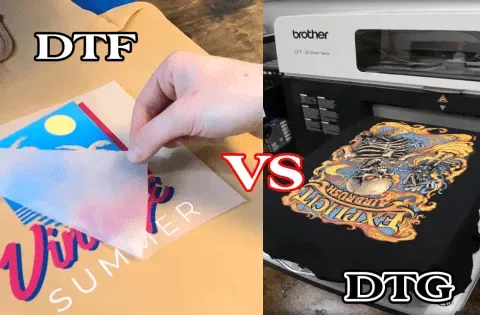
While both DTF printing and UV DTF printing share similarities, UV DTF offers several key advantages. DTF printing typically uses heat to transfer designs onto fabrics, which limits substrate options, while UV DTF can print on a diverse array of materials, including hard surfaces like metals and glass. Additionally, UV DTF provides superior durability and vibrancy in prints due to its curing process with ultraviolet light.
What materials can be used with UV DTF printing that traditional methods cannot handle?
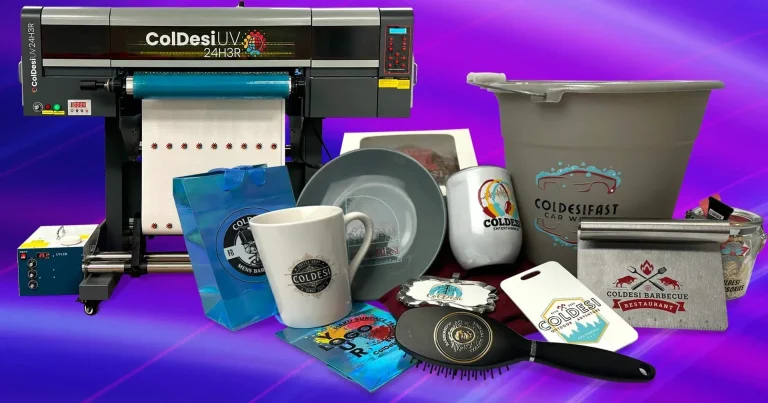
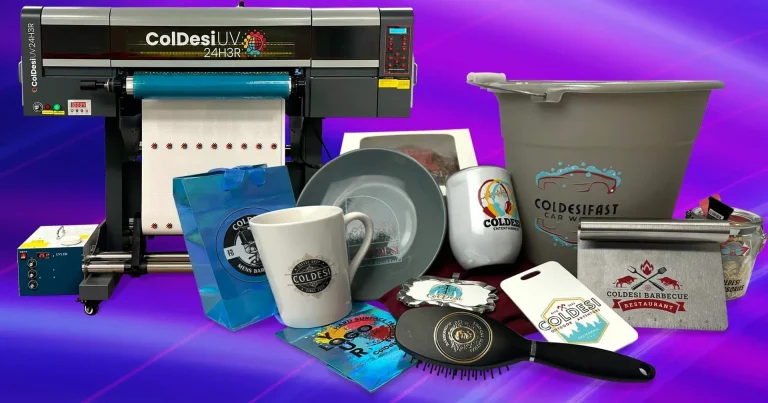
UV DTF printing excels in its ability to print on a variety of substrates that traditional printing methods struggle with, such as plastics, glass, ceramics, and metals. Traditional methods often cater primarily to textiles, leaving many other surfaces untapped. The versatility of UV DTF allows for a broader range of products and creative applications.
How does the cost of UV DTF printing compare to traditional printing methods?
Though the initial investment for UV DTF printing equipment may be higher, it often proves to be more cost-effective in the long run compared to traditional printing methods. Conventional printing incurs ongoing costs related to setup and labor for each run, particularly for small batch jobs. UV DTF technology, however, reduces these costs with faster production times and higher efficiency, leading to greater overall savings for businesses.
| Key Aspect | Traditional Printing Methods | UV DTF Printing |
|---|---|---|
| Printing Process | Labor-intensive and time-consuming; requires setup and multiple steps. | Modern and streamlined; prints designs directly onto film and cures with UV light. |
| Substrate Compatibility | Mainly for textiles; struggles with non-porous surfaces. | Adaptable to a wide range of substrates including glass, metals, and plastics. |
| Durability and Finish | Potential fading, cracking, or peeling over time. | Scratch-resistant, waterproof, and UV-resistant with vibrant colors. |
| Environmental Impact | Higher waste and reliance on less eco-friendly inks and chemicals. | Reduced waste; cleaner production with minimal chemicals. |
| Cost Considerations | Cumulative expenses can be high for setup and materials. | Cost-effective long-term, especially for high-quality jobs. |
Summary
UV DTF printing has emerged as a groundbreaking solution in the printing industry, redefining the capabilities and efficiencies of traditional printing methods. This innovative process not only enhances the versatility and durability of printed products but also supports sustainable practices by minimizing waste and the use of harmful chemicals. Whether for promotional items or unique gifts, UV DTF printing stands out by offering immediate results with stunning clarity and a wide range of substrate compatibility. Adopting UV DTF technology could be a pivotal move for businesses aiming to stay competitive and environmentally conscious in an ever-evolving market.