UV DTF Printing Techniques: Top Tips for Mastery
UV DTF printing techniques have revolutionized the printing industry, providing a unique method for achieving vibrant and long-lasting prints across a multitude of surfaces. As both professionals and enthusiasts delve into this innovative process, understanding the key aspects of UV DTF printing can lead to stunning results. This article serves as a comprehensive guide, offering essential UV printing tips, insights into the DTF printing process, and best practices for UV DTF printing materials. Emphasizing the significance of quality materials, effective printer settings, and proper post-treatment practices, we aim to equip you with the knowledge needed to elevate your printing game. Join us as we explore how to master UV DTF printing for exceptional, eye-catching prints that stand the test of time.
Exploring alternative printing methodologies, UV DTF (Direct to Film) printing stands out for its capability to seamlessly transfer intricate designs onto various substrates, harnessing the power of ultraviolet light for ink curing. Often referred to as advanced direct-to-image printing, this technique is particularly favored for its efficiency and superior output quality. Understanding the fundamentals of the UV DTF process, including the significance of quality prints and effective curing methods, can greatly enhance the printing experience. This discussion will encompass practical insights and optimization strategies, ensuring that you can leverage the best practices associated with UV DTF materials for stunning and durable designs. Embrace this cutting-edge approach to elevate your creativity in the world of printing.
Essential Insights into UV DTF Printing Techniques
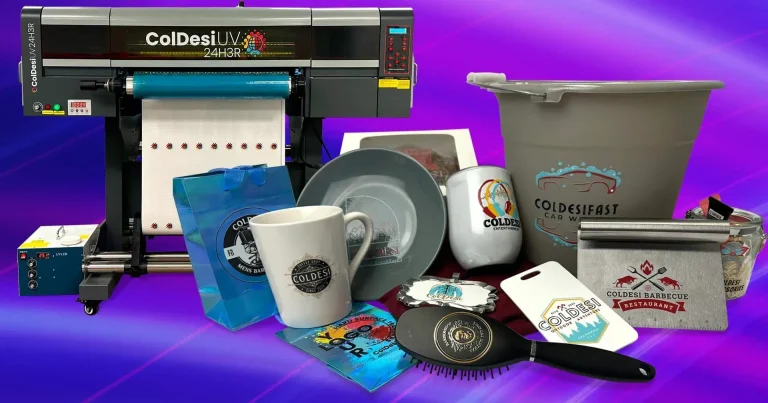
UV DTF (Direct to Film) printing is a revolutionary approach that allows for the transfer of intricate designs onto a variety of surfaces with unparalleled vibrancy and durability. Understanding this process is crucial for anyone looking to achieve high-quality prints. This technique utilizes ultraviolet light to cure inks, providing immediate adherence and less drying time when compared to traditional printing methods. As a result, UV DTF printing has gained popularity in diverse sectors, from fashion to promotional products, due to its efficiency and versatility.
To master UV DTF printing techniques, one must ensure familiarity with the entire printing workflow, which begins at the design stage. Choosing the right digital designs and understanding the specifications for UV printing can ensure that masterpieces translate perfectly onto films. Additionally, recognizing how different substrates react when exposed to UV light will aid in producing prints that not only meet but surpass client expectations.
Understanding the DTF Printing Process for Quality Output
The DTF printing process is essential to achieving desirable outcomes. This method involves printing designs onto special transfer films which are then applied to the selected substrate using heat and pressure. Understanding how each stage works can dramatically improve the quality of prints produced. Key features such as film adhesion and ink compatibility must be considered, as they are vital in achieving vibrant color representation and print durability.
Moreover, every DTF printer has unique settings that influence the final output. This variation makes it crucial to tailor the printing conditions such as temperature, pressure, and dwell time. Optimizing these settings for your specific printer ensures that each print achieves its highest potential, leading to robust and vibrant prints that effectively showcase the intended designs.
Best Practices for UV DTF Printing Materials
The choice of materials in UV DTF printing directly impacts the quality and durability of the finished product. It’s essential to invest in premium transfer films specifically manufactured for UV DTF applications, as they enhance the adherence of inks and contribute to a more vivid print output. Similarly, opting for top-tier UV inks that are designed to be resilient in terms of color retention and resistance to environmental challenges can significantly elevate the final results.
It is equally important to stay informed about the latest advancements in UV DTF materials. Regularly evaluating the testing and performance reviews of films and inks can provide insights into new products that may offer improved performance or innovative qualities. Knowledge of what materials best suit your specific application or technique can make a massive difference in the overall success of your printing endeavors.
Optimizing Printer Settings for Superior Results
Optimizing printer settings is key to achieving superior results in UV DTF printing. Key adjustments include setting the correct resolution and print speed, which together influence the clarity and vibrancy of the printed design. A higher DPI setting typically results in sharper details; however, it’s important to find a balance that also accommodates the speed requirements of production without compromising on quality.
In addition to DPI and print speed, other settings such as ink density and layering options can also be fine-tuned for optimal results. Adapting your printer’s configurations according to the substrate type can lead to more consistent and visually appealing outcomes, ensuring that each print meets the standard that your audience expects.
Pre-Treatment Techniques for Improved Adhesion
Pre-treatment techniques play a vital role in achieving optimal ink adhesion when it comes to UV DTF printing. A clean film surface is crucial; thus, before printing, it is vital to ensure that transfer films are free from contaminants like dust and oil. Many experts recommend using specific cleaning solutions or wipes designed for such tasks. This preparation step is essential for ensuring that inks adhere correctly and maintain their vibrancy across the entire surface.
Another effective technique includes applying adhesion promoters that come from trusted manufacturers. These products are designed to enhance the ink’s bond to the substrate and can lead to longer-lasting prints. By incorporating the right pre-treatment methods into your workflow, you not only ensure greater print durability but also reduce the likelihood of peeling or fading over time.
The Critical Role of the Curing Process in UV DTF Printing
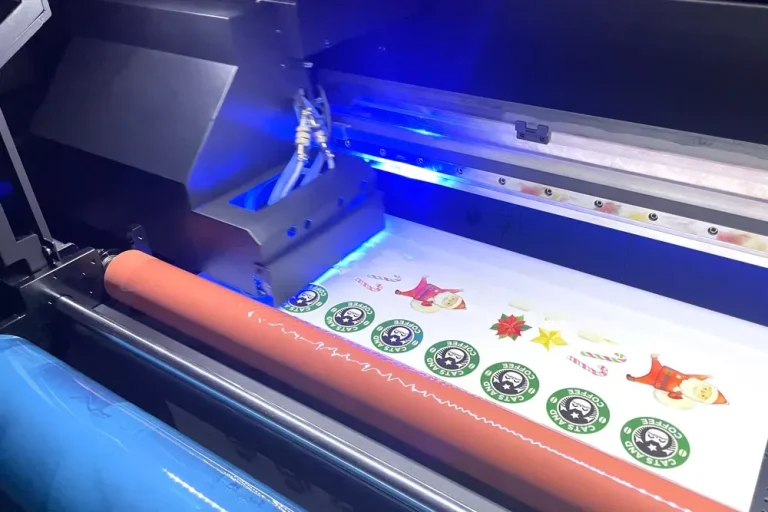
The curing process is one of the distinguishing factors in UV DTF printing, affecting both the quality and lifespan of the prints produced. Proper UV curing ensures that the inks are fully set, eliminating issues such as smudging or fading that occur when prints are handled prematurely. Investing in high-quality UV curing equipment can significantly impact the reliability of this step, promoting efficient energy use and enhanced curing precision.
Furthermore, adherence to the manufacturer’s guidelines regarding curing times and distances is critical for maximizing output. Too brief a curing period can lead to weak adhesion, while over-curing can cause undesirable effects like cracking or discoloration. Regularly reviewing and calibrating your curing setup is essential for maintaining consistent output quality, which is paramount in both professional settings and DIY projects.
Frequently Asked Questions
What are the best practices for UV DTF printing techniques?
To excel at UV DTF printing techniques, focus on several best practices: use high-quality films designed for UV DTF, select durable inks with superior adhesion, optimize printer settings for resolution and print speed, and regular maintenance of your equipment. Pre-treating your films for adhesion and ensuring proper curing also play crucial roles in achieving vibrant and lasting prints.
How does the DTF printing process differ from traditional printing methods?
The DTF printing process differs from traditional methods by utilizing a transfer film and UV light to cure the ink. Unlike conventional printing that may use a variety of inks and substrates without a curing process, UV DTF ensures faster curing and better durability, resulting in vivid colors and detailed prints suitable for diverse materials.
What materials are recommended for successful UV DTF printing?
For successful UV DTF printing, it’s essential to use high-quality films specifically made for this technique and reliable UV inks known for their longevity. Choosing appropriate substrates is equally important; common materials include plastics, metals, and fabrics, which should be tested for compatibility with UV DTF inks.
What UV printing tips can help improve print durability?
To enhance print durability in UV printing, consider the following UV printing tips: pre-treat films with adhesion promoters, ensure clean and prepared surfaces, calibrate your printer for accurate color reproduction, and use optimal curing equipment to guarantee proper ink hardening.
Why is color management important in UV DTF printing?
Color management is important in UV DTF printing because it ensures accurate color representation from design to final print. By regularly calibrating monitors and printers and utilizing ICC color profiles, printers can maintain consistency and ensure that the colors printed accurately reflect the designers’ intentions.
How can one optimize printer settings for UV DTF printing?
To optimize printer settings for UV DTF printing, adjust the resolution to a high DPI for sharp details while balancing it with print speed. Lowering print speeds can enhance ink deposition for richer colors, but make sure to adapt these settings to the specific job requirements for best results.
| Key Point | Description |
|---|---|
| Understanding UV DTF Printing | UV DTF is an innovative technique that transfers ink via ultraviolet light, producing durable and high-quality prints. |
| Quality Materials Matter | Using high-quality films and UV inks is crucial for achieving optimal results in print durability and vibrancy. |
| Optimizing Printer Settings | Adjust DPI for detail and balance print speed with ink deposition for best quality. |
| Pre-Treatment for Enhanced Adhesion | Clean films and apply adhesion promoters to improve ink adhesion and print quality. |
| The Importance of the Curing Process | Invest in reliable UV curing equipment and follow exposure time guidelines for durability. |
| Mastering Color Management | Regularly calibrate devices and utilize ICC color profiles for accurate color representation. |
| Handling Prints with Care | Allow adequate curing time and store prints properly to avoid damage. |
| Regular Maintenance is Key | Routine cleaning and monitoring of equipment are vital for maintaining print quality. |
| Embrace Experimentation | Test various substrates and layering techniques to discover unique results. |
Summary
UV DTF printing techniques are rapidly gaining popularity due to their ability to create vibrant and long-lasting prints. To master this method, one must focus on using high-quality materials like specialized films and durable inks. Adjusting printer settings to optimize resolution and print speed is also essential, alongside pre-treating films for better adhesion. Proper curing practices, color management, and careful handling further enhance print durability and accuracy. Regular maintenance of printing equipment is crucial for ensuring consistent quality. Lastly, experimenting with different surfaces and ink combinations can lead to unique and impressive results. Embracing these factors will significantly improve your proficiency in UV DTF printing.