UV DTF Printing: The Top Choice for Custom Printing Pros
In the fast-paced realm of custom printing, UV DTF printing has quickly established itself as a premier choice among professionals. With its innovative use of UV printing technology combined with direct-to-film techniques, this cutting-edge approach not only delivers vibrant and durable prints but also enhances efficiency in production. As businesses in the printing industry leverage these custom printing solutions, they are responding to the latest market trends demanding high-quality and personalized products. The capability of UV DTF to cater to a wide variety of substrates makes it a pivotal player in the shift towards sustainable printing practices, aligning with eco-conscious consumer preferences. For those looking to stay ahead in this competitive landscape, UV DTF printing offers a remarkable solution that balances quality, speed, and environmental responsibility.
Introducing the world of UV DTF printing, also known as direct-to-film printing, reveals a dynamic approach to modern printing solutions. This technology merges the efficiency of UV printing methods with the versatility of film applications, creating opportunities for a diverse range of substrates like textiles, plastics, and metals. As the printing industry evolves, embracing innovations in custom print solutions has become paramount, reflecting the desire for durability and aesthetic appeal in final products. Direct-to-film printing not only supports emerging industry trends but also emphasizes the growing movement towards sustainability in print practices. It is in this new landscape that professionals find themselves navigating the exciting capabilities of advanced printing technologies.
Understanding UV DTF Printing: A Game Changer
UV DTF printing, or Ultraviolet Direct-to-Film printing, represents a significant evolution in the printing industry that combines the strengths of UV printing technology with the convenience of direct-to-film methods. This cutting-edge technique allows for high-resolution images to be directly transferred onto a variety of substrates, including fabrics, wood, and plastics. The unique curing process involves using UV light to harden inks instantly, ensuring vibrant colors and sharp image details that stand the test of time.
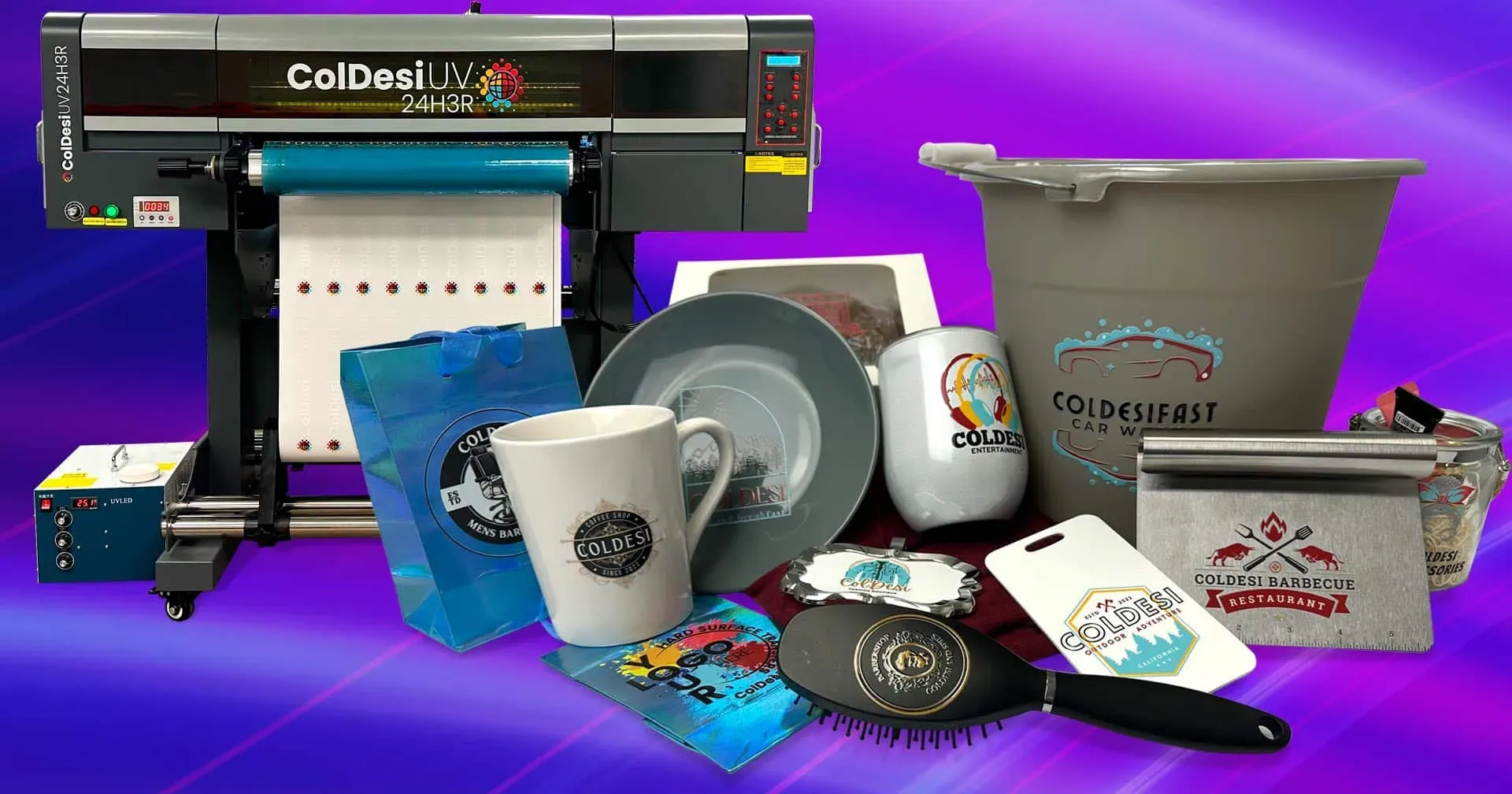
Professionals in the custom printing sector are increasingly gravitating towards UV DTF because of its unmatched versatility. Unlike many conventional printing systems that are limited to specific materials, UV DTF can effortlessly print on surfaces that include textiles, glass, metal, and more. This flexibility enables businesses to tap into a broader market scope, providing tailored solutions that meet varied customer needs, from promotional items to personalized apparel.
The Advantages of Choosing UV DTF Printing
The adoption of UV DTF printing opens the door to numerous benefits for businesses in the printing industry. First and foremost, the durability of UV DTF printed items significantly outshines many traditional methods. The UV inks are resistant to scratches, fading, and moisture, allowing for long-lasting products that are ideal for high-use environments. This quality not only enhances customer satisfaction but also reduces the costs of reprints and returns due to poor quality.
Speed is another compelling advantage of UV DTF printing. The quick curing times associated with UV technology mean that businesses can produce printed items faster than ever before. Clients are increasingly seeking rapid turnaround times without compromising print quality, and UV DTF meets this demand perfectly. As a result, businesses can fulfill orders with speed, keeping up with market trends and ensuring customer loyalty through timely delivery.
Emerging Trends in the UV Printing Sector
The rise of personalized products has been monumental in the custom printing industry, and UV DTF technology continues to capitalize on this trend. Reports indicate a growing consumer preference for unique and customized items, leading businesses to adopt UV DTF processes that allow for high-quality, personalized solutions. The ability to produce intricate designs quickly and efficiently has positioned UV DTF printing as a strategic advantage in a competitive market.
Additionally, technological advancements in UV printing are influencing market trends. Modern UV DTF printers are equipped with improved resolution and color accuracy capabilities that exceed previous printer generations. Such technology ensures that graphic designers and print providers can create breathtaking prints that not only meet but exceed customer expectations, further solidifying UV DTF as a top choice for professionals.
Industry Adoption of UV DTF Technology
The printing industry’s response to UV DTF technology has been overwhelmingly positive, with many companies integrating this innovative method into their operations. Leading print firms are harnessing UV DTF to enhance their service offerings and meet the increasing demands for customized products. This integration not only boosts production efficiency but also aligns with consumer expectations for quality and personalization.
As businesses adopt UV DTF printing, they can better cater to niche markets that require specialty printing solutions. From promotional merchandise to custom apparel, the versatility of UV DTF allows firms to expand their range of services, thus driving revenue growth and customer satisfaction. Recent studies underscore the success stories of firms that have embraced this technology, showing significant improvements in their business outcomes.
Innovative Technologies in UV DTF Printing
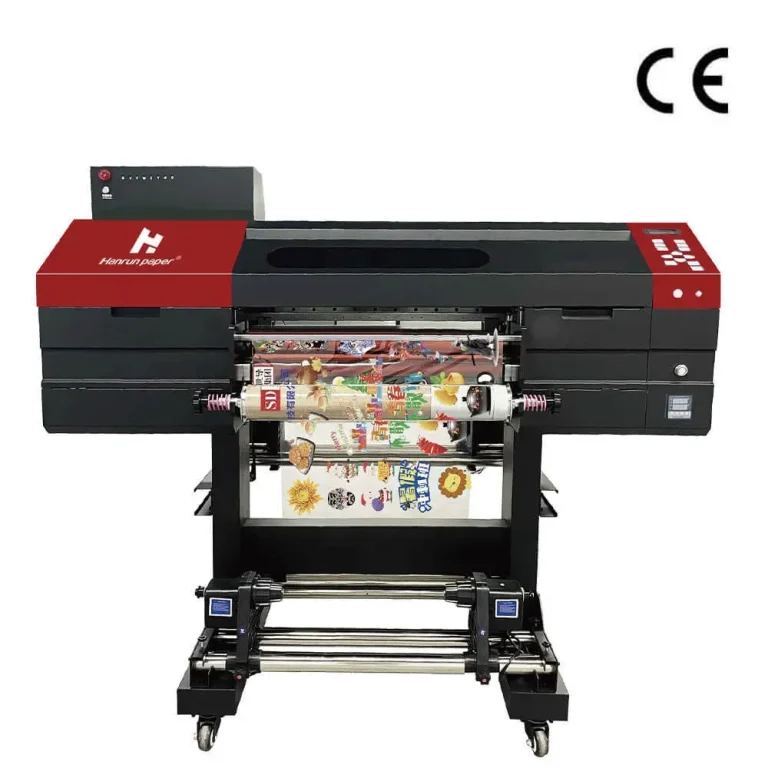
Technological innovations are continuously shaping the landscape of UV DTF printing. Recent advancements have introduced printers with enhanced features, such as greater energy efficiency and improved color management. These innovations enable printers to maintain consistent quality while reducing operational costs—a win-win scenario for printing businesses looking to thrive in a competitive environment.
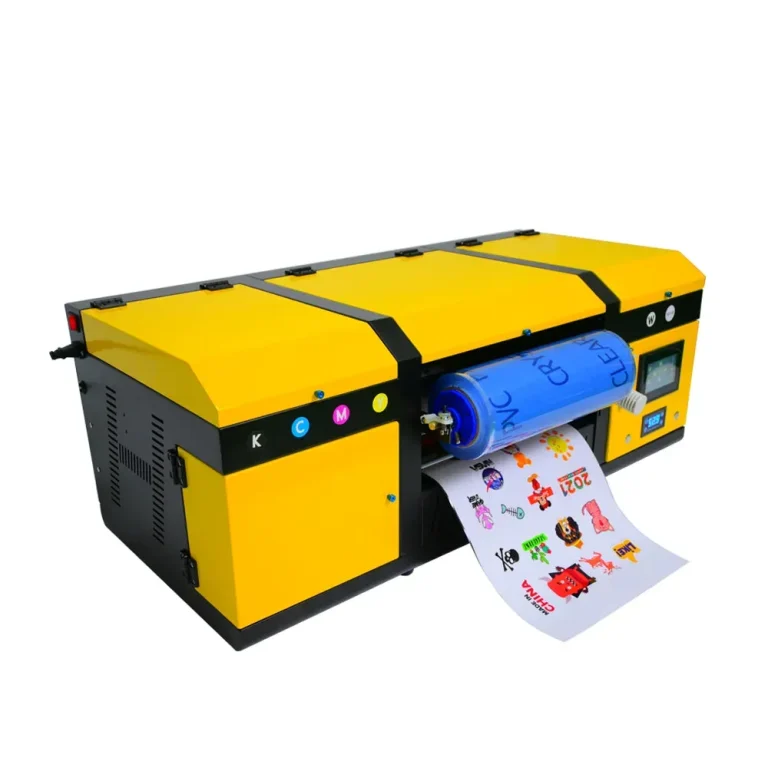
Moreover, the integration of user-friendly interfaces and automated processes has made UV DTF technology more accessible to businesses of all scales. Smaller print shops, which may have previously found high-end printing systems cost-prohibitive, can now leverage UV DTF to elevate their services, making sophisticated custom printing solutions available to a wider audience. The result is a democratization of technology within the printing industry, allowing all sizes of businesses to compete effectively.
Sustainability and UV DTF Printing: A Perfect Match
As the custom printing industry moves toward more sustainable practices, UV DTF printing is setting a strong example by minimizing waste and utilizing eco-friendly processes. This printing method often incorporates inks that are free from harmful solvents, aligning with consumer demands for environmentally responsible products. As sustainability becomes a key concern for consumers, businesses adopting UV DTF not only fulfill their printing needs but also demonstrate a commitment to reducing their ecological footprint.
The focus on sustainable printing practices is paving the way for businesses to connect more deeply with environmentally conscious customers. By offering UV DTF printed products that champion sustainability, companies can differentiate themselves in a crowded market. This alignment with eco-friendly trends positions UV DTF printing as a forward-thinking choice that meets contemporary consumer values, fostering stronger brand loyalty.
Frequently Asked Questions
What is UV DTF printing and how does it work?
UV DTF (Direct-to-Film) printing is a hybrid printing technology that combines the benefits of UV printing with direct-to-film techniques. It utilizes UV light to cure inks on various substrates, allowing for high-quality, durable prints on surfaces like textiles, plastics, wood, and metal. This method results in vibrant images that are resistant to scratches and fading, making them suitable for various applications in the custom printing industry.
What are the key advantages of using UV DTF printing in the custom printing sector?
The key advantages of UV DTF printing include its versatility, allowing for printing on multiple materials; its durability, which ensures long-lasting quality in printed products; and its speed, providing quicker turnaround times compared to traditional printing methods. These advantages make UV DTF an ideal solution for businesses seeking to meet the demand for personalized products efficiently.
How does UV DTF printing contribute to sustainability in the printing industry?
UV DTF printing contributes to sustainability through the use of eco-friendly inks and processes designed to minimize waste and reduce environmental impact. By utilizing UV light for curing, this technology decreases the need for solvents and lengthy drying times, supporting a more sustainable approach in the printing industry and appealing to environmentally conscious customers.
What printing materials can be used with UV DTF technology?
UV DTF technology is incredibly versatile, capable of printing on a wide range of materials including textiles, plastics, cardboard, wood, and even metal. This flexibility allows businesses to diversify their offerings, producing everything from custom apparel to promotional items with high-quality designs that stand out.
What emerging trends are influencing the adoption of UV DTF printing in the market?
Emerging trends influencing the adoption of UV DTF printing include the increasing demand for personalized products, advancements in printing technology that enhance quality while lowering costs, and a shift towards sustainable practices in the printing industry. Companies are leveraging UV DTF to meet these evolving consumer preferences effectively.
How do technological advancements impact UV DTF printing capabilities?
Technological advancements significantly enhance UV DTF printing capabilities by improving color accuracy, resolution, and energy efficiency in printing machinery. These innovations are making UV DTF technology more accessible, especially for small to mid-sized businesses, enabling them to produce high-quality graphics akin to larger commercial printers.
| Key Point | Details |
|---|---|
| What is UV DTF Printing? | A hybrid printing technology that combines UV printing and direct-to-film processes, allowing high-quality, durable prints on various substrates. |
| Advantages of UV DTF Printing | 1. Versatility across materials. 2. High durability against scratches and fading. 3. Quick turnaround times due to UV curing. |
| Emerging Market Trends | Growing consumer demand for personalization is driving the market, supported by advances in printing technology. |
| Industry Adoption | Leading companies are integrating UV DTF due to its capability to meet consumer desires for customization. |
| Technological Innovations | New models offer enhanced color accuracy and resolution, making it more accessible to small businesses. |
| Environmental Sustainability | Development of eco-friendly inks and processes to align with consumer demand for sustainable practices. |
Summary
UV DTF printing is rapidly becoming a predominant technology in the custom printing industry due to its remarkable versatility and durability. This innovative method enables high-quality prints on a variety of materials while ensuring rapid turnaround times that meet the needs of today’s fast-paced market. As businesses increasingly adopt UV DTF technology, they can cater to consumer preferences for customized and personalized products, which is driving growth in the sector. Furthermore, technological advancements are making UV DTF printing more efficient and accessible for companies of all sizes, enhancing the overall appeal of this printing method. In light of these factors, UV DTF printing not only meets contemporary business demands but also addresses sustainability concerns, positioning it as a leading choice in the future of printing.