UV DTF Printing: The Ultimate Guide with Tips and Tricks
UV DTF printing is rapidly emerging as a groundbreaking technology in the printing industry, merging the best facets of traditional DTF printing with the advanced capabilities of UV printing technology. This innovative process not only offers stunning visuals and vibrant colors but also allows for high-quality prints on various substrates, catering to diverse industries, from fashion to promotional merchandise. As businesses seek to enhance their offerings through custom UV printing, understanding the nuances of UV DTF printing becomes essential. In this guide, we will explore the advantages, applications, and key printing tips that can help you optimize this remarkable printing method. Prepare to unlock your creative potential as we delve into the fascinating world of UV DTF printing and how it can elevate your production capabilities.
Often referred to as direct transfer film printing with ultraviolet curing, UV DTF printing represents a fusion of cutting-edge UV printing techniques and the versatility of direct-to-film methods. This approach utilizes specialized inks that cure instantly under UV light, allowing for quick job turnaround and robust, durable results. Its growing popularity stems from its ability to produce exquisite designs on a wide range of materials, making it a favorite among companies looking for customized solutions. As we explore this advanced printing process, we will highlight its diverse applications, advantages, and provide valuable insights that can lead to high-quality prints. This comprehensive examination of UV DTF printing will empower you to make informed decisions about your printing strategies.
Understanding the Basics of UV DTF Printing
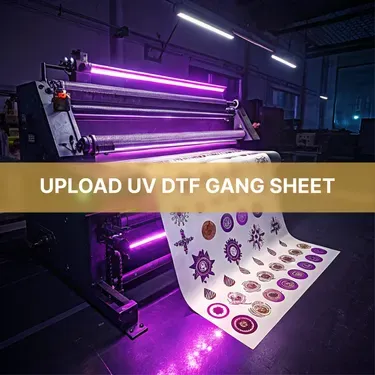
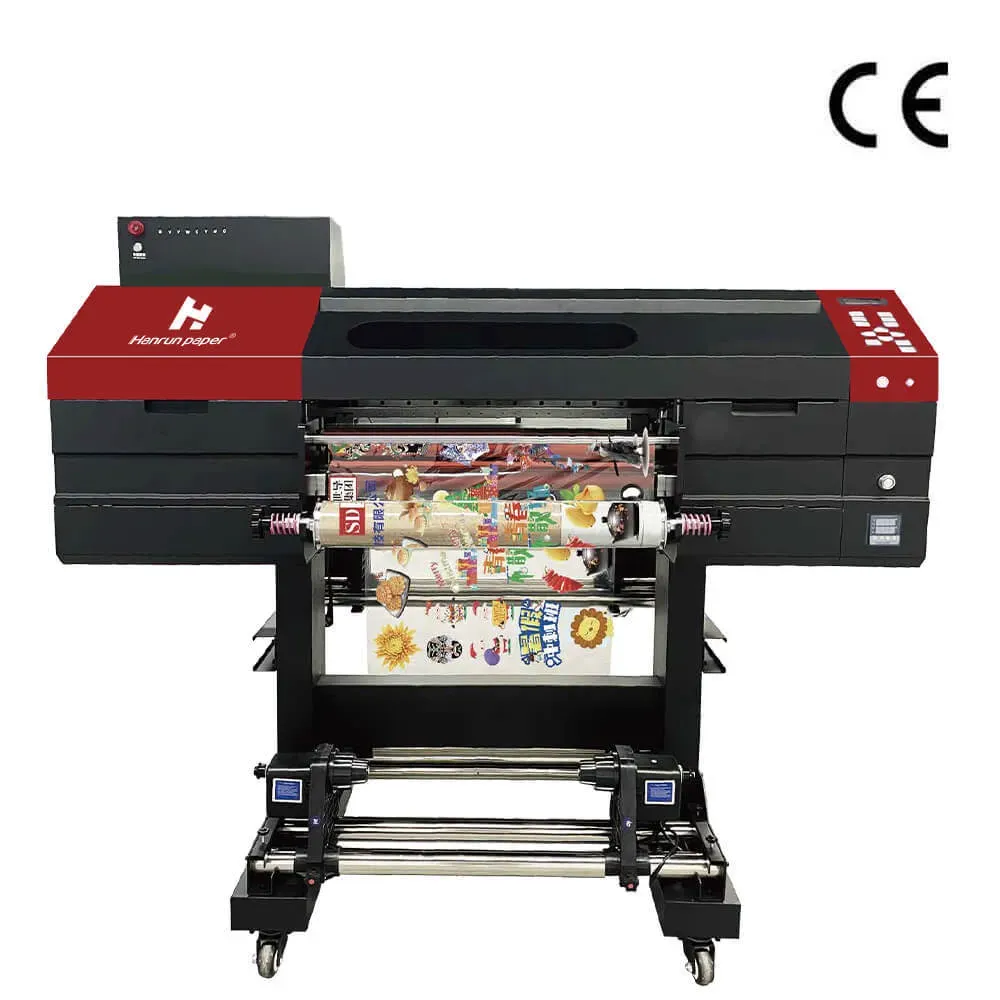
UV DTF printing, or Direct to Film printing, is an advanced printing technology that enhances traditional DTF processes. In this method, specialized UV inks are printed onto a transfer film and immediately cured using ultraviolet light. This instant curing ensures the inks adhere firmly to a wide range of substrates, from textiles to hard surfaces, making it a versatile option for various industries. The result is vibrant, high-quality prints that stand out due to their durability and scratch resistance.
This printing technique bridges the gap between the flexibility of DTF printing and the robustness of UV printing technology. By employing UV inks, businesses can produce detailed designs with great color fidelity and sharp images. This makes UV DTF printing an ideal choice for custom UV printing projects, allowing designers to push the limits of creativity across different materials and product types.
Applications of UV DTF Printing Across Industries
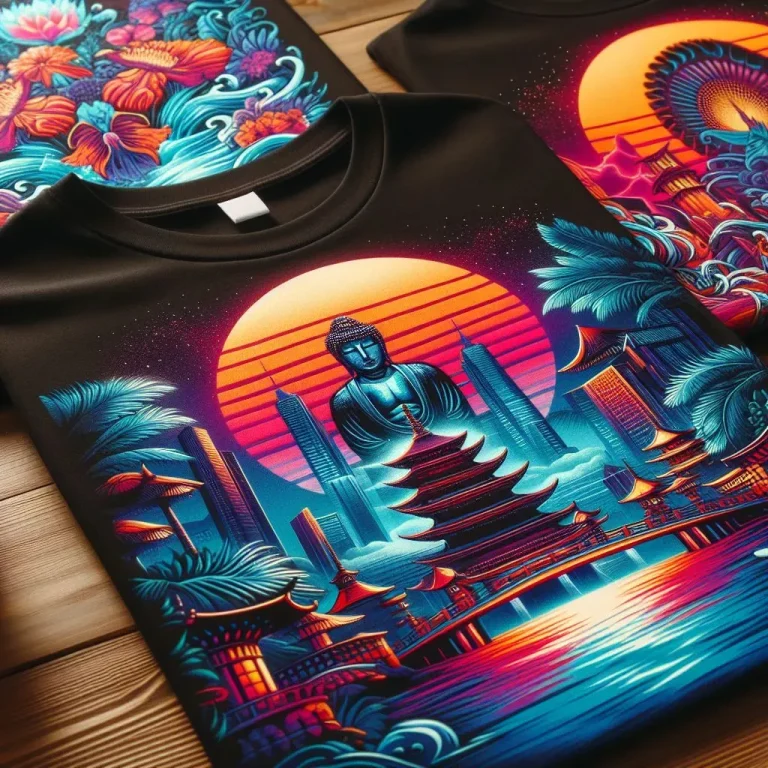
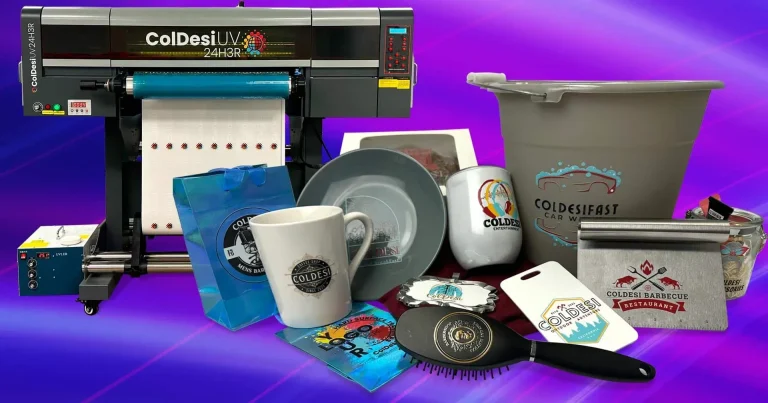
The application of UV DTF printing extends across various sectors, each benefiting from its unique advantages. For the textile industry, it allows for the production of custom apparel and accessories that are both visually appealing and long-lasting. Moreover, promotional products like mugs, phone cases, and keychains can be tailored to showcase brand logos and unique designs, effectively enhancing marketing efforts.
In addition to textiles and promotional items, UV DTF printing shines in the signage industry, producing durable outdoor signs that can weather the elements without fading. The ability to print on hard surfaces such as wood, metal, and glass offers businesses new opportunities to create innovative products that captivate consumers and provide added functionality.
Key Advantages of UV DTF Printing Technology
One of the primary advantages of UV DTF printing is its speed. The instant curing process significantly reduces production time, allowing businesses to meet tight deadlines without sacrificing quality. Unlike traditional printing methods that require extended drying times, UV DTF prints can be handled and shipped almost immediately, increasing operational efficiency.
Furthermore, the durability of UV DTF prints is remarkable. With high resistance to water damage, scratching, and fading, products are not only visually attractive but also built to last. This feature makes UV DTF printing particularly suitable for high-usage items and outdoor applications, ensuring that they maintain their appearance over time. Eco-friendly options available in UV inks also appeal to environmentally conscious consumers and businesses alike.
Essential Tips for Optimal UV DTF Printing
To achieve the best results with UV DTF printing, proper substrate pre-treatment is vital. Pre-treating surfaces ensures better ink adhesion, especially on challenging materials like plastics and metals. This step can greatly enhance the overall quality of prints and create a more professional appearance.
Ink management is another critical aspect of the UV DTF printing process. Regularly monitoring the viscosity of inks can prevent issues like clogging and color inconsistency. By maintaining optimal viscosity levels, printers can ensure smooth operation and produce high-quality prints consistently across different runs.
Current Market Trends in UV DTF Printing
As the demand for custom printing solutions continues to rise, noteworthy trends are emerging in UV DTF printing. A significant trend is the introduction of more user-friendly systems, enabling even novice users to dive into the world of printing technology. This shift is helping to democratize access to high-quality printing and expand the market.
Another trend is the increased automation of printing processes. Automated systems reduce the potential for human error, leading to better efficiency and consistency in production. Additionally, there is a growing focus on sustainable practices within the industry, with manufacturers adopting eco-friendly inks and processes that minimize environmental impact.
Future Innovations in UV DTF Printing
Looking ahead, several developments are poised to influence the future of UV DTF printing. Innovations in eco-friendly inks are likely to expand, promoting sustainability without compromising print quality. Additionally, the implementation of multi-layer printing techniques could allow for even more intricate designs and functionalities in products produced via this technology.
The advent of smart technologies, such as IoT devices, may also play a crucial role in optimizing UV DTF printing processes. These technologies can streamline process monitoring and adjustments, helping businesses remain competitive in an ever-evolving market. As customization becomes increasingly important, UV DTF printing stands ready to meet these demands seamlessly.
Frequently Asked Questions
What is UV DTF printing and how does it differ from traditional DTF printing?
UV DTF printing combines traditional Direct to Film (DTF) technology with UV printing technology. Unlike DTF printing, which requires heat transfer, UV DTF printing involves using UV-curable inks that are instantly cured by UV light, resulting in vibrant and durable prints on a wide range of substrates.
What materials can be used for UV DTF printing?
UV DTF printing is highly versatile and can be used on various materials, including textiles, plastics, metals, glass, and wood. This adaptability makes it suitable for creating custom UV printing products across multiple industries.
What are the advantages of using UV DTF printing for creating promotional products?
The advantages of UV DTF printing for promotional products include fast curing, which allows for quicker production times, and durability, as UV prints resist water, scratches, and fading. This makes UV DTF an excellent choice for high-quality prints that can withstand everyday use.
What tips can help improve the quality of UV DTF printing?
To enhance UV DTF printing quality, it’s essential to pre-treat substrates for better ink adhesion, maintain optimal ink viscosity, adjust printer settings according to material types, and use high-quality inks specifically formulated for UV DTF printing.
Is UV DTF printing eco-friendly?
Yes, UV DTF printing can be eco-friendly, especially with the availability of UV inks designed to minimize environmental impact. These inks typically contain lower levels of volatile organic compounds (VOCs) compared to traditional inks, making them a greener choice for printing.
How can businesses keep up with trends in UV DTF printing?
To stay current with trends in UV DTF printing, businesses should invest in user-friendly systems, leverage automation for efficiency, and follow the shift towards sustainable practices. Keeping abreast of technological advances, such as eco-friendly inks and IoT integration, will also help businesses maintain competitiveness in the market.
| Aspect | Details |
|---|---|
| What is UV DTF Printing? | A printing method that uses UV inks on transfer films, cured instantly using UV light to create vibrant and durable prints on various materials. |
| Applications | Textiles, promotional products (mugs, phone cases), signage, and hard surfaces (wood, glass, metals). |
| Advantages | 1. Fast curing process; 2. High durability against water, scratches, fading; 3. Eco-friendly ink options with lower VOCs. |
| Tips for Effective Printing | 1. Pre-treat substrates; 2. Manage ink viscosity; 3. Adjust printer settings per substrate; 4. Use quality inks; 5. Perform regular maintenance. |
| Market Trends | User-friendly systems, enhanced automation, and a shift towards sustainable printing practices are rising trends in the UV DTF sector. |
| Future Developments | Advancements in eco-friendly inks, multi-layer printing techniques, and smart technologies (IoT) for efficiency and quality improvements. |
Summary
UV DTF printing is transforming the landscape of printing technology, providing a rapid and highly durable solution for various applications. As businesses recognize the advantages of this innovative approach, it becomes pivotal in enabling vibrant prints on diverse substrates, from textiles to hard surfaces. The unique ability to cure inks instantly and the option of eco-friendly inks are just a couple of reasons why UV DTF printing stands out. The ongoing advancements and market trends signal a promising future for this printing method, solidifying its place in the ever-evolving industry.