UV DTF Printing vs Direct-to-Garment Printing Explained
UV DTF printing has emerged as a revolutionary technique in the realm of custom printing solutions, quickly gaining popularity due to its ability to produce striking images with unmatched durability. This advanced printing technology utilizes ultraviolet light to cure inks on various surfaces, making it an ideal choice for businesses seeking high-quality and long-lasting prints. When comparing UV DTF vs DTG, it becomes evident that each method has distinct advantages tailored to specific applications, thereby allowing for greater flexibility in product offerings. Whether for promotional materials or custom designs, understanding the nuances of UV DTF printing can help businesses make a more informed decision about their printing technologies. In this comprehensive guide, we will explore the key features, benefits, and considerations of UV DTF printing in relation to traditional Direct-to-Garment printing.
In the ever-evolving landscape of printing methods, UV Direct-to-Film printing stands out as a robust alternative to traditional apparel printing techniques. This innovative approach, commonly referred to as UV DTF, utilizes ultraviolet light to create vibrant designs on a variety of substrates, marking a significant advancement in custom print solutions. When examining UV DTF vs DTG, it is essential to recognize how each technology caters to different market sectors, with UV DTF offering versatility across hard surfaces and promotional items. By delving deeper into the mechanics and benefits of UV DTF printing, businesses can better navigate the competitive realm of printing technologies and select the optimal solution for their creative endeavors. As we unravel the comparison between these two printing techniques, we will highlight the unique strengths and applications that each method can provide.
Understanding UV DTF Printing Benefits
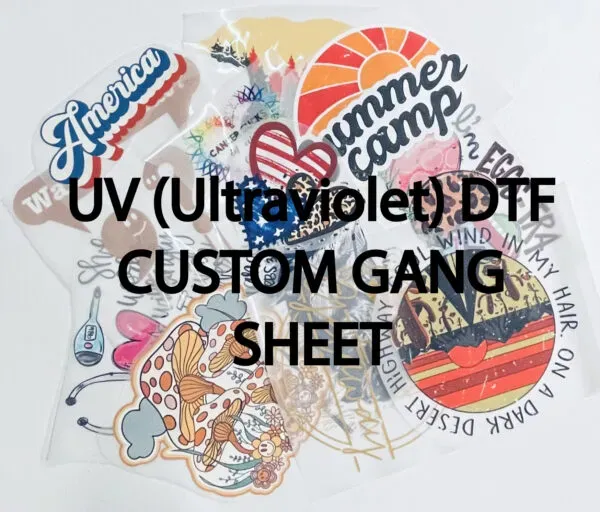
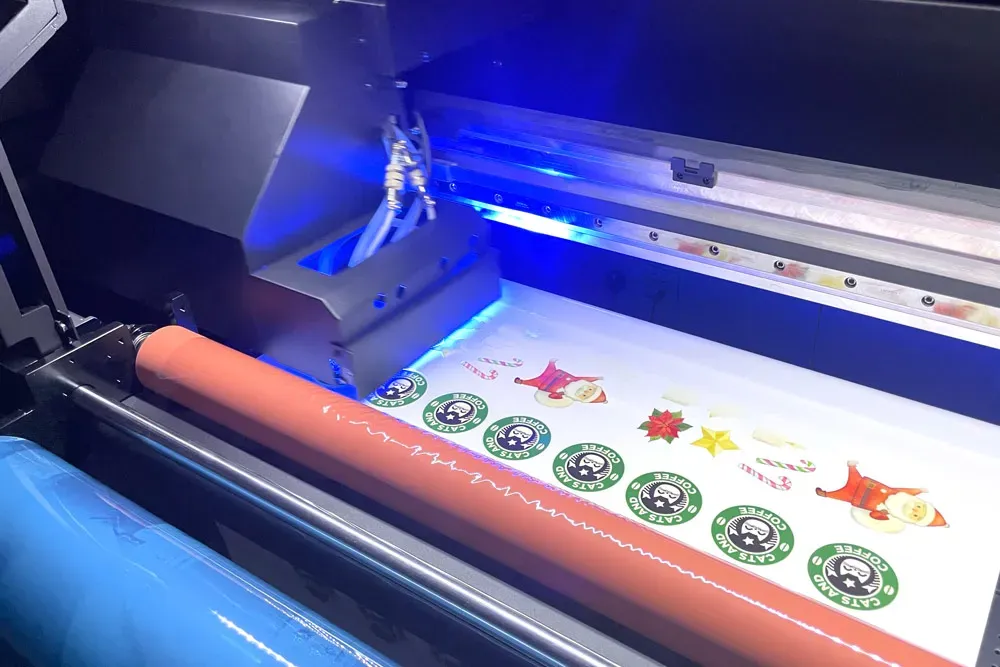
UV Direct-to-Film (UV DTF) printing stands out in the competitive landscape due to its remarkable ability to produce vibrant colors and sharp details on a variety of substrates. Unlike traditional printing methods, UV DTF utilizes ultraviolet light to cure inks instantly, resulting in prints that not only look stunning but also resist wear and tear. This curing process allows for intricate designs without the worry of smudging or fading, making it an ideal choice for businesses seeking durability combined with aesthetic appeal. From promotional merchandise to bespoke items, UV DTF delivers exceptional results that cater to a broad clientele.
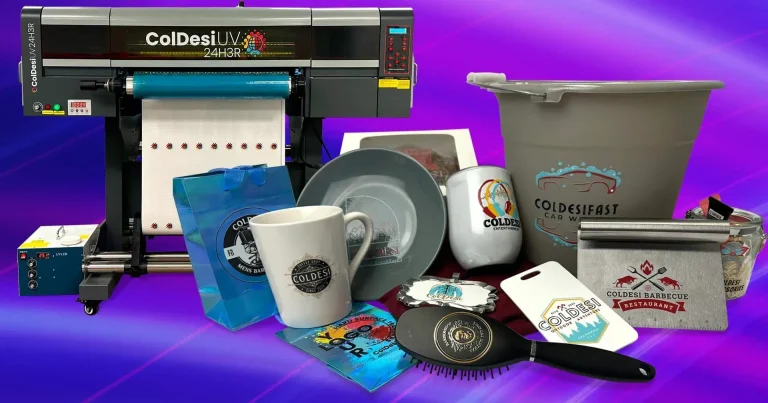
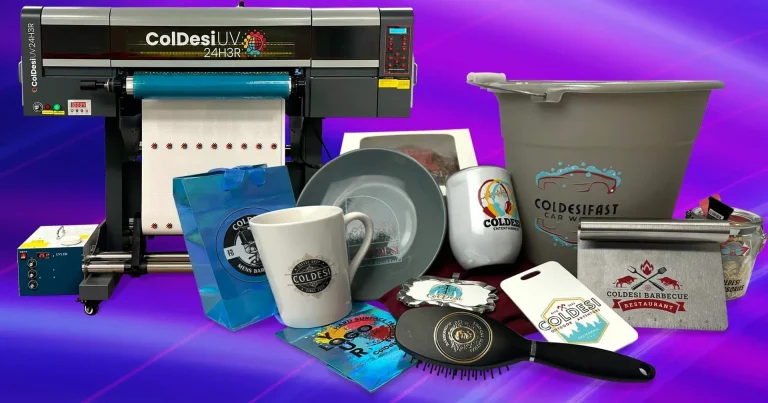
Furthermore, the versatility of UV DTF printing extends to a range of materials, including hard surfaces like plastics and metals. This opens up endless possibilities for custom printing solutions, allowing businesses to diversify their offerings. Companies can produce everything from signage to personalized gifts with the same printer, streamlining production processes. As customer preferences shift towards unique and high-quality items, UV DTF printing provides an effective solution for meeting these demands without compromising on quality.
Direct-to-Garment Printing Advantages
Direct-to-Garment (DTG) printing has carved a niche for itself in the realm of textile printing by offering unmatched detail and color vibrancy on fabric. This technology leverages inkjet printing to apply designs directly onto garments, making it particularly suited for fashion and apparel industries where personalization and quick turnaround are critical. One of the major advantages of DTG is its ability to print intricate graphics, including photographic images, in vivid colors. This capability allows for truly unique pieces that resonate with customers looking for individualized clothing options.
Moreover, DTG printing is fantastic for short runs, as it eliminates the need for setup costs associated with traditional screen printing. Brands seeking to test new designs or cater to niche markets can do so without financial stress, making DTG an economically advantageous solution for small businesses and start-ups. By allowing businesses to focus on creativity and innovation, DTG printing enhances the overall customer experience through personalized products that stand out in a crowded marketplace.
Key Differences Between UV DTF and DTG
When evaluating UV DTF and Direct-to-Garment (DTG) printing methods, it’s imperative to consider their core differences in application and use-case suitability. While UV DTF excels in printing on a variety of surfaces, DTG primarily focuses on textiles. This fundamental difference dictates which method is best for specific business needs. For instance, businesses that require colorful prints on non-porous items such as promotional products will find UV DTF technology advantageous, whereas companies specializing in fashionable apparel will benefit more from DTG’s vivid fabric printing capabilities.
Additionally, print durability presents another critical distinction between the two methods. UV DTF prints are known for their longevity, maintaining color vibrancy and quality even under harsh conditions. In contrast, DTG prints depend heavily on fabric choice and pre-treatment processes, which can influence the print’s lifespan. As a result, companies must assess their intended application and required print longevity to make an informed decision on which printing technology better aligns with their operational goals.
Cost Analysis of UV DTF vs. DTG Printing
Budget considerations are vital when choosing between UV DTF and Direct-to-Garment (DTG) printing technologies. On the surface, UV DTF printers may seem more expensive due to their advanced capabilities and versatility; however, they often eliminate the need for excessive reprints and their associated costs due to enhanced durability and print quality. Initially, the investment may appear steep, but businesses that can utilize UV DTF to print a variety of products will ultimately enjoy a handsome return on investment due to reduced operational costs, resulting in increased profit margins.
In contrast, while the initial investment in DTG printing technology can be lower, ongoing expenses related to ink, fabric pre-treatment solutions, and maintenance can accumulate quickly. Businesses must regularly purchase specialized inks and ensure that their printing environment is ideal for fabric printing, which can raise overall costs significantly over time. Thus, understanding the total cost of ownership for each method is essential for companies to align their financial strategies with their printing needs.
Choosing the Right Printing Technology for Your Business
Determining whether to adopt UV DTF or Direct-to-Garment (DTG) printing depends heavily on your specific business model and target market. For businesses aiming to cater to promotional items or offer custom product variations across many materials, UV DTF likely presents the superior choice. With its robust processing capabilities and swift production times, you can cater to diverse customer needs with ease, ensuring a wider market reach and increased sales opportunities.
Conversely, if your business specializes in the fashion industry or personalized apparel, DTG offers unparalleled advantages in producing high-quality designs on fabrics. With the ability to create unique clothing items quickly, brands can respond agilely to market trends or special customer requests. In essence, aligning your chosen printing technology with your strategic goals will provide a competitive advantage and enhance your business efficiencies.
Future Innovations in UV DTF and DTG Technologies
Looking ahead, advancements in both UV DTF and Direct-to-Garment (DTG) printing technologies promise exciting innovations that will shape the future of custom printing solutions. As manufacturers strive to improve efficiency and reduce costs, we can expect to see innovations such as faster printing speeds, enhanced color accuracy, and improved material compatibility. These advancements make both printing methods even more appealing for businesses, helping them meet growing consumer demands for high-quality, customized products.
Additionally, the integration of automation and smart technology into the printing process will streamline operations, allowing businesses to achieve greater productivity and reduce labor costs. As the landscape of printing technology continues to evolve, staying abreast of these trends will be crucial for businesses to adapt and thrive in an increasingly competitive market. Embracing new technologies will enable companies to push the boundaries of creativity and product offerings, ensuring they remain relevant and successful.
Frequently Asked Questions
What are the main advantages of UV DTF printing over Direct-to-Garment printing?
UV DTF printing offers several advantages, including exceptional durability and resistance to fading, making it ideal for applications on hard surfaces and promotional items. Unlike Direct-to-Garment (DTG) printing, UV DTF does not require fabric pre-treatment, allowing for quicker production times. Additionally, UV DTF technology expands your options for customized printing solutions, as it can work on various materials beyond textiles.
How does UV DTF printing compare to Direct-to-Garment printing in terms of print quality?
When comparing print quality, UV DTF printing is known for its vibrant colors and strong adhesion to non-porous surfaces, providing durable finishes. Conversely, Direct-to-Garment printing excels on soft fabrics, delivering excellent detail and color accuracy. However, DTG’s print quality may vary depending on fabric treatment, while UV DTF consistently produces high-quality results across various substrates.
What types of materials can be printed using UV DTF printing compared to DTG printing?
UV DTF printing is versatile and can print on various non-porous materials such as plastics, metals, and glass, making it suitable for promotional and branding items. In contrast, Direct-to-Garment printing is specifically designed for fabrics and textiles, making it the ideal choice for clothing and soft goods. Thus, UV DTF offers broader applications beyond just apparel.
Is UV DTF printing more cost-effective than Direct-to-Garment printing for small businesses?
UV DTF printing may have a higher initial investment, but it can be more cost-effective in the long run due to its versatility and reduced material waste. Small businesses can leverage UV DTF’s ability to create a wide range of products from one printer. On the other hand, Direct-to-Garment printing involves ongoing costs for specialized inks and fabric treatments, which might accumulate over time.
What future trends should businesses consider regarding UV DTF and DTG printing technologies?
Businesses should watch for innovations that enhance both UV DTF and DTG printing technologies, including faster print speeds, improved color fidelity, and reduced production costs. As market demand evolves, advancements in UV DTF could lead to even greater versatility, while DTG technologies may focus on improving fabric compatibility and print longevity, ensuring both remain competitive in the customized printing solutions market.
Can UV DTF printing be used for outdoor applications compared to Direct-to-Garment printing?
Yes, UV DTF printing is well-suited for outdoor applications due to its durability and resistance to environmental factors, such as fading and chemicals. This makes it ideal for signage and promotional materials exposed to the elements. Conversely, Direct-to-Garment printing is primarily designed for indoor textiles and may not withstand outdoor conditions as effectively unless specifically treated for that purpose.
| Key Feature | UV DTF Printing | Direct-to-Garment Printing (DTG) |
|---|---|---|
| Print Quality and Durability | Excellent adhesion, long-lasting, resistant to fading and wear. | Vibrant prints but may require fabric pre-treatment, ensuring longevity varies based on fabric. |
| Cost and Investment | Higher initial investment for versatile production options but lower operational costs. | Lower entry costs but ongoing expenses for specialized inks and conditions. |
| Applications and Suitability | Ideal for promotional items, customized gifts, various materials including hard surfaces. | Best for the apparel industry focusing on textiles and custom designs. |
| Future Trends | Advancements may lead to faster print speeds and reduced costs. | Continuous evolution towards better quality and efficiency. |
Summary
UV DTF printing is a cutting-edge technology that offers versatile and high-quality printing solutions for various substrates. By utilizing UV light to cure prints, this method ensures vibrant colors and durability that withstands the test of time, making it an excellent choice for promotional items and custom products. Understanding the strengths of UV DTF printing, particularly in producing detailed and resilient outputs on hard surfaces, positions businesses to effectively cater to their specific needs while staying competitive in the market. Whether embracing UV DTF or sticking to traditional methods, being informed about advancements in both technologies is essential for thriving in today’s dynamic printing landscape.