UV DTF Success: Tips to Maximize Your Prints
UV DTF success has emerged as a groundbreaking solution in the printing industry, merging cutting-edge UV printing technology with the efficacy of direct-to-film method. This innovative approach offers unparalleled versatility, allowing printers to create high-quality prints on a variety of substrates, from textiles to hard surfaces. To achieve the best results, however, it’s essential to understand and apply a set of UV DTF printing tips that can enhance the final output. By focusing on maximizing prints through proper calibration, surface pre-treatment, and selecting high-quality materials, businesses and hobbyists alike can elevate their printing capabilities. In this article, we will dive deeper into effective DTF transfer techniques that guarantee vibrant colors and outstanding durability.
In the realm of printing, mastering UV DTF techniques can truly transform your creative projects. This modern printing method leverages the advantages of ultraviolet curing and direct-to-film processes, offering unmatched quality and versatility. Whether you’re designing for personal projects or commercial purposes, understanding the nuances of UV film printing can set you apart in a competitive market. Moreover, using high-caliber materials and practicing solid transfer methods will not only enhance your designs but also boost their longevity and resistance to wear. Join us as we explore the various strategies to optimize your printing experience and unlock the full potential of UV DTF technology.
Understanding the Basics of UV DTF Printing
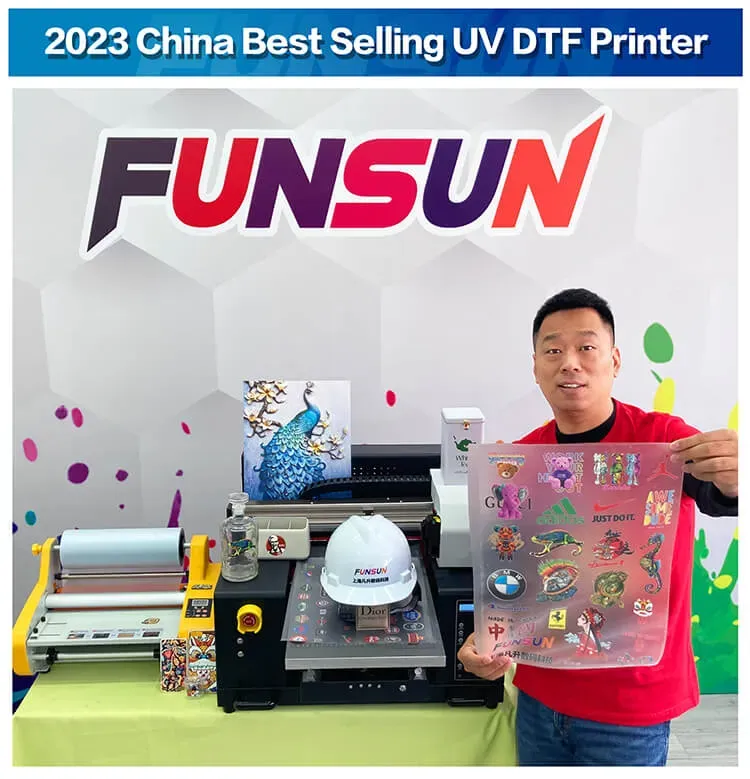
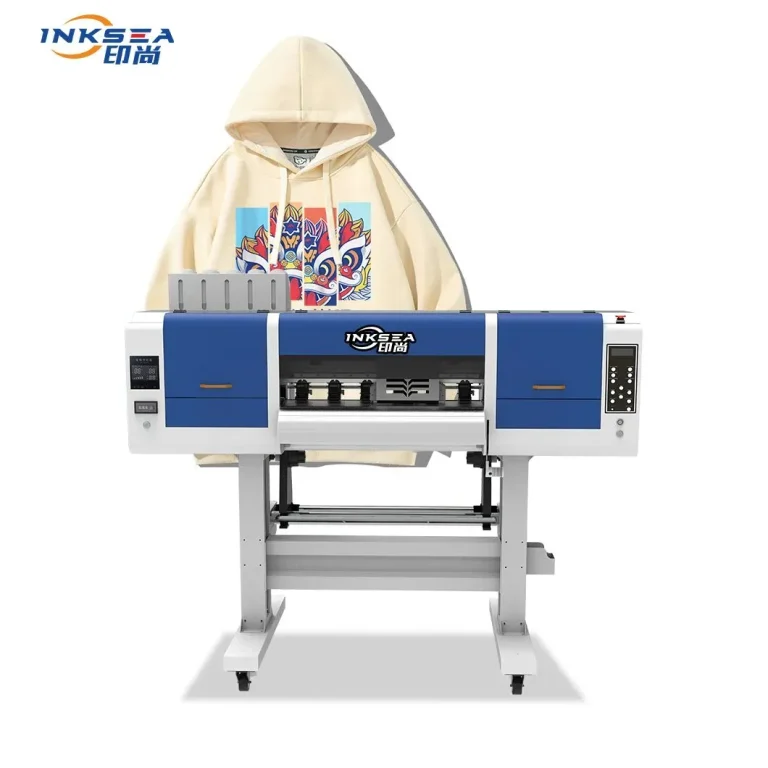
UV DTF printing is a cutting-edge technique that invites both creativity and functionality into the printing process. At its core, this method combines the traditional Direct to Film (DTF) printing with ultraviolet (UV) light technology, allowing for the immediate curing of inks onto various substrates. As a result, it opens the door to a plethora of materials, including textiles, plastics, and even metals. By understanding these fundamentals, artists and businesses alike can leverage the unique advantages of this technology to create vibrant and compelling prints that stand out in a competitive market.
One of the key features of UV DTF printing is its ability to produce high-quality outputs with remarkable color fidelity and detail. This is largely due to the utilization of specialized UV-cured inks that resist fading and wear over time, solidifying their durability compared to conventional inks. As users become adept at managing their print settings and understanding the material characteristics, they can optimize their print jobs to achieve stunning visuals, ultimately enhancing both artistic expression and commercial potential.
Essential Tips to Maximize Your UV DTF Success
Optimizing UV DTF success begins with a solid grasp of the printer’s calibration and settings. It’s essential to regularly calibrate your device according to manufacturer guidelines, ensuring precise output that reflects your design intentions. Fine-tuning ink density is equally important, especially when printing onto heavier substrates, such as canvas or coated metals. This strategic adjustment not only enhances color vibrancy but also promotes better adhesion, setting the stage for impressive results.
In addition to calibration, understanding the characteristics of your chosen substrate plays a vital role in maximizing UV DTF outcomes. Proper pre-treatment of surfaces can lead to improved adhesion and longevity for your prints. Utilizing appropriate solutions for fabric or hard surfaces can significantly impact performance, preventing issues like peeling and fading over time. Therefore, investing time in pre-treatment processes is essential for achieving the desired print quality.
Choosing the Right Materials for High-Quality Printing
When it comes to UV DTF printing, the selection of quality materials directly influences the end product’s success. Using high-quality DTF films compatible with UV technology is crucial for achieving vibrant and durable prints. Films designed for UV light curing enhance the ink’s adherence, reducing the risks of fading and ensuring longevity. Moreover, it’s important to consider films that offer coatings tailored for optimal ink compatibility, as this can result in enhanced print resolution and durability.
Furthermore, exploring various substrates expands creative possibilities when utilizing UV DTF methods. From t-shirts to promotional items made of hard surfaces like metal or glass, understanding the appropriate films and treatments is key to maximizing print potential. By ensuring the right materials are in place, users can harness the full capabilities of UV DTF technology, enabling them to produce visually striking prints that meet or exceed industry standards.
The Role of Design Innovation in UV DTF Printing
Innovation is at the heart of UV DTF printing, particularly when it comes to design. The technology allows for unique layering techniques that can transform simple graphics into textured masterpieces. By experimenting with different designs and layering effects, designers can create more tactile and visually appealing products. This not only attracts customers but also enhances the perceived value of the printed items, encouraging more creative exploration within the medium.
Moreover, the ability to print on unconventional surfaces provides endless opportunities for creativity. UV DTF technology excels at transferring high-quality images onto materials like wood, acrylic, and glass, challenging artists to think outside traditional printing boundaries. This versatility offers a distinct edge in competitive markets, allowing businesses and creators to stand out with custom solutions that reflect their unique vision and brand identity.
Leveraging Community Resources for UV DTF Success
Connecting with the community can significantly enhance the UV DTF printing experience. Engaging with fellow printers through forums, social media platforms, and local workshops opens doors to shared knowledge, tips, and troubleshooting advice. By exchanging experiences, users can learn effective DTF transfer techniques, maximizing their potential while minimizing common pitfalls. Such interactions foster a collaborative environment where creativity flourishes, and practical solutions emerge.
Furthermore, community support expands one’s understanding of industry standards and innovations. Many members actively share resources on new technologies, materials, and design trends, contributing to a well-rounded knowledge base. Leveraging these insights can help both novices and seasoned printers stay ahead of market shifts, ensuring that they are always equipped to produce high-quality and competitive prints.
Exploring Industry Innovations Impacting UV DTF Printing
The UV DTF printing industry is constantly evolving with technological advancements that enhance its capabilities. New models of printers, like the eufyMake UV Printer E1, are breaking barriers by enabling more complex designs and making printing more accessible for DIY enthusiasts. These innovations not only allow for greater creative expression but also increase production efficiency, which is pivotal for businesses looking to scale up operations.
Such developments in UV printing technology underscore the importance of staying informed and adaptable. As newer solutions emerge in the market, those engaged in UV DTF printing can benefit from adopting cutting-edge tools and techniques, positioning themselves favorably in a fast-paced industry. This proactive approach to innovation empowers creators to produce distinctive and high-quality prints while catering to the evolving preferences of consumers.
Frequently Asked Questions
What are the best UV DTF printing tips for maximizing prints?
To maximize your prints using UV DTF printing, focus on proper calibration of your printer settings, pre-treat surfaces for better adhesion, and opt for high-quality films that enhance print vibrancy and durability. Regular calibration ensures precision, while pre-treatment improves long-lasting results on various materials.
How does UV DTF printing enhance product appeal?
UV DTF printing enhances product appeal through vibrant colors and sharp images that captivate consumers. The technology’s ability to print on a variety of substrates, along with its durability against fading and wear, ensures that products stand out visually and maintain quality over time.
What are effective DTF transfer techniques to achieve high-quality printing?
Effective DTF transfer techniques include ensuring your printer is well-calibrated for optimal ink density, using the right pre-treatment solutions for different materials, and selecting top-notch DTF films that cure well under UV light. These steps help achieve high-quality prints that are bold and long-lasting.
Why is proper calibration important in UV DTF printing success?
Proper calibration is crucial in UV DTF printing success because it directly affects print quality. Regularly calibrating your printer according to the manufacturer’s specifications ensures accurate ink application, leading to vibrant colors and detailed images that enhance the overall aesthetic of your prints.
How can pre-treatment improve UV DTF printing results?
Pre-treatment improves UV DTF printing results by enhancing ink adhesion to surfaces. Applying a suitable pre-treatment solution for fabrics or a primer for hard surfaces prepares the material for printing, leading to better color vibrancy and durability, ultimately ensuring the longevity of your designs.
What materials can benefit from UV printing technology?
UV printing technology can benefit a variety of materials including fabrics, plastics, wood, glass, and metals. Its versatility enables creators to explore unique surfaces, making UV DTF a favored choice for custom print projects across different industries.
| Key Point | Description |
|---|---|
| Understanding UV DTF Printing | A combination of UV light curing technologies with traditional DTF methods, allowing for vibrant colors on various substrates. |
| Benefits | 1. Versatility: Prints on diverse materials. 2. Durability: UV inks resist fading. 3. Speed: Instant drying for faster production. |
| Tips for Success | 1. Proper Calibration: Ensuring printer settings are optimized for quality. 2. Pre-Treatment: Enhances ink adhesion on surfaces. 3. Use of Quality Films: Selecting compatible films for better results. |
| Creativity in Design | Explore unconventional printing surfaces and experiment with textures for innovative designs. |
| Market Innovations | Advancements like the eufyMake UV Printer E1 enable intricate designs and DIY creativity. |
| Community Collaboration | Engage with online forums and groups to share insights and enhance your printing skills. |
Summary
UV DTF success lies in understanding the technology, processes, and materials that lead to high-quality prints. By calibrating your equipment correctly, pre-treating surfaces, and choosing top-notch films, you can ensure your prints are not only vibrant but also durable. Stay updated with market innovations and leverage community insights to further enhance your capabilities. Whether for business or personal projects, embracing these practices will unlock your full potential in UV DTF printing, allowing your creativity to truly shine.