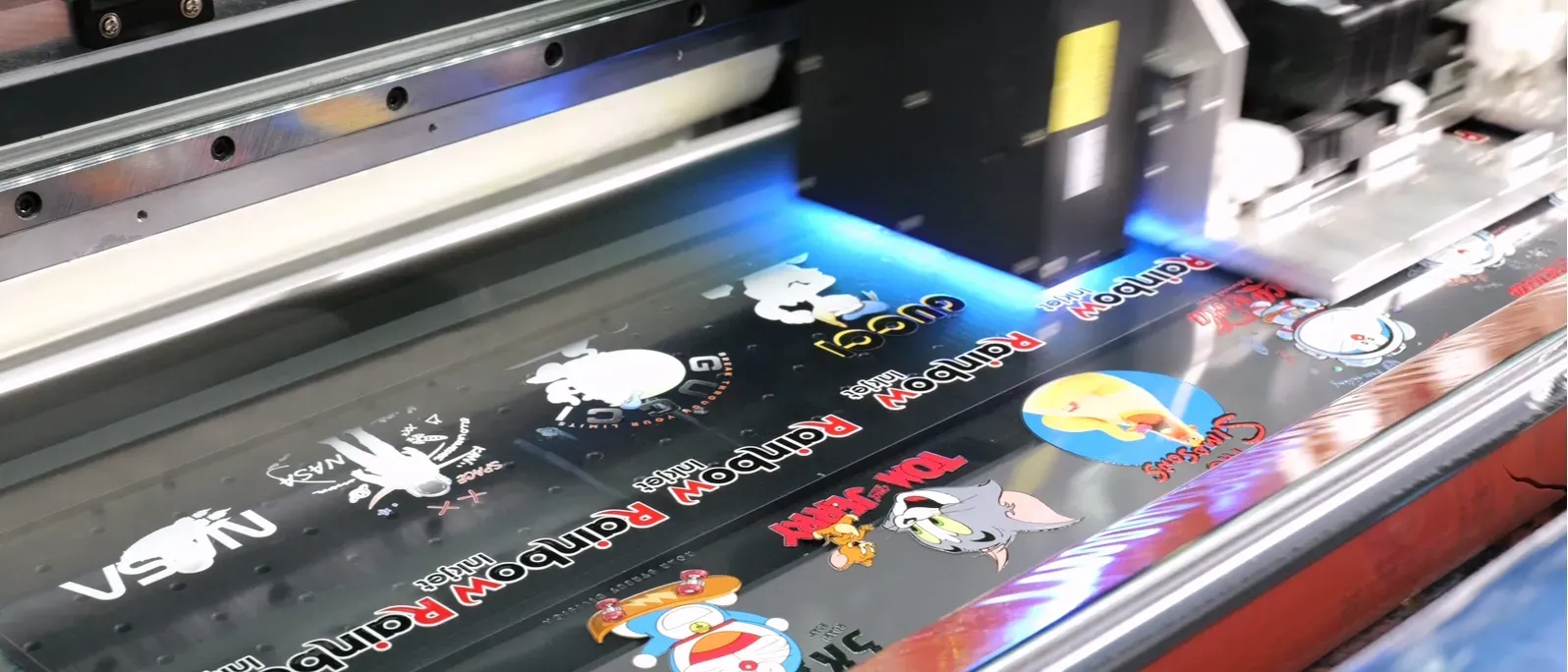
UV DTF Techniques: A Beginner’s Comprehensive Guide
In the evolving landscape of modern printing technologies, **UV DTF Techniques** have emerged as a game-changing method that blends the reliability of UV printing with the efficiency of direct-to-film processes. By utilizing UV-cured inks, this innovative technique allows for the creation of vibrant, durable prints that adhere seamlessly to a wide range of materials, from fabric to hard surfaces. Businesses that engage in custom printing can tremendously benefit from the speed and precision that UV DTF offers, which enables rapid turnaround times without compromising on quality. Additionally, eco-friendly inks used in UV DTF printing reduce harmful emissions, aligning with growing consumer demands for sustainable practices. As companies continue to explore new avenues for branding and promotional items, mastering UV DTF techniques will be crucial for staying competitive.
Often referred to as UV Direct-to-Film printing, this method stands out in the business of custom prints for its remarkable versatility and efficiency. By combining the strengths of both UV printing and the traditional DTF approach, this technique allows for high-quality graphics to be applied to numerous substrates, including textiles and hard surfaces. The use of UV-cured inks not only provides impressive durability but also enhances the color vibrancy of the finished products. Furthermore, this revolutionary printing style promotes sustainability through the use of eco-friendly inks that minimize environmental impact. For companies looking to innovate and meet the diverse needs of their customers, embracing UV DTF technologies can open doors to a myriad of creative possibilities.
Understanding the Basics of UV DTF Printing
UV DTF printing, or UV Direct to Film printing, is a remarkable innovation in the printing landscape that merges the detailed capabilities of UV printing with the efficiency of DTF technology. It involves utilizing specially formulated UV inks that are cured instantly when exposed to ultraviolet light. This unique approach not only accelerates the production process but also ensures vibrancy and exceptional detail in the prints, setting them apart from conventional printing methods. As a result, businesses can create eye-catching and unique products tailored to specific customer demands.
Unlike traditional DTF methods that often depend on water-based inks, which take time to dry and can limit the choice of substrates, UV DTF can be used on a broader range of materials ranging from textiles to hard surfaces. This expansion in the substrate market not only enhances creative possibilities for brands but also improves operational efficiency as businesses can print on diverse materials in a single setup.
Key Advantages of UV DTF Techniques
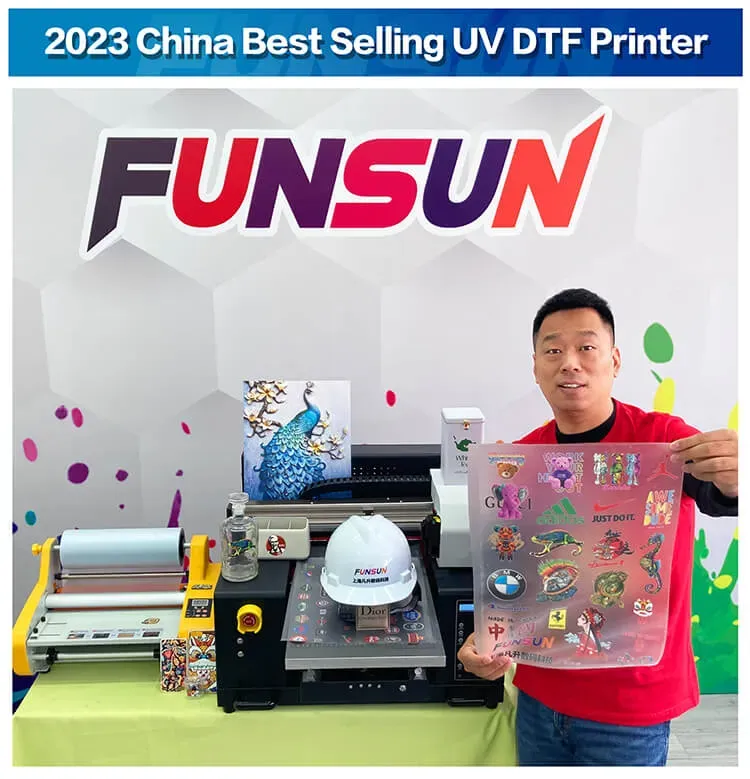
The benefits of UV DTF techniques are manifold, with versatility ranking high among them. This printing method allows for high-quality prints on a variety of surfaces, including non-porous materials that traditional methods may struggle with. Whether you are crafting custom garments, unique signage or promotional items, the capability to adapt to different substrates makes UV DTF an invaluable asset in today’s custom printing market.
Another significant advantage of UV DTF lies in its durability. The UV-cured inks show remarkable resistance to fading, scratches, and water, which means your final products will maintain their quality over time. This durability is essential for items that will be exposed to the elements or high usage environments—ideal for businesses that aim to produce long-lasting promotional materials or outdoor signage.
Eco-Friendly Aspects of UV DTF Printing
With a global shift towards sustainability, the eco-friendly properties of UV DTF printing are becoming increasingly important. The inks used in UV DTF printing emit significantly lower levels of volatile organic compounds (VOCs) compared to traditional water-based inks. This reduction in harmful emissions makes UV DTF a much safer option for printers and consumers alike, aligning with modern eco-initiatives that prioritize environmental responsibility.
Moreover, UV DTF’s capability of adhering to a variety of surfaces without the need for multiple printing processes minimizes waste and energy consumption. This efficiency not only reduces operational costs but also makes it a smarter choice for environmentally-conscious businesses looking to promote their green credentials without sacrificing print quality.
Exploring Applications of UV DTF Printing
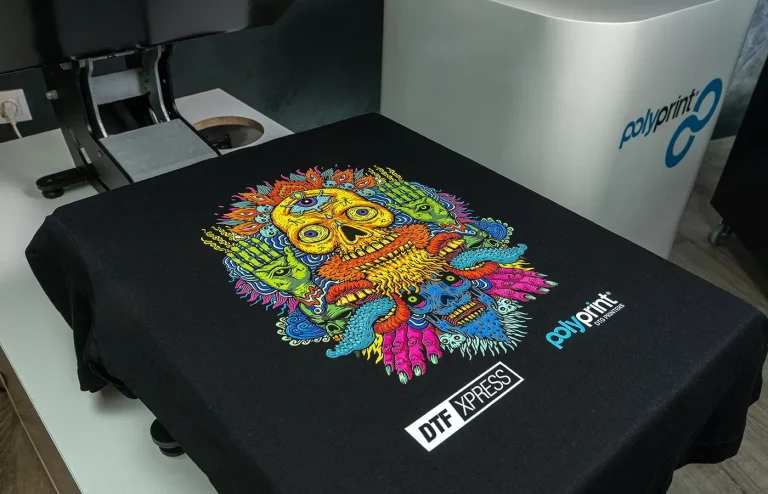
The versatility of UV DTF printing opens a wide array of applications across multiple sectors. For businesses focusing on custom apparel, UV DTF allows for the production of intricate designs with vibrant colors that can effectively speak to specific audiences. This high-quality output is crucial in making apparel stand out in a competitive market, driving sales and customer interest.
In addition to apparel, UV DTF is extensively used in creating spectacular signage. The ability to produce detailed and colorful graphics ensures that promotional signs not only attract attention but also convey messages effectively. This has recently gained traction in events and marketing campaigns, where eye-catching visuals can significantly enhance brand visibility.
Emerging Trends in UV DTF Printing
Innovation is at the forefront of UV DTF technology, with ongoing advancements leading the way for improved quality and efficiency. Recent developments in ink formulations have provided better adhesion and color accuracy, allowing for more vibrant and lifelike prints. As manufacturers refine their offerings, businesses can expect to achieve superior results that sharpen their competitive edge and meet the evolving demands of clients.
Furthermore, the evolution of printing equipment has lowered operational costs and enhanced production speeds dramatically. Newer models are designed with user-friendly features that streamline the printing process, allowing operations to scale more efficiently. This is a game changer for small and medium enterprises aiming to keep pace with larger competitors while maintaining quality standards.
Getting Started with UV DTF Techniques
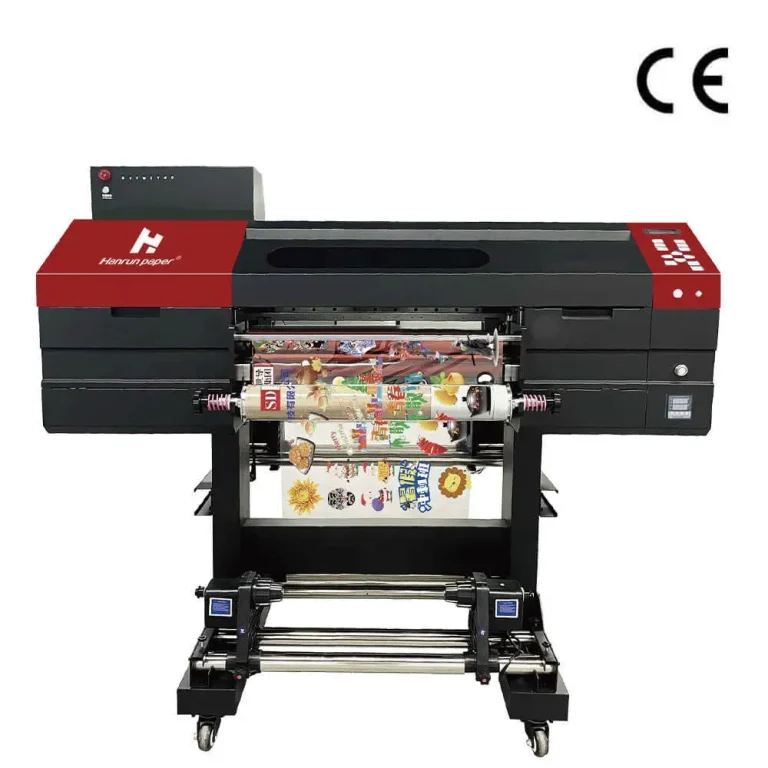
For beginners eager to enter the world of UV DTF printing, understanding the foundational equipment is crucial. Properly setting up UV printers and heat transfer machinery is the first step in ensuring high-quality outputs. Selecting reliable machinery not only aids in achieving the desired end results but also contributes to a smoother and more efficient printing workflow.
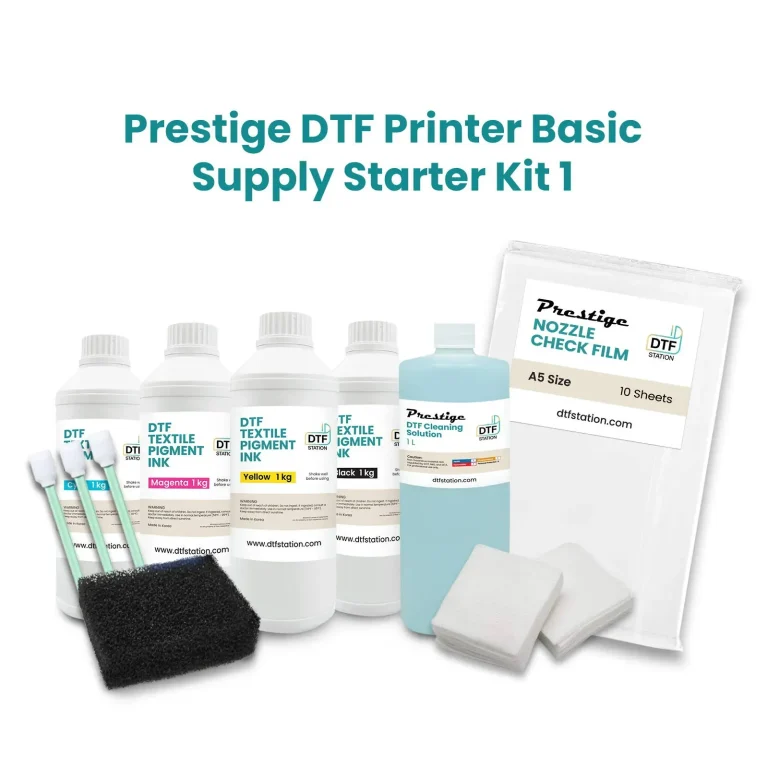
In addition to technical setup, choosing suitable films and inks tailored to specific printing needs is essential. Many suppliers provide starter kits that simplify the selection process for newcomers, enabling them to experiment and find the right combinations that yield the best print quality. Engaging in continuous learning through workshops or online resources can also bolster knowledge and skills as the printing landscape evolves.
Frequently Asked Questions
What are the main benefits of using UV DTF printing over traditional methods?
UV DTF printing offers several advantages compared to traditional printing methods. Firstly, it utilizes UV-cured inks that dry instantly upon exposure to UV light, allowing for a faster production process. Additionally, UV DTF provides exceptional durability, making prints resistant to scratches and fading. The eco-friendly inks used in UV DTF also release fewer volatile organic compounds (VOCs), aligning with sustainable practices, which is a significant benefit for businesses focused on environmental impact.
How does UV DTF printing differ from standard DTF printing?
The primary difference between UV DTF printing and standard DTF printing lies in the ink curing process. While standard DTF printing uses water-based inks that require time to dry, UV DTF employs UV-cured inks that instantly harden when exposed to UV light. This instant curing not only accelerates the printing process but also enhances the vibrancy and durability of the prints, making UV DTF suitable for a wider range of substrates including non-porous surfaces.
What types of materials can I print on using UV DTF techniques?
UV DTF techniques are highly versatile and can be used on a variety of materials. This includes both porous and non-porous surfaces like fabric, plastic, metal, glass, wood, and even ceramics. This versatility makes UV DTF ideal for custom printing applications ranging from apparel to signage and promotional products, allowing businesses to expand their product offerings significantly.
Are UV DTF prints suitable for outdoor use?
Yes, UV DTF prints are suitable for outdoor use due to the durability provided by the UV-cured inks. These inks are designed to withstand harsh weather conditions, including exposure to sunlight, rain, and humidity, making them ideal for outdoor signage and promotional items. The enhanced durability ensures that the prints maintain their quality and vibrancy even in high-traffic outdoor environments.
What kind of maintenance is required for UV DTF printing equipment?
Maintaining UV DTF printing equipment is essential for ensuring optimal performance and longevity. Regular cleaning of the printer heads and ensuring the ink lines are free of clogs is crucial. Additionally, users should routinely check and calibrate the equipment settings for color accuracy and print quality. Following the manufacturer’s guidelines for maintenance and using recommended inks and substrates will also help improve the durability and reliability of prints.
Is UV DTF printing environmentally friendly?
Yes, UV DTF printing is considered environmentally friendly due to the use of UV-cured inks that release minimal volatile organic compounds (VOCs) during the printing process. This characteristic significantly reduces the environmental impact compared to traditional printing methods that may emit higher levels of harmful VOCs. Furthermore, businesses can adopt more sustainable practices by choosing eco-friendly inks and substrates, aligning with consumer demand for environmentally responsible products.
| Key Aspect | Description |
|---|---|
| What is UV DTF Printing? | A printing method using UV-cured inks on a specialized film, transferred onto substrates with heat and pressure, known for vibrant colors and quick drying. |
| Key Advantages | 1. Versatility: Adheres to a variety of materials. 2. Durability: Resists scratches, fading, and water. 3. Eco-Friendly: Low VOC emissions enhance sustainability. |
| Applications | Used for custom apparel, signage, and promotional products, making them ideal for detailed and vibrant printing. |
| Current Trends | Innovations include advanced ink formulations and enhanced equipment leading to improved quality and reduced costs. |
| Getting Started | Familiarize with equipment, select suitable films and inks, and utilize learning resources like workshops and webinars. |
Summary
UV DTF techniques represent a cutting-edge evolution in the field of printing technologies, merging the advantages of UV printing with traditional DTF methods. This innovative approach allows businesses to produce high-quality prints that are not only vibrant and durable but also environmentally friendly. The versatility of UV DTF makes it suitable for a diverse range of applications—from custom apparel to promotional items—catapulting creativity and practicality in the custom printing industry. As trends in technology continue to advance, embracing UV DTF techniques is paramount for businesses aiming to meet consumer demands while ensuring sustainability. By investing in this modern printing method, you’ll be well-equipped to thrive in the competitive landscape of custom printing.