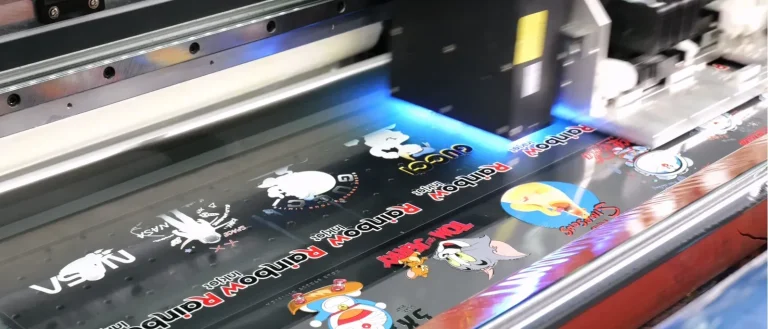

UV DTF Technology: A Deep Dive into Modern Printing
UV DTF Technology is revolutionizing the landscape of commercial printing by merging cutting-edge UV printing with direct-to-film applications. This innovative method empowers print professionals to create strikingly vivid and durable prints that cater to diverse substrate options like textiles, metals, and plastics. As businesses increasingly prioritize high-quality output and sustainable practices, grasping the advantages of UV DTF becomes essential. The remarkable print technology advancements in UV DTF not only ensure superior adhesion and longevity but also significantly reduce environmental impact through energy-efficient inks and lower VOC emissions. In this article, we will delve into the numerous benefits and challenges surrounding UV DTF technology, providing insights crucial for your printing operations.
As we explore this forward-thinking printing solution, you may come across terms like ultraviolet direct-to-film printing or UV film technology. These alternative phrases encapsulate the essence of applying UV inks directly onto film substrates, which are then cured to produce high-quality prints. This advanced approach enhances the durability and visual appeal of printed materials, making it a favorite among professionals looking to diversify their offerings. With an emphasis on sustainable printing practices, this technology not only meets the heightened demands of consumers but also aligns with eco-friendly initiatives in the print industry. Understanding these terms and concepts can help you navigate the evolving world of printing technology.
What is UV DTF Technology?
UV DTF (Direct to Film) technology is at the forefront of modern printing solutions, combining innovative UV printing techniques with the efficient application of images onto specialized film. This method allows print professionals to create vibrant prints that adhere seamlessly to various substrates, including textiles, metals, and plastics. The versatility of UV DTF makes it an ideal choice for many printing applications, enhancing the creative possibilities available to businesses.
As consumers increasingly seek unique and customized products, UV DTF technology delivers a means to meet those demands. The marriage of direct-to-film applications with UV printing capabilities elevates the standard of print quality, ensuring that every detail is sharp and striking. This technology broadens the scope of printing services, enabling providers to cater to emerging market trends and consumer preferences.
The Advantages of UV DTF Printing
One of the standout features of UV DTF printing is its impressive print quality. Utilizing advanced UV inks, print professionals can achieve vivid colors and impeccable details that truly make graphics pop. Whether it’s for promotional materials or custom apparel, the durability of UV DTF prints ensures they can withstand the rigors of everyday use, resisting scratches and fading even in outdoor environments.
Moreover, the innovative nature of UV DTF technology means that print runs can be produced quickly without sacrificing quality. This speed is essential for businesses that need to respond swiftly to client demands, allowing them to maintain a competitive edge in a crowded marketplace. By adopting UV DTF, printers not only enhance their output quality but also improve their operational efficiency.
Sustainability in UV DTF Printing
In today’s eco-conscious climate, sustainability plays a crucial role in the printing industry, and UV DTF technology shines in this regard. Traditional printing methods often release harmful pollutants and high levels of volatile organic compounds (VOCs) into the environment. In contrast, UV DTF utilizes energy-efficient inks that significantly reduce emissions, making it a more environmentally friendly option for print businesses looking to improve their sustainability practices.
By choosing UV DTF technology, print professionals not only meet regulatory standards but also align their services with growing consumer demands for sustainable printing solutions. This commitment to green practices can also serve as a powerful marketing tool, attracting eco-conscious customers and differentiating a print business in a competitive marketplace.
The Market Trends Driving UV DTF Adoption
The commercial printing landscape is evolving rapidly, with increasing demands for unique and customized products. UV DTF technology is uniquely positioned to cater to these trends, as it excels in producing high-quality prints on diverse substrates. As businesses look to expand their service offerings to attract new clients, integrating UV DTF printing empowers them to tap into emerging markets such as bespoke textiles and personalized promotional materials.
Market research indicates a notable growth trajectory for UV DTF adoption, driven by consumer preferences shifting toward customization. Print providers who recognize and adapt to these trends will likely cement their place in the print industry’s future, leveraging innovative printing methodologies to attract and retain customers seeking state-of-the-art solutions.
Technical Innovations in UV DTF Technology
The technological advancements in UV DTF printing are continuous and impressive. Modern printers are being designed with innovative curing processes and advanced ink formulations that not only improve print quality but also speed up the production process. This means that print shops can handle larger volumes of work with quicker turnaround times, all while maintaining exceptional quality standards.
Additionally, there is a growing trend towards hybrid printing systems that combine traditional methods with UV DTF capabilities. This flexibility allows print service providers to offer a broader range of products and designs, accommodating both detailed and large-format printing needs. As technology continues to flourish, staying updated with these innovations is vital for print businesses aiming to remain competitive.
Challenges and Considerations in UV DTF Printing
While UV DTF printing presents substantial benefits, it is not without its challenges. The initial investment for specialized equipment can be a significant barrier for smaller printing businesses. Understanding the costs associated with acquiring UV DTF technology, including training and maintenance, is essential for prospective users when considering integration into their existing workflows.
Moreover, mastering the intricacies of UV printing requires skilled operators who understand both the technology and the substrates involved. Assessing the workforce’s capabilities and determining the necessary training can be crucial steps in ensuring successful implementation and mitigating risks associated with transitioning to UV DTF technology.
Frequently Asked Questions
What are the benefits of UV DTF technology compared to traditional UV printing?
UV DTF technology combines the best of both worlds, offering high-quality and durable prints on various substrates. Unlike traditional UV printing, which is often limited to specific materials, UV DTF allows for printing on textiles, metals, and plastics, expanding creative possibilities. Additionally, the adhesion properties and UV curing process result in more resilient prints that resist fading and scratches, making them ideal for demanding environments.
How does UV DTF technology contribute to sustainable printing practices?
UV DTF technology is an eco-friendly alternative because it uses energy-efficient inks that significantly reduce volatile organic compound (VOC) emissions. Traditional printing methods often rely on solvents that are harmful to the environment, while UV DTF minimizes waste and promotes sustainable practices, helping businesses to cater to the growing consumer demand for environmentally responsible print solutions.
What types of substrates can be printed using UV DTF technology?
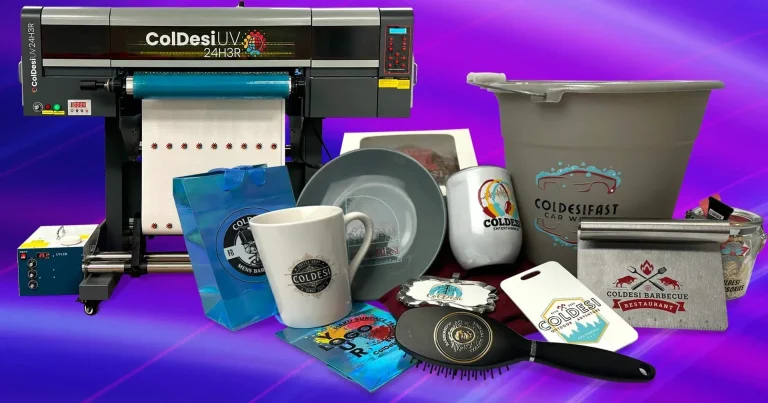
UV DTF technology is incredibly versatile, allowing for printing on a wide range of substrates including textiles, plastics, wood, glass, and metal. This capability makes it suitable for various applications such as promotional items, custom apparel, and packaging, enabling print professionals to expand their service offerings.
Are there any initial costs associated with adopting UV DTF technology?
Yes, the adoption of UV DTF technology comes with some initial costs, such as investing in specialized printers and equipment, as well as training for operators. While these upfront expenses can be a barrier for some businesses, the long-term benefits of producing high-quality and durable prints can outweigh these costs, making it a worthwhile investment for many print professionals.
What advancements in print technology have been implemented in UV DTF?
Recent advancements in UV DTF technology include improved curing processes and innovative ink formulations that enhance production speed and efficiency. These technical innovations allow print professionals to achieve quicker turnaround times without sacrificing print quality, making UV DTF a competitive option in the fast-evolving printing landscape.
How popular is UV DTF technology among print service providers?
UV DTF technology is gaining popularity in the printing industry as more print service providers recognize its benefits. Market trends show an increasing trend towards diversifying print offerings to meet customer demands, particularly in textile printing and custom promotional items. This technology is poised for significant growth, making it a smart investment for businesses that want to stay relevant in the marketplace.
| Key Points | Details |
|---|---|
| Introduction to UV DTF | UV DTF technology is revolutionizing commercial printing by combining UV printing with direct-to-film applications, offering durable and vivid prints. |
| Printing Process | UV ink is applied to a specialized film and cured with UV light, allowing printing on various substrates beyond paper. |
| Print Quality | Delivers high-quality prints that are scratch-resistant and fade-resistant, suitable for demanding environments. |
| Sustainability | Utilizes energy-efficient inks with reduced VOC emissions, appealing to eco-conscious consumers. |
| Market Trends | Growing adoption in diverse applications like textile and promotional printing, indicating strong market potential. |
| Technical Innovations | Improvements in speed and efficiency of production, with new hybrid systems allowing for greater versatility. |
| Challenges | Initial investment in equipment and skilled training can be barriers for implementation. |
Summary
UV DTF Technology serves as a transformative force in the printing industry, merging innovative methods with superior outputs. This advanced technology not only enables print professionals to achieve striking visuals with exceptional durability but also aligns with growing sustainability demands, making it a valuable addition to any printing operation. In a market driven by uniqueness and consumer expectations, understanding and adopting UV DTF Technology could position printing businesses for triumph as they navigate future challenges and opportunities.