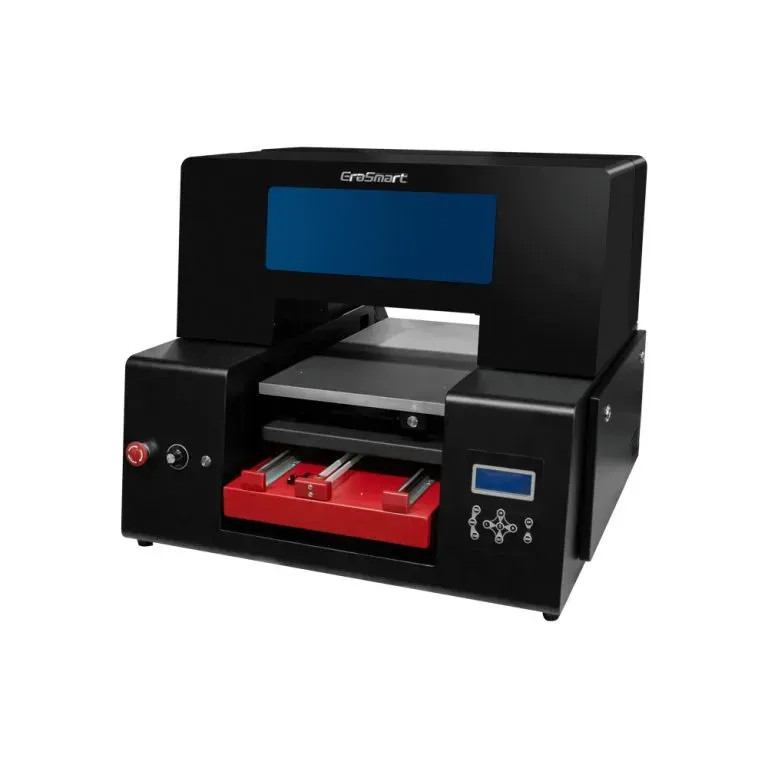
UV DTF Technology: Tips and Tricks for Mastery
In the evolving landscape of modern printing, UV DTF technology has emerged as a game-changer for achieving remarkable print quality. This method, known as UV Direct to Film printing, leverages UV inks that are cured using ultraviolet light, providing vibrant and detailed designs on a wide range of substrates. With its superior adhesion properties, UV DTF technology ensures that prints not only look stunning but also withstand the test of time, making them ideal for various applications including signage and custom apparel. In this article, we will delve into effective tips and tricks to help you master UV DTF technology, maximizing your printing capabilities. By understanding the nuances of this innovative technique, you can elevate your work to new heights and produce exceptional results.
Unveiling the potential of DTF printing technology, particularly the UV variant, opens up new avenues for creative expression in the printing industry. This cutting-edge approach, often referred to as UV Direct to Film printing, utilizes the latest advancements in UV inks that provide unmatched durability and clarity. Striking prints are not only produced with exquisite detail but are also engineered for lasting substrate adhesion, making them suitable for an array of materials. As we explore the intricacies of this revolutionary printing technique, you will gain insights into essential practices that will enhance both quality and efficiency in your projects. Embrace the power of UV DTF printing to transform your ideas into visually compelling realities.
The Advantages of UV DTF Technology in Modern Printing
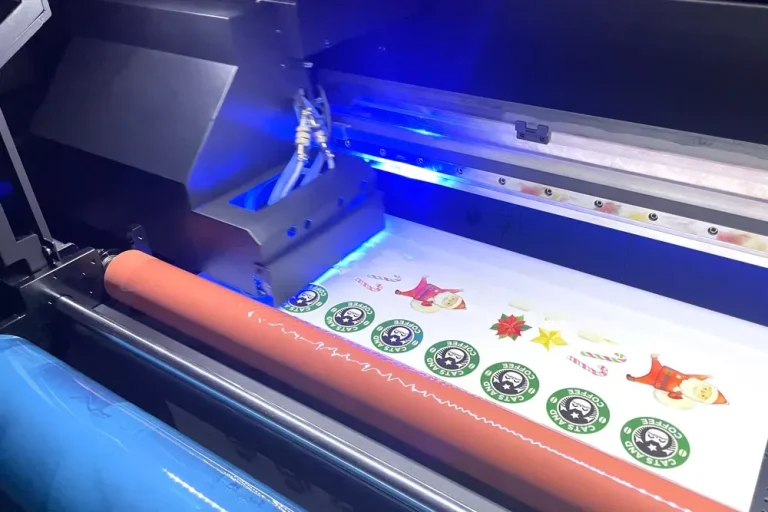
UV Direct to Film (DTF) technology has revolutionized the printing industry by offering unmatched versatility. This method not only produces vibrant graphics but also provides excellent adhesion to a wide range of substrates. The use of UV inks enables the creation of incredibly detailed and high-resolution prints, crucial for intricate designs. Moreover, UV DTF technology boasts advantages such as rapid curing times, which enhance workflow efficiency—allowing businesses to meet tight deadlines more effectively.
Another significant benefit of UV DTF printing is its durability. The UV curing process makes prints more resistant to scratches and fading, which is vital for products such as outdoor signage and apparel. In addition, this technology is environmentally friendly, as it reduces waste by minimizing ink usage and providing a clean printing method with fewer volatile organic compounds (VOCs). This combination of benefits showcases why UV DTF technology is becoming increasingly popular among printing professionals.
Choosing the Right Substrates for UV DTF Printing
Selecting the appropriate substrates is essential for maximizing the benefits of UV DTF printing. The technology is engineered to work seamlessly across various materials—ranging from textiles to plastics and even metals. Understanding the properties of each substrate will help in achieving optimal adhesion and print quality. For instance, textile materials may require specific pre-treatments to improve ink bonding, whereas smoother surfaces like aluminum can enhance the clarity and vibrancy of the print.
Before printing, it is advisable to conduct test prints on the intended substrate. This not only allows for the evaluation of adhesion but also provides insight into potential color shifts or quality issues. By experimenting with different substrate types and settings, printers can identify the best combinations for their projects. This step is crucial as it leads to improved results and customer satisfaction.
Fine-Tuning Printer Settings for UV DTF Output
Optimizing printer settings is a vital aspect of achieving high-quality outputs in UV DTF printing. Each substrate reacts differently to settings like resolution and speed, making adjustments important for every job. Higher resolution settings can be ideal for intricate designs, ensuring that fine details are captured effectively. However, these settings may slow down the printing process, necessitating a balance between speed and quality.
Additionally, altering other settings, such as the ink flow and curing times, can directly affect the final product. Too little flow can lead to inconsistent print quality, while excessive flow increases the risk of ink bleed. Understanding these nuances and regularly calibrating your equipment will ensure superior print quality, maintaining the high standards expected in the industry.
Maintaining Quality with High-Quality UV Inks
The use of high-quality UV inks is fundamental in producing exceptional prints through UV DTF technology. These inks are specifically formulated to cure effectively when exposed to ultraviolet light, resulting in rich colors and strong adhesion to various substrates. Investing in quality inks not only enhances the vibrancy of prints but also contributes to their longevity, making products more appealing to customers.
Regular monitoring of ink levels and performing scheduled maintenance will keep your printer in optimal condition. Clogged print heads can cause color inconsistencies and flagging on finished products. By keeping ink systems clean and ensuring high-quality inks are utilized, printers can avoid common pitfalls that detract from the print quality, leading to more satisfying results.
Implementing Effective Pre-Treatment Techniques
Pre-treating substrates before UV DTF printing is a critical step that can dramatically affect adhesion and print quality. Depending on the material, applying a specific primer or coating may be necessary to enhance ink bonding. This is particularly important for textiles or other porous substrates where standard printing might yield less than desirable results.
By investing time into pre-treatment procedures, printers can increase their productivity through improved adhesion. This results in fewer returns due to print imperfections or failures, allowing for higher customer satisfaction and repeat business. Properly pre-treated surfaces ensure the durability and vibrancy that clients expect from high-quality UV DTF prints.
Exploring Advanced Curing Techniques for Durability
Mastering UV curing techniques is essential for ensuring the longevity of prints produced through UV DTF technology. Proper curing prevents issues such as smudging, fading, and overall deterioration over time. Adjusting the exposure time and intensity of UV light based on the substrate and ink type is critical for achieving the best results.
Inadequate curing can lead to a range of problems, including poor adhesion and compromised color vibrance. By experimenting with different curing techniques and settings, printers can find the optimal balance that ensures the durability of their products while maintaining high-quality impressions that meet customer expectations.
Frequently Asked Questions
What is UV DTF technology and how does it enhance print quality?
UV Direct to Film (DTF) technology is an innovative printing technique that uses ultraviolet (UV) light to cure inks directly onto a film before transferring them to various substrates. This process results in vibrant colors and sharp details, enhancing overall print quality. The UV curing ensures that prints are durable, scratch-resistant, and adhere effectively to diverse materials such as textiles, wood, plastics, and metals.
How does substrate choice impact the performance of UV DTF printing?
Choosing the right substrate is crucial for achieving the best results with UV DTF technology. Different materials have distinct characteristics that affect print quality and adhesion. Conducting test prints on substrates can help in adjusting settings for optimal adhesion and clarity before the final production. Versatile compatibility with materials like textiles and plastics is one of UV DTF printing’s strengths, allowing for a wide range of applications.
What role do UV inks play in the effectiveness of UV DTF technology?
High-quality UV inks are fundamental to the effectiveness of UV DTF technology. These inks are designed to cure under UV light, ensuring vibrant prints with excellent durability and scratch resistance. Using superior UV inks can significantly improve the longevity of prints and prevent issues such as fading and smudging. Regular maintenance of ink supplies is also crucial for maintaining consistent print quality.
Are there specific pre-treatment methods recommended for UV DTF substrates?
Yes, pre-treating substrates can greatly enhance the adhesion and vibrancy of prints in UV DTF printing. Certain materials may benefit from a primer or specialized coating, which prepares the surface for better ink bonding. Proper pre-treatment can lead to more durable and visually striking results, ensuring that the prints withstand usage over time.
What are the best practices for curing prints in UV DTF technology?
Curing is a critical step in the UV DTF printing process. Ensuring adequate UV light exposure time according to the specific ink and substrate being used is essential to avoid issues like smudging and fading. It is important to monitor the curing process closely, as incorrect exposure times can negatively impact the print’s longevity and appearance.
How can regular maintenance improve the efficiency of UV DTF printing equipment?
Regular maintenance of your UV DTF printing equipment is vital for achieving high-quality outputs consistently. By cleaning components like print heads and transport mechanisms, you can prevent clogs and ensure smooth operation. Scheduling routine maintenance helps extend the life of the printer, maintain print quality, and reduce downtime caused by breakdowns.
| Key Points | Summary |
|---|---|
| Understanding UV DTF Technology | UV DTF involves curing inks on films with UV light for vibrant prints. |
| Know Your Substrates | Test print on different surfaces to ensure quality and adhesion. |
| Optimal Printer Settings | Adjust resolution and speed settings for the best quality prints. |
| Use High-Quality Inks | High-quality inks prevent clogs and ensure vibrant colors. |
| Pre-Treatment Matters | Pre-treat surfaces to improve print adhesion and durability. |
| Master Curing Techniques | Proper UV light exposure is crucial for print longevity. |
| Post-Processing Enhancements | Applying coatings can enhance durability and visual appeal. |
| Regular Maintenance of Equipment | Routine cleaning keeps equipment functioning optimally. |
| Stay Updated and Keep Learning | Continuously advancing skills is vital in the evolving UV DTF industry. |
Summary
UV DTF technology offers unparalleled printing capabilities by curing inks directly onto films with ultraviolet light. To truly master this innovative printing process, it’s crucial to understand your materials, optimize your printer’s settings, and utilize quality inks. Pre-treatment of surfaces, effective curing techniques, and post-processing enhancements also play significant roles in achieving vibrant, long-lasting prints. Regular maintenance of your equipment coupled with a dedication to continuing education will keep your skills sharp and ensure you remain competitive in this rapidly evolving field. By following these essential tips, you can create stunning printed products that meet and exceed client expectations.