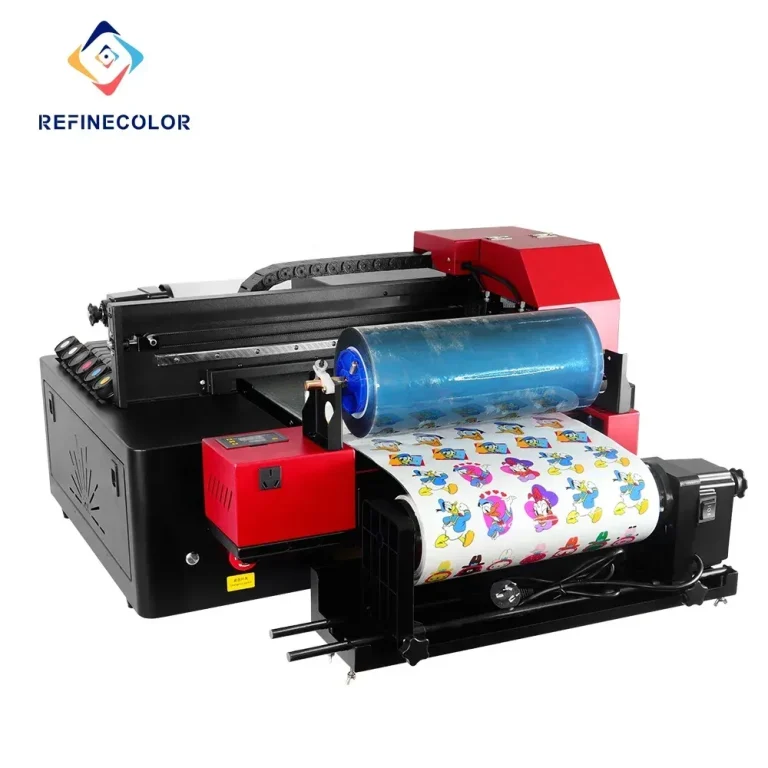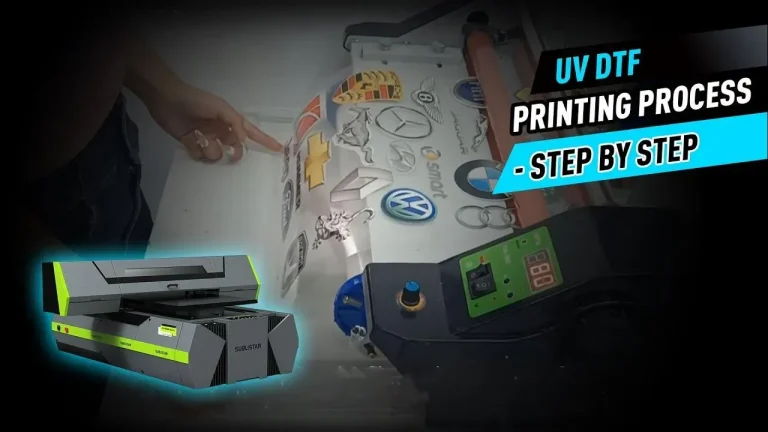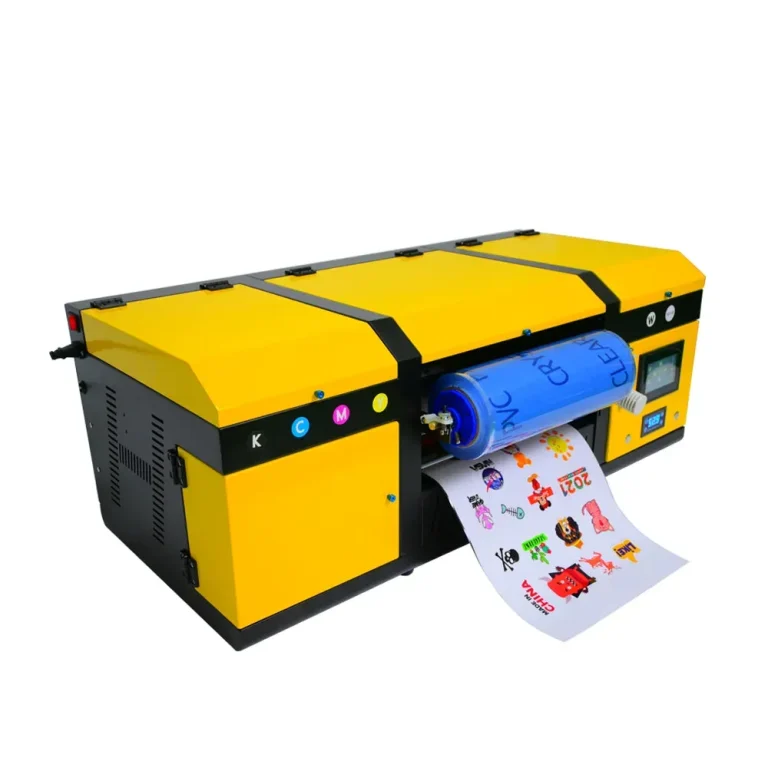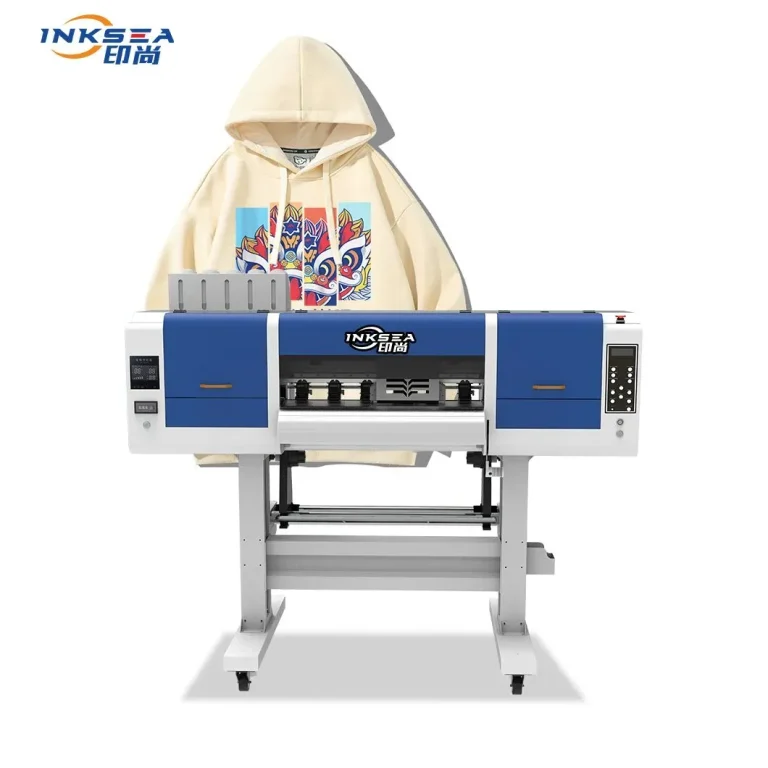
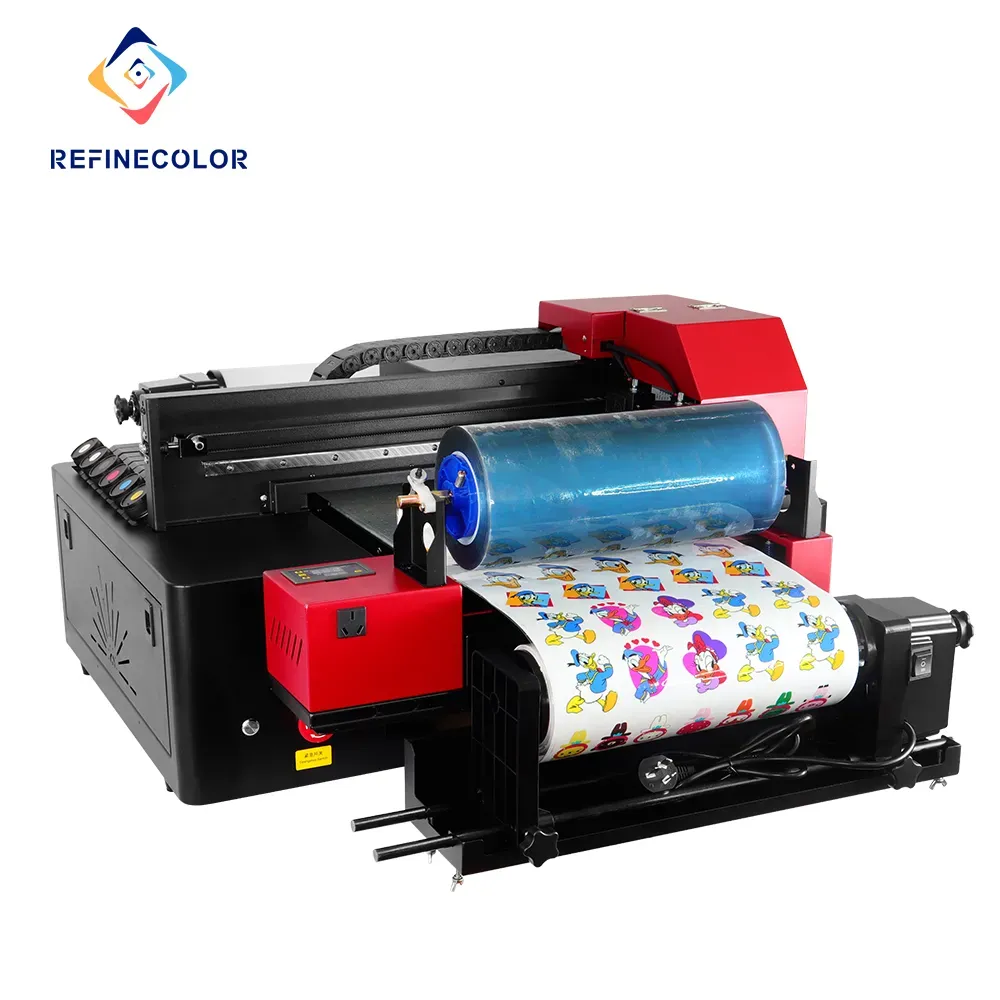
UV DTF: The Insights on Modern Printing Technology
UV DTF, or Ultraviolet Direct to Film printing, is revolutionizing the printing landscape with its blend of cutting-edge technology and vibrant output. This innovative UV DTF printing method employs ultraviolet light to cure inks instantly onto a special film, allowing for seamless transfers onto a variety of substrates such as textiles, metals, and plastics. As industries increasingly recognize the advantages of UV DTF, from its rapid curing times to its exceptional durability, this printing technique is becoming a go-to choice for quality-conscious businesses. Additionally, the environmental impact of UV DTF is favorable, as it produces fewer waste materials and emits lower levels of volatile organic compounds compared to conventional printing methods. In this engaging exploration of UV DTF technology, we will delve into its numerous benefits and applications that make it an essential component in modern printing practices.
Ultraviolet Direct to Film printing, often referred to as UV DTF, is an emerging technology that is altering traditional printing methods. This process utilizes ultraviolet light to cure inks quickly, ensuring high-quality prints that adhere well to diverse materials including fabrics and hard surfaces. Many businesses are exploring this technique due to its versatility and resilience, which offer distinct advantages over legacy methods like screen printing. The adoption of UV printing methods not only enhances print quality but also addresses modern environmental concerns, showcasing a commitment to sustainability. As we unpack the essentials of UV DTF, readers will discover the transformative potential it holds for various printing applications.
Exploring the Basics of UV DTF Technology
UV DTF, or Ultraviolet Direct to Film printing, represents a significant advancement in the realm of printing technology. This technique uses ultraviolet light to cure specialized inks directly onto a film, which can then be transferred onto various substrates. The main innovation here is the speed and efficiency with which the inks cure, creating vibrant images that maintain their quality over time. This process is particularly advantageous for textile printing, as it allows for high-resolution images without the bleed common in many traditional printing methods.
What sets UV DTF apart from other printing technologies is its versatility. While many printing methods are limited to specific types of materials, UV DTF can be utilized on a plethora of surfaces, from canvas and wood to metal or plastic. This adaptability makes it a preferred choice for a wide range of applications, including custom apparel, promotional items, and even industrial applications, showcasing its broad market appeal.
Understanding the Printing Process of UV DTF
The UV DTF printing process consists of distinct yet interconnected stages, each crucial for producing high-quality prints. It begins with preparing the artwork, where graphic design software is used to create stunning visuals optimized for the medium. Ensuring that these images are of high resolution is essential since even minor imperfections can detract from the final product. Once the design is finalized, it’s printed onto a specialized film using UV inks, which are known for their excellent color vibrancy.
After printing, the UV light rapidly cures the inks, effectively locking in the color and preventing fading or smudging. This curing step is unique to UV DTF technology and significantly enhances the durability of the print. Once cured, the film is ready for transfer onto the intended substrate using a heat press. This method ensures a strong bond, resulting in prints that can withstand wear and tear, making UV DTF an excellent option for products that require longevity and resilience.
Benefits of UV DTF Printing: Why Choose This Technology?
The advantages of UV DTF printing are manifold and position it as a frontrunner in the printing industry. One key benefit is the durability of UV DTF prints, which resist fading, scratching, and other types of damage significantly more than those produced by traditional methods. This makes it ideal for high-use items, such as apparel and promotional products that need to maintain their appearance over time.
Additionally, the rapid curing time associated with UV DTF technology allows businesses to handle or ship products almost immediately after printing. This efficiency not only streamlines production workflows but also enhances customer satisfaction as clients receive their orders faster. Furthermore, the ability to print on various substrates, including textiles, plastic, and metal, vastly increases the potential applications of UV DTF technology, catering to diverse market needs.
Emerging Trends in UV DTF Technology
As the printing industry evolves, UV DTF technology continues to gain traction, driven by increasing demand for high-quality, customized products. Businesses in sectors like fashion and promotional merchandise are taking advantage of this technology, recognizing the benefits of producing vibrant, durable prints quickly and efficiently. This growth has led to a swift adoption of UV DTF printing across many sectors, transforming how companies approach custom printing projects.
The future of UV DTF also reflects ongoing technological innovations. Recent developments focus on improving printer capabilities, such as multi-layer printing and enhanced software integration. These advancements not only enhance print quality but also support better workflow management, making the printing process smoother and more efficient. As manufacturers introduce these groundbreaking upgrades, businesses can expect to push the boundaries of creativity in print design.
Environmental Impact of UV DTF Printing
Eco-friendliness is becoming a key consideration for businesses across industries, and UV DTF printing offers significant environmental benefits compared to traditional printing methods. The process employs significantly fewer solvents, leading to reduced waste and a lesser environmental footprint. Furthermore, the UV inks used in this technology emit lower levels of volatile organic compounds (VOCs), making them a safer option for both operators and the surroundings.
By prioritizing sustainable practices, businesses can not only comply with increasingly stringent environmental regulations but also appeal to eco-conscious consumers. The shift towards more sustainable printing processes, like UV DTF, demonstrates a commitment to reducing environmental impact while delivering high-quality products. This makes UV DTF not just a choice for durability and versatility but also a responsible choice for a greener future.
Navigating Challenges in UV DTF Adoption
While UV DTF offers numerous advantages, there are challenges that businesses must navigate to successfully integrate this technology. The initial investment can be significant, as companies must acquire specialized equipment that may not be readily available. This setup cost can be a significant barrier for smaller businesses looking to adopt this innovative printing method, which may deter some from making the leap.
Equally important is the need for skilled operators trained to maximize the potential of UV DTF technology. Proper training ensures that the printing process runs smoothly, producing high-quality results while minimizing waste. Without knowledgeable staff, businesses may struggle with quality control, which could negate some of the benefits that UV DTF technology offers. Addressing these challenges is essential for those looking to thrive in a competitive market.
Frequently Asked Questions
What is UV DTF printing and how does it work?
UV DTF printing, or Ultraviolet Direct to Film printing, is a modern printing technology that uses ultraviolet light to cure inks directly onto a film before transferring the print to various materials. This method enhances print quality and durability while allowing for immediate handling after printing.
What are the advantages of UV DTF technology compared to traditional methods?
The advantages of UV DTF technology include exceptional durability, as prints resist fading and scratching better than traditional methods. Additionally, UV DTF can print on diverse substrates, from textiles to metal, and offers a quick turnaround due to its rapid curing process, making it highly efficient.
How does the curing process work in UV DTF printing?
In UV DTF printing, the curing process involves exposing the printed film to ultraviolet light. This instant curing solidifies the ink, ensuring vibrant colors and a strong bond when transferred to the final substrate, thus enhancing the print’s durability.
What environmental benefits does UV DTF printing offer?
UV DTF printing is environmentally friendly as it uses significantly less solvent than traditional printing methods, resulting in reduced waste. Moreover, UV inks emit fewer volatile organic compounds (VOCs), making this technology safer for both operators and the environment.
Can UV DTF printing be used on all types of materials?
Yes, one of the standout features of UV DTF printing is its versatility. It can be used on a variety of substrates including fabrics, plastics, metals, and even wood, making it suitable for numerous applications across different industries such as apparel and promotional products.
What are some recent developments in UV DTF technology?
Recent developments in UV DTF technology include advanced printers capable of multi-layer printing and improved design software integration. These innovations are enhancing print quality and speed, affirming UV DTF as a competitive alternative in the printing landscape.
| Key Point | Description |
|---|---|
| Overview of UV DTF Technology | A revolutionary printing method using UV light to cure inks on film before applying to various substrates. |
| The Printing Process | Involves artwork preparation, film transfer, curing with UV light, and transferring to the final substrate. |
| Advantages of UV DTF | Durable, versatile across substrates, and offers immediate use due to quick curing. |
| Market Trends | Growing adoption in various industries, with ongoing technological innovations improving quality and speed. |
| Environmental Considerations | Less solvent use and lower VOC emissions than traditional printing, making it more eco-friendly. |
| Challenges Ahead | High initial setup costs and the need for specialized training for operators. |
| Recent Developments | Enhanced printers with multi-layer printing capabilities and better software integration are emerging. |
Summary
UV DTF printing is changing the landscape of printing technology with its unique capabilities that enhance print quality and environmental sustainability. This method, which employs ultraviolet light to cure inks directly onto a film, offers durability and versatility across multiple substrates. As businesses look for efficient and effective printing solutions, UV DTF stands out as a superior choice. Its ability to produce quick, vibrant prints makes it especially attractive in fast-paced industries. Furthermore, the technology’s reduced environmental impact aligns with modern consumer preferences for sustainable practices. In summary, adopting UV DTF technology not only allows companies to keep up with industry trends but also to lead in providing high-quality and eco-friendly print solutions.