
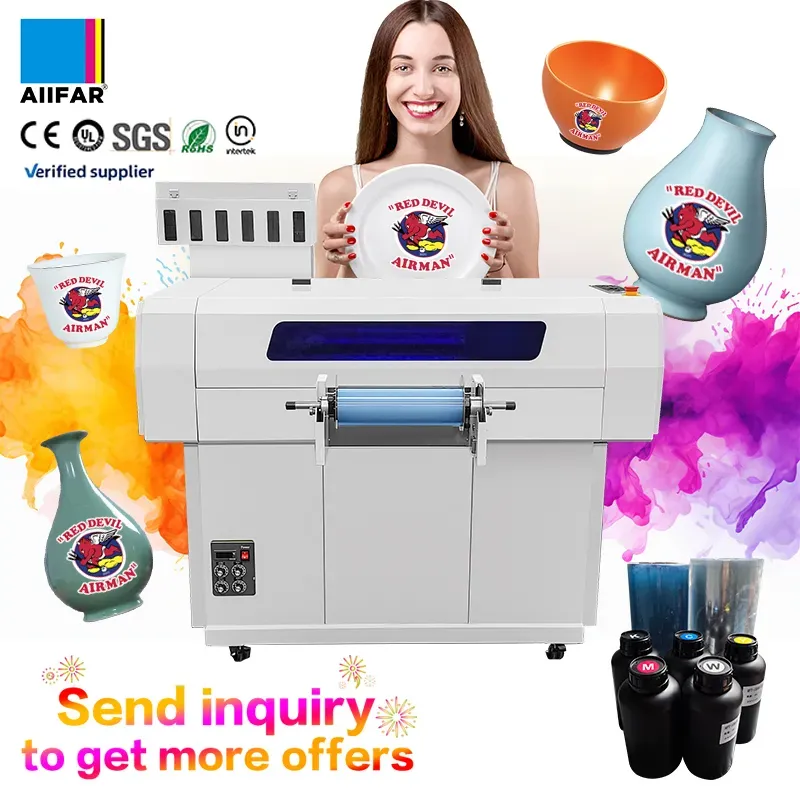
Eco-friendly UV DTF printing is revolutionizing the world of sustainable printing by combining cutting-edge technology with environmentally conscious practices. This innovative approach utilizes ultraviolet light to quickly cure inks, resulting in an efficient and low waste printing process. As industries pivot towards greener alternatives, UV DTF printing stands out for its significant energy efficiency, greatly reducing the carbon footprint associated with traditional printing methods. By using sustainable inks that minimize volatile organic compounds (VOCs), it addresses the demand for healthier printing solutions. In this blog post, we delve into the eco-friendly attributes of UV DTF printing and its potential to transform the landscape of green printing solutions.
UV Direct-to-Film (DTF) printing is setting a new standard in modern printing techniques, offering a sustainable alternative that champions both efficiency and eco-friendliness. Often referred to as digital UV printing technology, this method employs ultraviolet light to instantly dry inks, thereby slashing energy consumption and significantly cutting down on waste. The use of sustainable materials in this process highlights its commitment to low waste printing, ensuring that excess materials are minimized. With an increasing focus on energy efficient printing practices and the use of environmentally safe inks, the industry is embracing these green printing solutions as a practical path forward. In this exploration, we will uncover the myriad benefits associated with this innovative approach to printing.
Understanding UV DTF Printing: A Sustainable Breakthrough
UV Direct-to-Film (DTF) printing represents a significant leap forward in the printing industry, embracing innovative techniques that prioritize sustainability. Unlike traditional methods that rely on solvent-based inks and lengthy drying processes, UV DTF printing utilizes ultraviolet light to cure inks instantly. This advancement not only elevates the quality and vibrancy of prints but also dramatically reduces the energy consumption associated with the printing process. By improving energy efficiency, UV DTF printing presents a model of how modern printing can align with global sustainability goals.
Moreover, as the demand for eco-friendly solutions in printing grows, UV DTF technology positions itself as a frontrunner due to its environmentally responsible practices. Its ability to print on-demand means that materials are used judiciously, preventing excess waste—a common pitfall in traditional printing processes. The integration of sustainable practices in UV DTF printing highlights its role as a game-changer in the transition towards low waste printing, proving that advanced technology can lead to a greener planet.
Energy Efficiency in Modern Printing Techniques
Energy efficiency is a crucial consideration in today’s environmentally-conscious landscape, and UV DTF printing excels in this regard. Conventional printing methods often involve substantial energy use, from heating equipment to prolonged drying periods. In contrast, UV DTF printing’s immediate ink curing process significantly reduces the energy required, with studies showing potential savings of up to 60%. This remarkable efficiency provides a compelling case for businesses seeking to minimize their carbon footprint while still delivering high-quality printed materials.
As industries continue to seek more sustainable practices, implementing energy-efficient printing solutions can lead to long-term cost savings. By investing in technologies like UV DTF printing, companies not only enhance their operational efficiency but also align their branding with the growing consumer demand for eco-friendly products. In adopting this innovative printing solution, businesses can showcase their commitment to environmental responsibility and attract customers who prioritize sustainability in their purchasing decisions.
Reducing Waste Through Innovative On-Demand Printing
Waste generation is a critical issue in the printing industry, with many traditional methods contributing to significant material waste and environmental degradation. UV DTF printing addresses this challenge by employing an on-demand printing system, which allows for precise production of only what is needed. By eliminating the cycle of overproduction and reprints, UV DTF significantly diminishes waste generation, offering a cleaner, more efficient approach to printing.
This waste reduction is further complemented by the technology’s ability to recycle unused inks and films. As manufacturers innovate, many UV DTF printers are now designed with features that facilitate material reuse, encouraging a circular economy within the industry. This shift toward low waste printing is essential not only in reducing landfill contributions but also in promoting sustainable practices that resonate with environmentally conscious consumers.
The Importance of Sustainable Inks in Eco-Friendly Printing
The choice of inks used in printing processes plays a pivotal role in environmental sustainability, and the DTF printing industry is making strides in this area. Many manufacturers are shifting their focus toward developing sustainable inks that contain lower levels of volatile organic compounds (VOCs). These inks not only minimize harmful emissions but also ensure a safer working environment for operators, aligning with stringent environmental standards.
As demand for greener printing solutions continues to rise, the trend toward using sustainable inks in UV DTF printing is likely to grow. This commitment to environmental responsibility ensures that the impact of printed products is minimized throughout their lifecycle. Consumers can feel confident that when they opt for UV DTF printing, they are choosing a solution that prioritizes both quality and an eco-friendly approach to materials.
How Technology Drives Sustainable Innovations in Printing
Technological advancements are at the heart of the shift towards sustainable printing practices, particularly in the realm of UV DTF printing. Innovations, such as the development of multifunctional printers suitable for home use, are making sustainable printing solutions more accessible to a broader audience. Modern printers, like the eufyMake UV Printer E1, illustrate how technology can democratize high-quality printing and integrate eco-friendly practices effectively.
This accessibility empowers individuals and small businesses to engage in sustainable printing without sacrificing quality. As companies continue to innovate, the adoption of environmentally focused technologies ensures that sustainability remains a priority within the printing industry. By embracing these advancements, consumers can actively participate in reducing their environmental impact while achieving impressive, professional-grade results.
Building Consumer Awareness Around Eco-Friendly Printing Practices
Consumer awareness plays a crucial role in driving the shift towards sustainable practices in the printing industry. As customers become increasingly informed about their environmental footprint, they seek brands that align with their values and prioritize eco-friendly solutions. By understanding the benefits of UV DTF printing, individuals can make informed choices that not only enhance their products but also contribute positively to sustainability efforts.
Educational initiatives that highlight the ecological benefits of UV DTF printing, including its energy efficiency and low waste generation, can help foster a culture of conscious consumerism. As more individuals choose to support brands that prioritize sustainable practices, businesses will be incentivized to invest in technologies that align with these values, ultimately leading to a more environmentally responsible printing landscape.
Frequently Asked Questions
What makes eco-friendly UV DTF printing a sustainable printing option?
Eco-friendly UV DTF printing is a sustainable printing option because it significantly reduces waste and energy consumption. The printing process only prints as needed, minimizing excess materials and waste, while the UV curing technology facilitates immediate ink drying, saving up to 60% more energy than traditional methods.
How does UV printing technology contribute to low waste printing practices?
UV printing technology contributes to low waste printing practices by using an on-demand printing model. This means that prints are produced as required, which limits the number of surplus prints and minimizes leftover materials, resulting in less waste going to landfills.
Are the inks used in eco-friendly UV DTF printing considered sustainable?
Yes, the inks used in eco-friendly UV DTF printing are often considered sustainable because many manufacturers are transitioning to low-VOC inks. These inks not only comply with environmental standards but also contribute to a healthier workplace by reducing harmful emissions during the printing process.
What are the energy efficiency benefits of UV DTF printing compared to traditional printing methods?
UV DTF printing offers considerable energy efficiency benefits, primarily because it cures inks instantly using UV light. This process eliminates long drying times common in traditional printing, ultimately saving up to 60% of the energy typically consumed.
How does choosing green printing solutions like UV DTF printing help businesses?
Choosing green printing solutions like UV DTF printing helps businesses by aligning their operations with sustainable practices, reducing environmental footprints, and appealing to eco-conscious consumers. It shows a commitment to sustainability, which can enhance brand reputation and customer loyalty.
What innovation has made UV DTF printing more accessible for eco-friendly printing?
Innovation in UV DTF printing, such as the introduction of multifunctional devices like the eufyMake UV Printer E1, has made eco-friendly printing more accessible. These devices cater to both personal and professional users by offering high-quality printing with reduced waste and energy consumption.
| Aspect | Details |
|---|---|
| Energy Efficiency | UV DTF printing cures inks instantly using UV light, saving up to 60% energy compared to traditional methods. |
| Reduced Waste Generation | On-demand printing system minimizes excess materials, reducing the ecological footprint and allowing for recycling of unused materials. |
| Sustainable Inks | Inks are being developed with lower VOCs, complying with environmental standards and promoting safer working conditions. |
| Role of Innovation | Technological advances make UV DTF printing accessible to consumers, integrating sustainable practices into multifunctional devices. |
| Consumer Awareness and Responsibility | Informed consumers can choose brands that prioritize sustainability, encouraging companies to adopt eco-friendly technologies. |
Summary
Eco-friendly UV DTF printing represents a significant advancement in the printing industry, showcasing sustainable practices that address energy consumption, waste reduction, and the use of environmentally-friendly inks. This modern printing technology enhances efficiency through instant ink curing with UV light, drastically minimizes the amount of material wasted by adopting on-demand printing strategies, and promotes the development of inks that lower harmful emissions. With an increasing awareness among consumers regarding their environmental impact, UV DTF printing not only serves their aesthetic needs but aligns with their values for a greener future. As innovation continues to shape this field, we can expect more accessible, eco-friendly printing solutions to emerge, making a positive contribution towards a healthier planet.