
The landscape of custom apparel has shifted dramatically, moving away from labor-intensive traditional methods toward the lean, high-fidelity world of dtf printing. For creative entrepreneurs and print shop owners, the question is no longer whether to adopt this technology, but how to deploy it with such precision that your brand becomes synonymous with quality. If your goal is to transition from basic customization to premium-market retail, you need to treat your production line as a laboratory, not just a workshop.
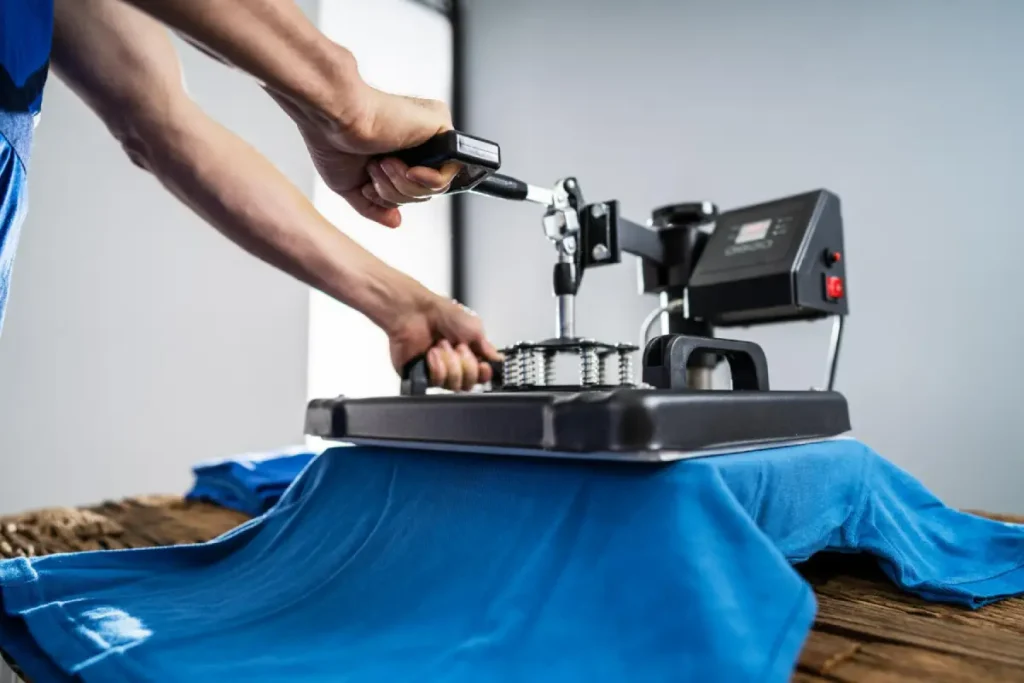
Successful decoration is a blend of chemistry and mechanics. Using professional dtf transfers gives you the freedom to explore intricate designs and color gradients that were once the exclusive domain of mass-market manufacturers. However, the true “secret sauce” behind a print that feels like part of the fabric—rather than a stiff layer sitting on top—lies in the synergy between your adhesive curing and your heat press application. This is where Harwin helps you refine your process, ensuring that your output is not just a graphic, but a durable, wearable asset.
Beyond the Press: The Science of Longevity
One of the most persistent myths in this industry is that the printer does all the work. In reality, the most critical phase happens after the press is lifted. The “cooling period” is where the molecular bond between the ink and the textile fiber truly solidifies. Many operators make the mistake of rushing to peel the film; this impatience is the leading cause of micro-cracking and premature peeling. By building a disciplined workflow that respects the cooling stage, you drastically improve your wash-test metrics.
We suggest performing “destructive testing” on your own inventory. By subjecting a sample to a high-heat, heavy-agitation laundry cycle, you gain empirical proof of your production quality. This isn’t just about preventing customer complaints—it’s about building the confidence to market your apparel as a premium product. When your brand can offer a documented guarantee of washability, you shift the conversation from “price per shirt” to “value per garment,” allowing you to command better margins.
Solving the Supply Chain Bottleneck
If your business is currently held back by shipping delays, it is time to rethink your procurement. Searching for dtf transfers near me is the most practical step toward building a “just-in-time” production model. By leveraging a high-quality regional printing partner, you eliminate the overhead of warehouse inventory and gain the flexibility to pivot your designs based on weekly sales data. This agility is the biggest advantage a modern apparel brand has over legacy competitors.
Furthermore, a strong relationship with a local provider turns your supplier into a technical consultant. Whether you are dealing with moisture-wicking synthetic jerseys or heavyweight organic cotton, your supplier can provide specific guidance on adhesive compatibility. Treat your provider as a strategic partner; when your local shop succeeds in delivering a perfect batch of transfers, your own brand’s reputation for quality is the ultimate winner. Harwin encourages this collaborative spirit as a primary driver for regional business growth.
Refining Your Workflow for Scale
As you scale, manual processes become points of failure. The goal is to move from “bespoke craft” to “scalable system.” This means creating a digital library of your press settings and ensuring every team member is aligned on the SOP (Standard Operating Procedure). If your brand is growing, you should be documenting the specific dwell times, temperatures, and pressure levels for every textile in your catalog. By turning your technical expertise into a shared company asset, you remove the reliance on any one individual’s “gut feeling,” ensuring your quality stays elite even as your volume explodes.
Frequently Asked Questions
Why does DTF provide a better finish than screen printing for small runs?
Screen printing requires massive upfront costs in film, chemicals, and physical screens for every color, making it inefficient for orders under 50+ units. dtf is a digital, setup-free process, meaning you get high-resolution, full-color prints on a per-piece basis without the overhead.
How do I identify a high-quality transfer supplier?
When searching for dtf transfers near me, look for shops that use automated, industrial-grade curing ovens. Ask for samples and test them by pulling the graphic—a high-quality print should have a slight, natural elasticity that doesn’t “snap” or fracture when stretched.
Is this method actually suitable for performance athletic apparel?
Yes, but with a caveat. Athletic gear is often heat-sensitive and made from polyester blends. You must use specialized, lower-temperature adhesive powders and calibrated heat-press settings to ensure the transfer adheres without melting the synthetic fibers of the garment.
What is the most common cause of “sticky” or heavy prints?
Heavy or “plasticky” prints are almost exclusively caused by over-powdering or incomplete curing. If the adhesive powder is applied too thickly or not melted correctly in the curing oven, it creates an excess layer of plastic. A fine-mesh powder applied with precision is the key to that soft, retail-ready hand-feel.
The journey to scaling an apparel brand is paved with technical refinement and strategic sourcing. By leveraging the power of dtf, you are already equipped with the industry’s most versatile tool. Harwin is here to help you turn that technology into a repeatable, high-profit business model. Start by auditing your current workflow today—small, disciplined changes in how you press and cure will lead to massive improvements in your brand’s longevity and customer satisfaction.