
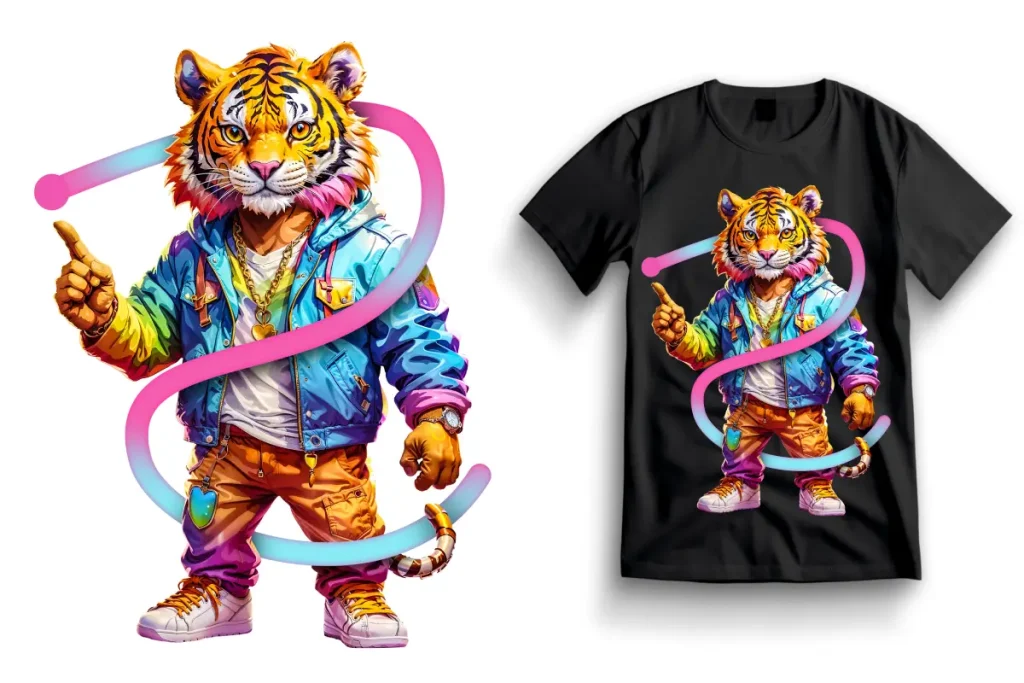
Running a successful apparel decoration business often feels like a constant battle against tight deadlines, unpredictable inventory costs, and the strict technical limits of traditional machinery. For years, creators had to compromise between screen printing setups that required massive minimum orders or direct-to-garment machines that only worked on specific cotton fabrics. This frustrating bottleneck has cleared completely with the global rise of premium dtf transfers, a digital heat-applied printing framework that moves intricate, unlimited color graphics directly onto almost any fabric substrate. By shifting the complex ink production off the garment and onto a specialized carrier sheet, this technology allows independent clothing labels and commercial production facilities to scale their output with zero setup friction.
Behind the Chemistry: How Premium Custom Heat Emblems Are Built
To successfully integrate this digital system into a daily commercial manufacturing framework, it helps to analyze the multi-layered science behind a high-performing DTF print. Direct-to-Film technology is not just about spraying ink onto a plastic sheet; it is a carefully balanced chemical ecosystem designed to ensure maximum color density, clean edge definition, and absolute structural flexibility when fused to a garment.
The entire creation process takes place on a clear, specialized polyethylene carrier sheet treated with a microscopic chemical release agent. Industrial digital printers, calibrated with specialized precision printheads, first apply thin coats of water-based color pigments. These specialized inks capture fine vector lines, intricate patterns, and detailed color gradients with photographic clarity. Instantly following the initial color pass, the machine applies a thick, solid layer of white ink right over the graphic area. This white layer acts as an essential opacity shield, ensuring that colors stay exceptionally vibrant and true when pressed onto dark fabrics.
The definitive structural strength of the design is locked in during the final chemical curing step. While the white backing ink matrix remains wet, a unique thermoplastic polyurethane hot-melt adhesive powder is distributed uniformly across the entire film surface. The sheet then travels automatically through a calibrated thermal curing tunnel or heating oven. This step melts the dry powder down into a continuous, highly flexible membrane that chemically fuses with the underlying ink layers. The resulting transfer remains completely stable, durable, and ready to press until reactivated by the intense thermal energy and uniform mechanical compression of a heat press machine on your production floor.
Overcoming Substrate Boundaries in Custom Merchandising
For decades, print shops had to make tough compromises based on fabric composition. Direct-to-garment machines offered beautiful full-color results but restricted creators almost entirely to 100 percent natural cotton fibers, requiring messy liquid pretreatments that frequently left permanent staining halos or stiff residues on dark fabrics. On the flip side, traditional vinyl cutting was far too labor-intensive for complex multi-colored logos and often felt rigid against the skin.
Integrating professional-grade dtf transfers eliminates these historical bottlenecks completely. Because the heat-activated backing powder melts directly into the microscopic gaps of the target material under pressure, the process adapts easily to almost any textile. Print shops can apply the exact same printed film to an organic cotton t-shirt, a heavy polyester athletic jersey, a rugged canvas tote bag, raw denim jackets, or a lightweight nylon windbreaker. The cured polyurethane membrane flexes naturally alongside flexible activewear fabrics, completely preventing the premature cracking, flaking, or edge lifting common in lower-tier media.
The Financial Blueprint: Maximizing Cash Flow with Gang Sheets
One of the most significant advantages of shifting to a DTF production model is the dramatic optimization of your business cash flow and warehouse inventory overhead. Traditional printing methods force you to purchase blank apparel in bulk, print the entire run upfront, and hope the inventory sells. If a particular size or color design underperforms, your capital remains permanently tied up in dead stock sitting on a warehouse shelf.
With advanced digital films, you can fundamentally decouple your print production from garment sourcing. By arranging your graphics tightly together on a continuous roll of film, known in the industry as a gang sheet, you maximize every square inch of printable space and drive individual unit costs down to a tiny fraction of traditional customization methods. These cured rolls can be stored safely in your shop for up to a full year without losing any color depth or adhesive strength. This print-on-demand flexibility allows you to keep an extensive catalog of designs ready to deploy, pressing them onto blank garments only after an end-consumer order is officially locked in and paid for.
Regional Sourcing and the Power of Local Print Logistics
In a commercial marketplace governed by tight promotional event deadlines, seasonal retail drops, and sudden viral internet trends, relying on unpredictable international logistics can completely paralyze an emerging clothing line. Extended transit times, unexpected customs holds, and fluctuating freight fees create an unstable foundation for business growth. This logistical vulnerability explains why successful garment decorators consistently search for dependable dtf transfers near me to build an agile, geographically close supply network that guarantees rapid delivery.
Sourcing your production components from a regional supplier slashes standard shipping windows from multiple weeks down to a matter of hours. It completely eliminates the persistent headaches of global transit delays and skyrocketing express freight charges. Working with a close-by printing facility enables effortless face-to-face material evaluations, immediate physical prototyping, and the operational nimbleness needed to fulfill massive, unexpected corporate apparel orders on short notice without added logistical stress.
Standing Out in the Competitive Southern Custom Apparel Arena
The Southern custom merchandise market is famously robust, packed with high-energy school sports associations, expansive corporate uniform programs, and a rapidly expanding independent streetwear culture. Finding the absolute best dtf transfer at Houston requires looking far past cheap wholesale quotes and scrutinizing raw ink density, curing consistency, and professional machinery calibration standards.
The intense seasonal heat spikes and thick coastal humidity of the region present a harsh trial for decorated garments. Low-grade transfers built with inferior base inks or coarse, cheap powders break down rapidly under environmental stress, becoming sticky, turning brittle, or peeling away completely after minimal use. High-end transfer films utilize ultra-refined polyurethanes that allow body heat and sweat moisture to escape naturally through the print, keeping custom shirts, corporate polo tops, and heavy hoodies looking sharp, bright, and pristine through endless industrial wash cycles.
For regional print operations aiming to scale their production volumes without investing thousands of dollars in industrial hardware, routine maintenance, and climate-controlled production rooms, utilizing an expert Houston dtf transfer service provides an incredibly scalable business solution. It allows your core team to focus fully on graphic design, digital marketing campaigns, and client relationship management while outsourcing the complex printing phase to dedicated specialists. Partnering with an industry leader like Harwin DTF gives you instant access to this commercial-grade print infrastructure, ensuring your finished merchandise easily withstands grueling real-world conditions.
A Step-by-Step Production Guide for Retail-Ready Application
While the internal science behind high-density transfer film is highly advanced, applying the finished product to your garments is remarkably straightforward if your production team maintains a disciplined, consistent workflow. Follow these production steps to secure retail-ready outcomes on every press cycle:
- Calibrate Thermal Equipment: Preheat your heavy-duty commercial heat press until it reaches a stable temperature between 300°F and 320°F (150°C to 160°C). Always verify the surface temperature across the upper platen using an external infrared thermometer to identify and avoid hidden cold spots.
- Execute the Moisture Purge: Place your blank garment flat onto the lower silicone pad and clamp the heat press down firmly for 4 to 5 seconds. This essential step flattens stubborn wrinkles and expels trapped ambient moisture from deep within the textile fibers, ensuring the hot-melt adhesive powder can bond smoothly.
- Align the Graphic Film: Position your custom transfer sheet carefully over the designated placement zone on the apparel, making sure the printed ink and white adhesive side rests directly against the face of the fabric.
- Run the Primary Heat Cycle: Clamp the press down completely with medium to firm pressure for a precise duration of 12 to 15 seconds, allowing the specialized backing powder to liquefy completely and flow deep into the fabric yarn structure.
- Perform the Film Separation: Allow the decorated garment to cool down completely to room temperature if utilizing a traditional cold-peel film, or smoothly peel the plastic carrier away in one steady, continuous motion if your project uses an advanced hot-peel alternative.
- Lock in the Finishing Seal: Lay a sheet of protective silicone paper or matte parchment paper directly over the newly exposed print and close the press for a final 5 seconds. This critical final compression removes any artificial plastic sheen, leaves a high-end matte finish, and locks the outer borders of the design into the garment for maximum wash longevity.
Frequently Asked Questions
Can digital film transfers be safely applied to sublimated polyester apparel?
Yes, premium transfers work beautifully across sublimated polyester garments. However, to prevent dye migration, where active chemical dyes in the polyester fabric bleed into the white backing ink under heat, you must utilize specialized transfer films containing a carbon-infused anti-migration layer. This extra barrier physically blocks the textile dyes from rising into your design during the heat press cycle.
What is the recommended way to store unused transfer films before application?
Unpressed transfer films should always be kept completely flat inside airtight, moisture-proof plastic storage bags to shield them from environmental humidity, airborne dust, and debris. Keep your storage containers inside a climate-controlled room away from direct sunlight. Under these optimal storage conditions, professional prints will retain their full adhesive strength and color depth for up to one calendar year.
Why do some transfers split or lift around the edges after the first few wash cycles?
Premature lifting or edge cracking is almost always caused by incorrect application parameters during production. This issue typically surfaces if the heat press failed to reach its target temperature, if the manual pressure setting was adjusted too low, or if the garment retained excessive moisture prior to pressing. Using a heavy commercial-grade heat press instead of a standard domestic home iron completely eliminates these operational failures.
How breathable are these digital film prints when covering large garment areas?
Because premium transfers utilize incredibly thin, highly flexible polyurethane films rather than the thick, rubbery plastisol inks common in old-school screen printing, they maintain remarkable flexibility. For massive, full-back graphic designs, breaking up the solid artwork with distressed halftones, fine textures, or negative space elements will greatly increase the overall breathability, comfort, and drape of the finished garment.
Driving Brand Longevity with Trusted Production Partners
In a marketplace where product quality directly defines corporate reputation, choosing the right production partner is the single most critical decision a business leader can make. Subpar raw materials inevitably yield brittle prints that fade quickly, cause costly customer returns, and hurt your brand value. Selecting Harwin DTF provides your company with uncompromised print clarity, immaculate color replication, and exceptionally durable material configurations built to survive the wear and tear of daily life. By blending your creative visual concepts with our dependable commercial infrastructure, you can confidently scale your business output, hit your delivery targets, and win a commanding position in the custom apparel marketplace.